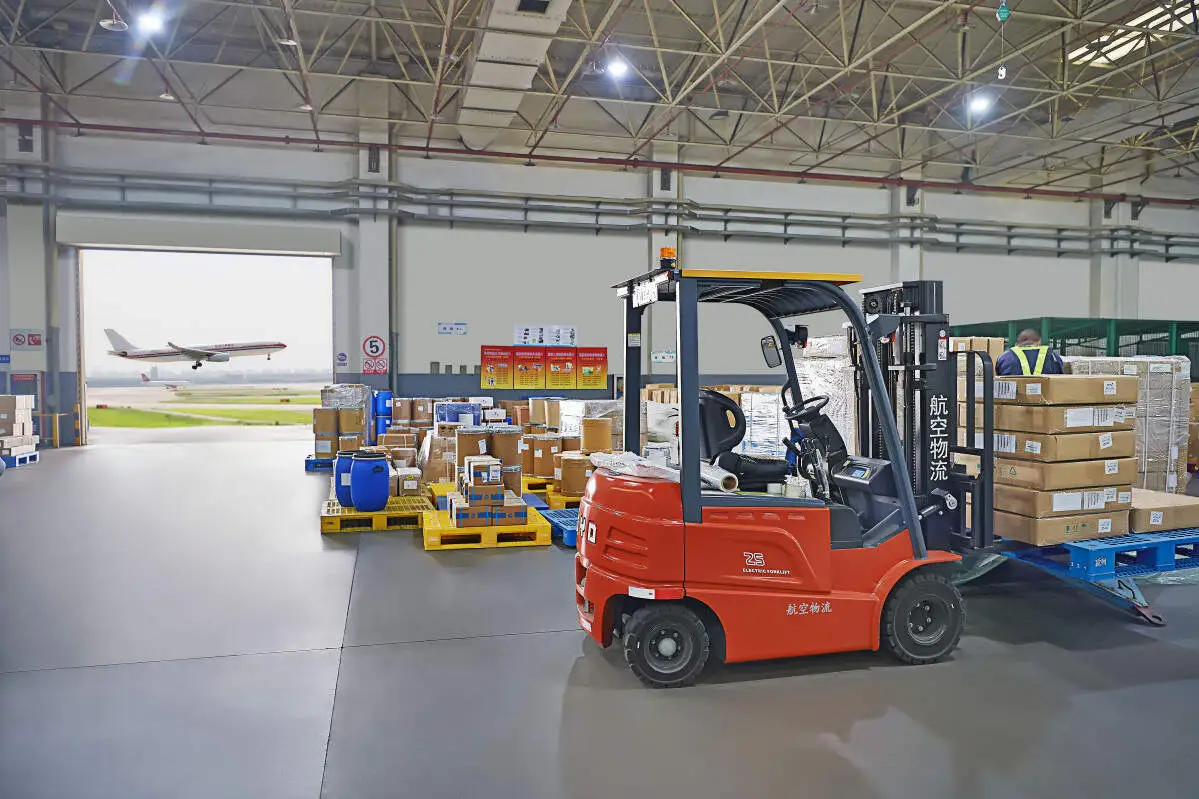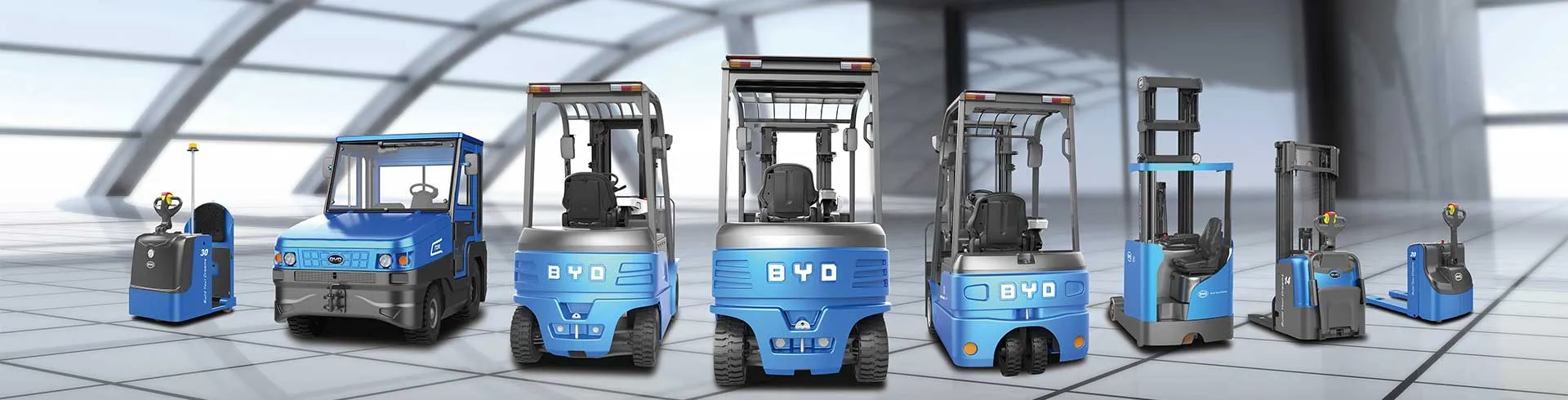
Articulated electric forklift trucks have become indispensable tools for modern warehouse operations, thanks to their exceptional maneuverability in narrow aisles and eco-friendly performance. When considering investing in these machines, understanding the main price factors is crucial for making informed decisions that align with both budget and operational requirements.
One of the primary determinants of an articulated electric forklift’s price is its battery type. Lead-acid batteries are typically more affordable upfront, but they require regular maintenance, have shorter lifespans, and longer charging times. In contrast, lithium-ion batteries come with a higher initial cost but offer longer operational life, faster charging, and lower long-term maintenance expenses. This difference in battery technology directly impacts overall pricing, as lithium-ion models provide greater efficiency for high-demand warehouse environments.
Load capacity is another key factor influencing cost. Articulated electric forklifts are designed to handle different weight ranges, from light loads under 2 tons to heavy-duty models capable of lifting over 5 tons. Forklifts with higher load capacities require stronger structural components, more powerful motors, and enhanced stability systems, all of which contribute to a higher price tag. Smaller warehouses with light pallet loads may opt for lower-capacity models to keep costs down, while large distribution centers need heavy-duty options to meet their operational demands.
Configurations and additional features also play a significant role in pricing. Basic models come with standard controls and essential safety features, while premium configurations may include advanced systems such as ergonomic operator cabins, 360-degree cameras for improved visibility, automatic parking assist, and telematics for fleet management. These features enhance operational efficiency and safety but add to the overall cost. Warehouses with complex layouts or strict safety requirements may prioritize these upgrades, even if they increase the initial investment.
The quality of manufacturing materials and construction methods further affects the price. Forklifts built with high-strength steel and durable components are more expensive but offer better durability and resistance to wear and tear in busy warehouse settings. Inferior materials may result in lower upfront costs but can lead to higher maintenance and replacement expenses over time. Investing in a well-constructed articulated electric forklift ensures reliability and reduces downtime, making it a cost-effective choice in the long run.
Finally, after-sales services and warranty coverage can influence pricing. Forklift suppliers that offer comprehensive warranties, on-site maintenance, operator training, and prompt spare parts support often price their products slightly higher. However, these services provide peace of mind and help minimize operational disruptions. For warehouses relying on continuous operations, the value of reliable after-sales support far outweighs the minor price difference.
If you are looking for a reliable articulated electric forklift for your warehouse, Jianshu New Energy specializes in BYD electric forklifts. We can provide tailored solutions to meet your specific operational needs and budget. Feel free to reach out to us at 17399989919@163.com for more information.