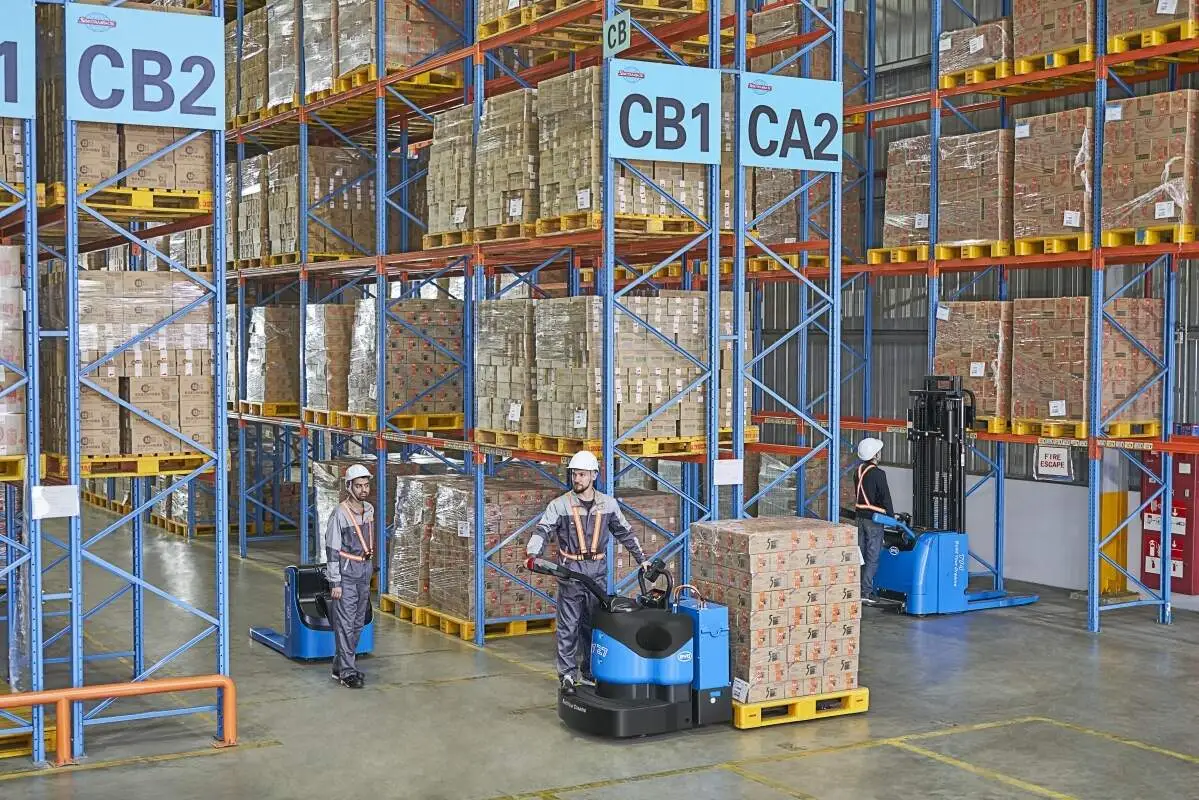
electric forklift batteries are the core of operational efficiency for material handling fleets, as their performance directly impacts uptime and overall productivity. Neglecting regular maintenance can lead to premature battery failure, increasing operational costs and disrupting workflow. A structured maintenance checklist is essential to identify minor issues before they escalate, ensuring your electric forklift batteries deliver consistent performance and reach their full service lifespan.
Daily Pre-Operational Checks
Start each shift with a visual inspection of the battery. Examine the outer casing for cracks, bulges, or signs of physical damage, which could indicate internal issues or electrolyte leaks. Next, check the electrolyte levels in each cell (for flooded lead-acid batteries); levels should sit just above the plates, but avoid overfilling as this can cause spillage during charging. Inspect battery terminals and cables for corrosion, loose connections, or fraying—corrosion can impede power flow, while loose cables may lead to intermittent power loss. Wipe away any surface dirt or debris with a damp cloth to prevent buildup that could trap moisture and accelerate corrosion.
Charging Protocol Maintenance
Proper charging is one of the most critical factors in extending battery lifespan. Always follow the recommended charging duration and voltage settings; overcharging can overheat the battery and degrade plate materials, while undercharging leads to sulfation, a common issue that reduces storage capacity. Ensure charging stations are located in a well-ventilated area to disperse hydrogen gas released during charging, reducing the risk of fire or explosion. Avoid charging a battery immediately after heavy use—allow it to cool down for 15 to 30 minutes to prevent thermal stress. Additionally, use compatible chargers designed for your battery type, as mismatched equipment can cause irreversible damage.
Weekly and Monthly Deep Inspections
Beyond daily checks, schedule weekly and monthly inspections to catch hidden issues. Once a week, use a hydrometer to test the specific gravity of the electrolyte in each cell (for flooded batteries). Consistent readings across cells indicate healthy battery performance, while significant variations may signal a failing cell that requires attention. Every month, tighten loose battery terminals using a torque wrench to the specified value, ensuring a secure electrical connection without over-tightening, which can crack terminals. Inspect the battery’s vent caps to ensure they are clean and unobstructed, as blocked vents can lead to pressure buildup inside the cells.
Storage and Off-Season Care
If an electric forklift will be out of service for an extended period, proper battery storage is vital. Before storing, fully charge the battery to prevent sulfation. Check electrolyte levels and top up with distilled water if necessary, then clean the entire battery surface and terminals to remove any corrosion or debris. Store the battery in a cool, dry area with temperatures between 50°F and 80°F (10°C and 27°C); extreme temperatures can accelerate self-discharge and degrade battery components. If storage exceeds three months, recharge the battery to full capacity every four to six weeks to maintain its health.
Environmental and Operational Best Practices
The environment in which the battery operates plays a key role in its lifespan. Keep the battery area free from dirt, oil, and other contaminants, as these can cause corrosion or short circuits. Avoid exposing the battery to direct sunlight or extreme cold for prolonged periods, as both can affect chemical reactions inside the cells. Train operators to avoid aggressive driving habits, such as sudden acceleration or frequent heavy lifting, which can put excessive strain on the battery and reduce its overall lifespan. Encourage operators to report any unusual battery behavior, such as slow charging, reduced runtime, or unusual noises, so maintenance teams can address issues promptly.
By following this comprehensive maintenance checklist, you can significantly extend the service lifespan of your electric forklift batteries, reduce unplanned downtime, and lower long-term operational costs. Regular maintenance not only preserves battery health but also ensures the safe and efficient operation of your material handling equipment. Remember, consistency is key—incorporate these checks into your daily, weekly, and monthly routines to keep your batteries performing at their best for years to come.