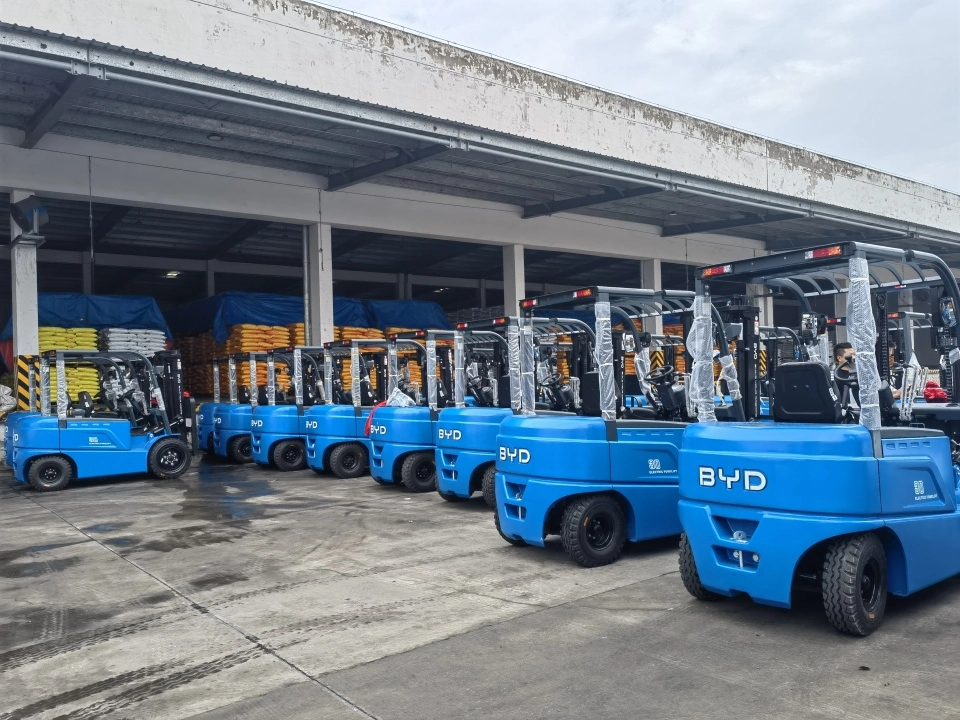
As temperatures drop, electric forklift hydraulic systems face unique challenges that can compromise performance and shorten component lifespan. Cold weather thickens hydraulic fluid, reduces lubrication efficiency, and makes rubber seals and hoses brittle, leading to leaks, slow operation, or even system failure. For operators and fleet managers, implementing targeted maintenance strategies is key to keeping electric forklifts running reliably in frigid conditions.
Select and Replace Hydraulic Fluid Appropriately
The type of hydraulic fluid used directly impacts system performance in cold climates. Standard fluids may become too viscous at low temperatures, restricting flow and forcing the system to work harder. Opt for hydraulic fluids formulated for cold weather, which maintain optimal viscosity even when temperatures plummet. It’s also crucial to follow a regular fluid replacement schedule—contaminated or degraded fluid loses its low-temperature properties over time. Before winter sets in, drain old fluid, flush the system thoroughly, and refill with the recommended cold-grade fluid. Regularly check fluid levels and inspect for signs of contamination, such as discoloration or debris, to catch issues early.
Pre-Warm the Hydraulic System Before Operation
Jumping straight into heavy lifting without pre-warming the hydraulic system can cause unnecessary stress on components. Before using the forklift, run it idle for 5 to 10 minutes to allow the hydraulic fluid to warm up and circulate. This simple step helps reduce fluid viscosity, improves lubrication, and ensures smoother operation of cylinders, valves, and pumps. For extremely cold environments, consider using auxiliary heating systems if available, but always follow manufacturer guidelines to avoid overheating.
Inspect Seals, Hoses, and Connections
Cold temperatures cause rubber seals and hoses to lose flexibility, increasing the risk of cracks, leaks, and bursts. Conduct weekly visual inspections of all hydraulic seals, hoses, and connections. Look for signs of cracking, swelling, or wear on seals, and check hoses for hardening or damage. Tighten any loose connections to prevent leaks, and replace worn or damaged components immediately. Keeping seals properly lubricated with a compatible cold-resistant lubricant can also help maintain their flexibility and extend their service life.
Keep Hydraulic Components Clean and Protected
Dirt, ice, and road salt can accumulate on hydraulic components during winter operations, leading to corrosion and contamination of the fluid. Regularly clean the exterior of the hydraulic pump, cylinders, and valves using a mild, non-corrosive cleaner. Pay special attention to connection points and filter housings, as these are common areas for debris buildup. After cleaning, apply a protective coating to metal components to prevent rust. Additionally, ensure that air filters are clean and in good condition, as dirty filters can allow contaminants to enter the hydraulic system.
Optimize Storage Conditions
When not in use, store electric forklifts in a sheltered, temperature-controlled area whenever possible. If indoor storage isn’t available, park the forklift in a wind-protected spot and cover the hydraulic system with a waterproof tarp to shield it from snow, ice, and extreme cold. Periodically start the forklift and run the hydraulic system for a few minutes even during downtime to keep the fluid circulating and prevent it from becoming stagnant.
Proper maintenance of the hydraulic system is essential for maximizing the lifespan and reliability of electric forklifts in cold climates. By following these tips, you can minimize downtime, reduce repair costs, and ensure safe, efficient operation throughout the winter months. For more professional advice or support with your electric forklift maintenance, contact Jianshu New Energy, a specialist in BYD electric forklifts. You can reach us via email at 17399989919@163.com.