When it comes to material handling in warehouses, factories, and distribution centers, choosing the right equipment is crucial for optimizing daily operations. Two widely used options in this space are manual hydraulic pallet stackers and electric pallet forklifts. Each has distinct features tailored to different operational needs, and understanding their differences can help businesses make informed decisions aligned with their goals.
Operation and Accessibility
Manual hydraulic pallet stackers rely entirely on human power for lifting and moving loads. They are lightweight, compact, and require minimal training to operate, making them a flexible choice for small, confined spaces or occasional use where load demands are relatively low. However, manual operation can lead to physical fatigue for workers, especially when handling heavier loads or working through extended shifts.
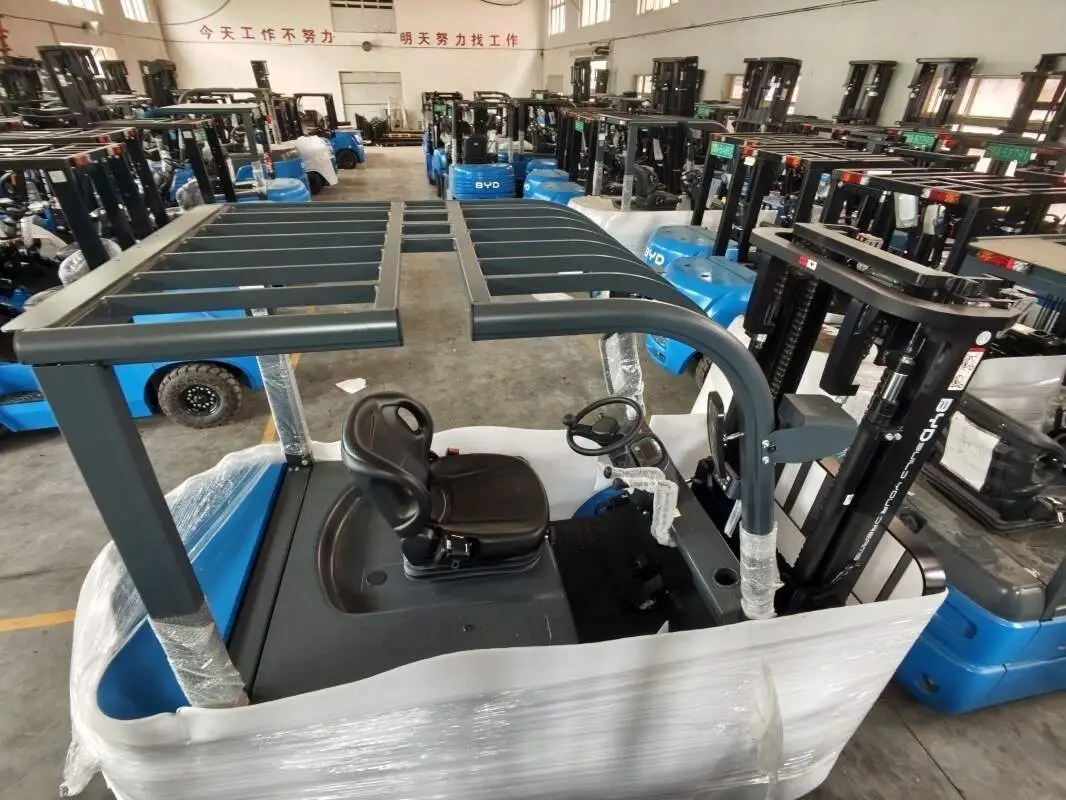
In contrast, electric pallet forklifts are powered by rechargeable batteries. They feature intuitive, easy-to-use controls that reduce physical exertion, allowing operators to handle heavier loads with consistent effort. While basic safety training is recommended for operation, their automated functions enhance accessibility for most workers, reducing the risk of strain-related downtime.
Performance and Efficiency
Manual hydraulic stackers have a limited lifting capacity, typically ranging from 1 to 3 tons, and their maximum lifting height is often restricted to around 2-3 meters. Their movement speed depends entirely on the operator’s strength, which can slow down material handling processes in high-volume environments where throughput is a priority.
Electric pallet forklifts offer higher lifting capacities, usually between 1.5 to 5 tons, and can reach greater heights, with some models capable of lifting up to 6 meters or more. Their consistent speed and stable power enable faster load movement, significantly improving overall operational efficiency. This makes them ideal for busy facilities where reducing cycle times is essential.
Cost Considerations
Initial costs for manual hydraulic pallet stackers are generally lower, making them a budget-friendly choice for small businesses or those with limited material handling needs. However, long-term costs can accumulate due to potential worker fatigue-related downtime and slower operation speeds that reduce overall productivity.
Electric pallet forklifts have a higher upfront cost, but their long-term savings are notable. They require less physical labor, minimize downtime from worker fatigue, and have relatively low maintenance needs when paired with high-quality batteries. Over time, these factors contribute to a stronger return on investment for businesses with frequent or heavy material handling demands.
Application Scenarios
Manual hydraulic stackers excel in small-scale operations, such as retail stockrooms or small warehouses where loads are light and movement is limited. They are also suitable for areas where power access is unavailable or restricted, as they do not rely on electrical charging.
Electric pallet forklifts are the preferred choice for large-scale industrial operations, high-volume distribution centers, and facilities that handle heavy loads regularly. They thrive in environments where efficiency, productivity, and consistent performance are key operational metrics.
In conclusion, both manual hydraulic pallet stackers and electric pallet forklifts have unique advantages depending on a business’s specific requirements. For those seeking a cost-effective, compact solution for light-duty tasks, manual models may be the right fit. For businesses prioritizing efficiency, productivity, and heavy-duty performance, electric pallet forklifts are a superior option.
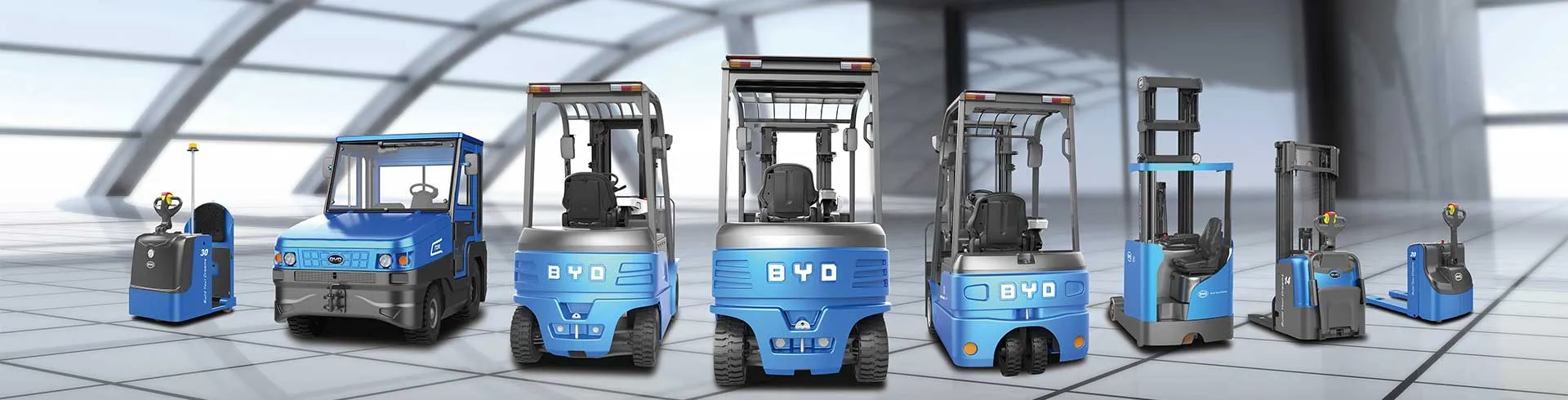
If you are interested in high-quality electric pallet forklifts, Jianshu New Energy specializes in BYD electric forklifts, offering reliable solutions tailored to your material handling needs. Feel free to contact us at 17399989919@163.com for more information.