

The core pain points of material transfer in manufacturing workshops
The problem of operation efficiency and line management
In the production process of the manufacturing industry, material transfer is a key node connecting various processes. The traditional transfer mode relies on manual driving of forklifts, which is prone to problems such as material accumulation and task response lag during peak hours, and manual scheduling is difficult to accurately coordinate multiple transfer lines, which is easy to cause path crossing and waiting time increase, slowing down the overall production rhythm. At the same time, the workshop is densely equipped and the channel width is limited, and the operation flexibility of ordinary forklifts is insufficient, which further limits the improvement of transfer efficiency.
Accuracy and safety risks
Due to factors such as fertilization ability and experience of manually operated forklifts, material placement deviations, damage to equipment or materials are prone to occur, which not only increases material loss costs, but also may lead to safety accidents. In addition, manual recording of transshipment data is prone to errors, which is not conducive to subsequent material traceability and inventory management, and hinders the adjustment of production plans.
Core Logic of AR Series Forward AGV Collaborative Operation Scheme
Multi-AGV intelligent dispatching system
The AR series forward AGV cooperative operation scheme relies on the intelligent scheduling system, which can automatically assign AGV operation tasks and plan the optimal transfer path according to the real-time task requirements, material location, equipment status and other information in the workshop. The system can monitor the running status of each AGV in real time, dynamically adjust the path to avoid moving line conflicts, ensure that multiple AGVs work efficiently together, and realize the orderly connection of material transfer.
Scene Adaptability of Forward Structure
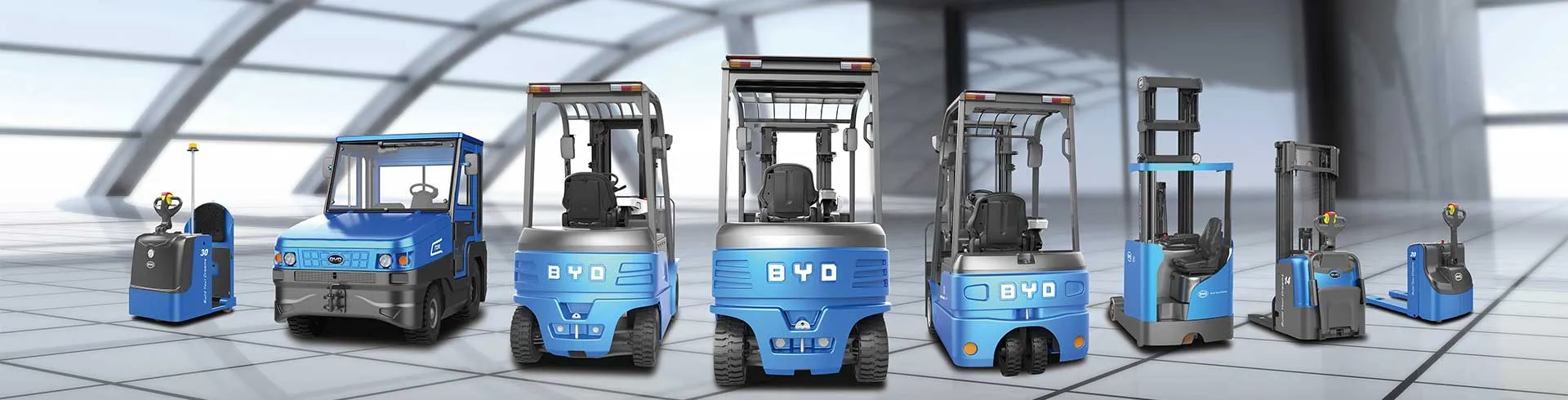
The AR series forward AGV adopts a forward-moving structure, which has more flexible steering and narrow channel operation capabilities while maintaining the load capacity, and can be adapted to the working environment of dense equipment layout and narrow channels in the manufacturing workshop. This structure can make full use of the limited space of the workshop, complete the pick and place and transfer of materials without occupying additional work area, and improve space utilization.
The Landing Value of Collaborative Operation Solutions
Improve transportation efficiency and resource utilization
In the collaborative operation mode, multiple AGVs can perform transshipment tasks 24 hours a day, and the task response speed is greatly improved, effectively alleviating the problem of material accumulation during peak hours. At the same time, the intelligent scheduling system can accurately match tasks and AGV resources, avoid equipment idleness, improve overall resource utilization, and help improve workshop production efficiency.
Reduce operational risk and management costs
AGV operations do not require manual driving throughout the process, reducing the safety risks caused by human operation and reducing the probability of material loss and accidents. In addition, the system automatically records transshipment data, realizes the traceability of the whole process of materials, simplifies inventory management and scheduling processes, reduces labor management costs, and makes workshop material management more accurate and efficient.

