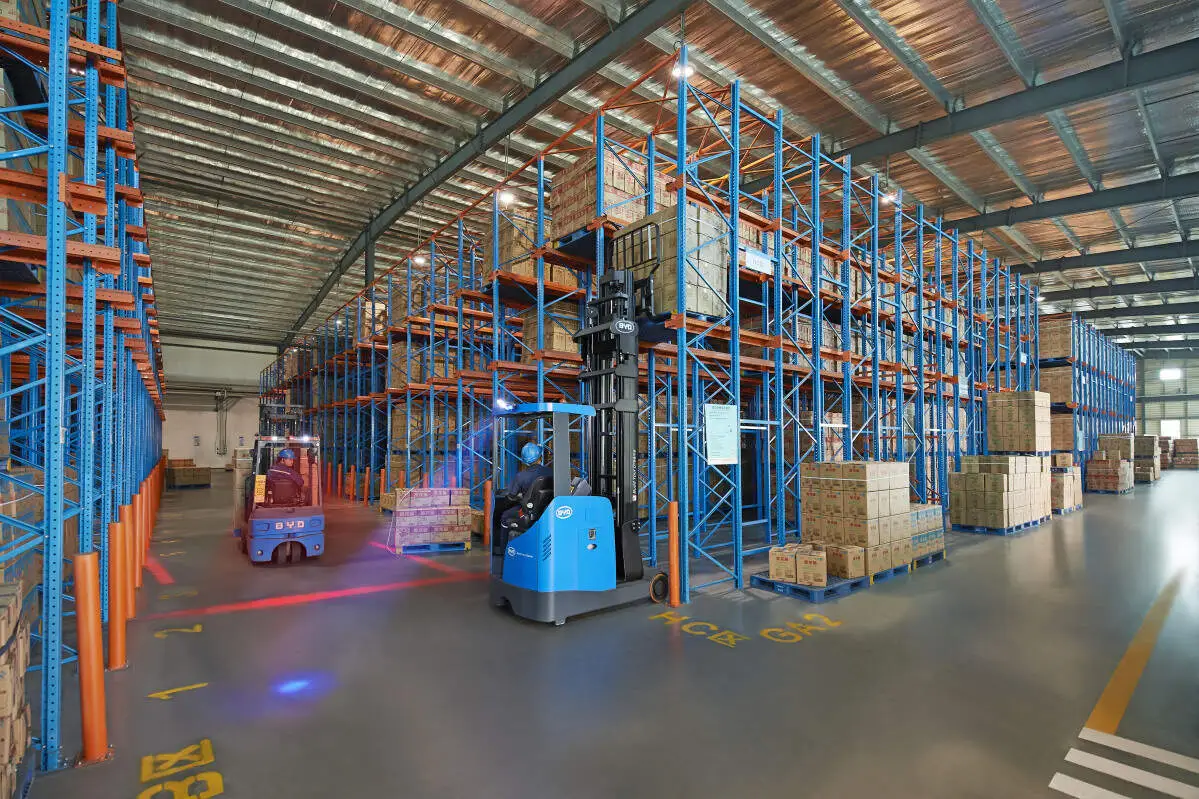
electric forklifts are vital assets in modern warehouses, distribution centers, and industrial settings, but their safe and legal operation depends on strict adherence to OSHA (Occupational Safety and Health Administration) compliance standards. Neglecting these requirements not only endangers worker safety but also leaves businesses vulnerable to fines, penalties, and legal consequences.
OSHA mandates comprehensive training for all electric forklift operators before they are allowed to operate the equipment. This training combines classroom instruction and hands-on practical experience, covering critical topics such as forklift load capacity limits, stability triangle principles, battery handling safety, emergency stop procedures, and workplace hazard awareness. Operators must pass both a written knowledge assessment and a practical skills test to obtain certification, which must be renewed every three years, or immediately following an incident, near-miss, or a change in forklift model.
Before each shift or use, operators are required to conduct a thorough pre-operation inspection of the electric forklift. This routine check includes verifying the battery’s charge level and secure connections, inspecting brakes, steering systems, tires, headlights, taillights, and horns for proper functionality, and ensuring safety features like seat belts and overhead guards are intact and operational. Any detected defects or malfunctions must be documented and reported immediately, and the forklift should be taken out of service until necessary repairs are completed by qualified personnel.
During operation, operators must follow strict OSHA guidelines to maintain a safe work environment. This includes adhering to posted speed limits, maintaining a safe distance from pedestrians and other machinery, avoiding sudden acceleration or deceleration, and wearing seat belts at all times when operating the forklift. When lifting loads, operators must ensure the load is properly balanced, secured, and does not exceed the forklift’s rated capacity. Additionally, operating a forklift under the influence of drugs or alcohol, or while fatigued, is strictly prohibited under OSHA regulations.
Regular maintenance is another core component of OSHA compliance for electric forklifts. Businesses must establish a scheduled maintenance program aligned with manufacturer recommendations, which includes routine inspections, battery servicing, and timely repairs. For electric forklift batteries, proper charging practices and periodic checks of electrolyte levels (for lead-acid models) are essential to prevent safety hazards and extend equipment lifespan. When storing forklifts, they should be parked in designated areas with the parking brake engaged, and batteries disconnected if stored for extended periods.
Adhering to these OSHA compliance requirements is crucial for protecting workers and maintaining efficient, legal operations. If your business needs guidance on meeting these standards or is seeking reliable electric forklifts, Jianshu New Energy specializes in BYD electric forklifts and can provide professional support tailored to your needs. Reach out to us at 17399989919@163.com for more information.