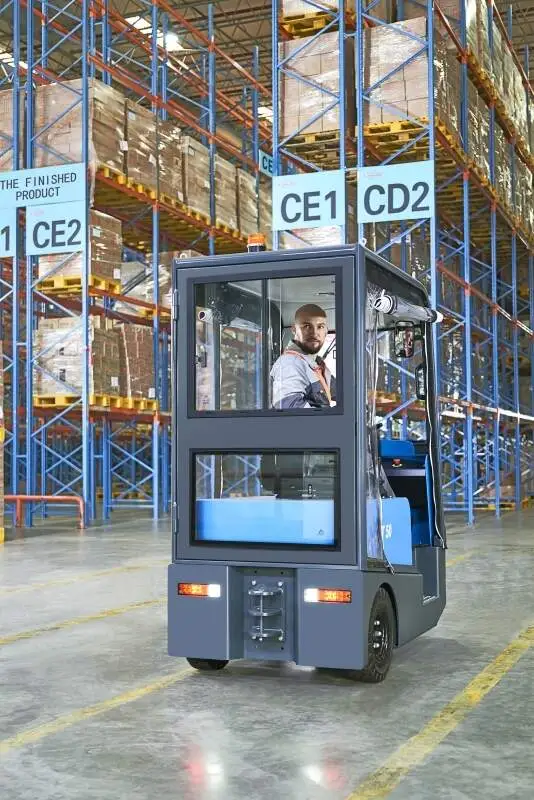
Under heavy-load operating conditions, electric forklift tires face intensified stress that directly impacts operational safety, efficiency, and equipment longevity. As an expert in electric forklifts, I’ll break down the core performance requirements these tires must meet to ensure reliable operation in demanding environments.
First, exceptional load-bearing capacity is non-negotiable. Heavy-load scenarios often involve transporting goods that push the forklift’s rated capacity to its limit. Tires must be engineered to distribute the concentrated weight evenly across the contact area, preventing excessive deformation that could lead to structural failure or unstable handling. This requires robust rubber compounds and reinforced sidewalls that maintain shape even under prolonged heavy stress.
Second, superior wear resistance is essential to reduce maintenance costs and downtime. Constant friction with warehouse floors, outdoor pavements, and uneven surfaces accelerates tire wear when carrying heavy loads. Tires should feature high-quality, abrasion-resistant rubber blends that can withstand repeated contact with rough terrain, minimizing tread loss and extending service life. Regular inspection of tread depth remains a key practice to ensure consistent performance over time.
Third, stable traction and handling capabilities are critical for operational safety. Heavy loads raise the forklift’s center of gravity, increasing the risk of tipping or skidding. Tires need to provide strong grip on various surfaces—from smooth warehouse concrete to wet outdoor asphalt—to maintain precise control during acceleration, braking, and turns. Deep tread patterns and optimized tread designs enhance traction, allowing operators to maneuver safely even with maximum payloads.
Fourth, effective heat resistance is vital to prevent tire degradation. The friction generated by heavy loads and continuous operation generates significant heat, which can break down rubber compounds over time. Tires must be designed to dissipate heat efficiently, avoiding overheating that could cause premature aging, cracking, or blowouts. This is particularly important in high-temperature environments or during long-duration shifts.
Fifth, puncture resistance reduces unexpected downtime. Heavy-load operations often take place in areas with debris, sharp objects, or uneven ground. Tires need reinforced layers that can resist punctures from nails, metal scraps, or rough stones, ensuring uninterrupted operation and reducing the need for emergency tire replacements.
For businesses relying on electric forklifts for heavy-load tasks, choosing tires that meet these performance requirements is crucial. Jianshu New Energy, a specialist in BYD electric forklifts, understands the unique demands of heavy-load operations. Our team can provide professional guidance on selecting the right tires for your fleet, ensuring optimal performance and safety. For more information, feel free to contact us at 17399989919@163.com.