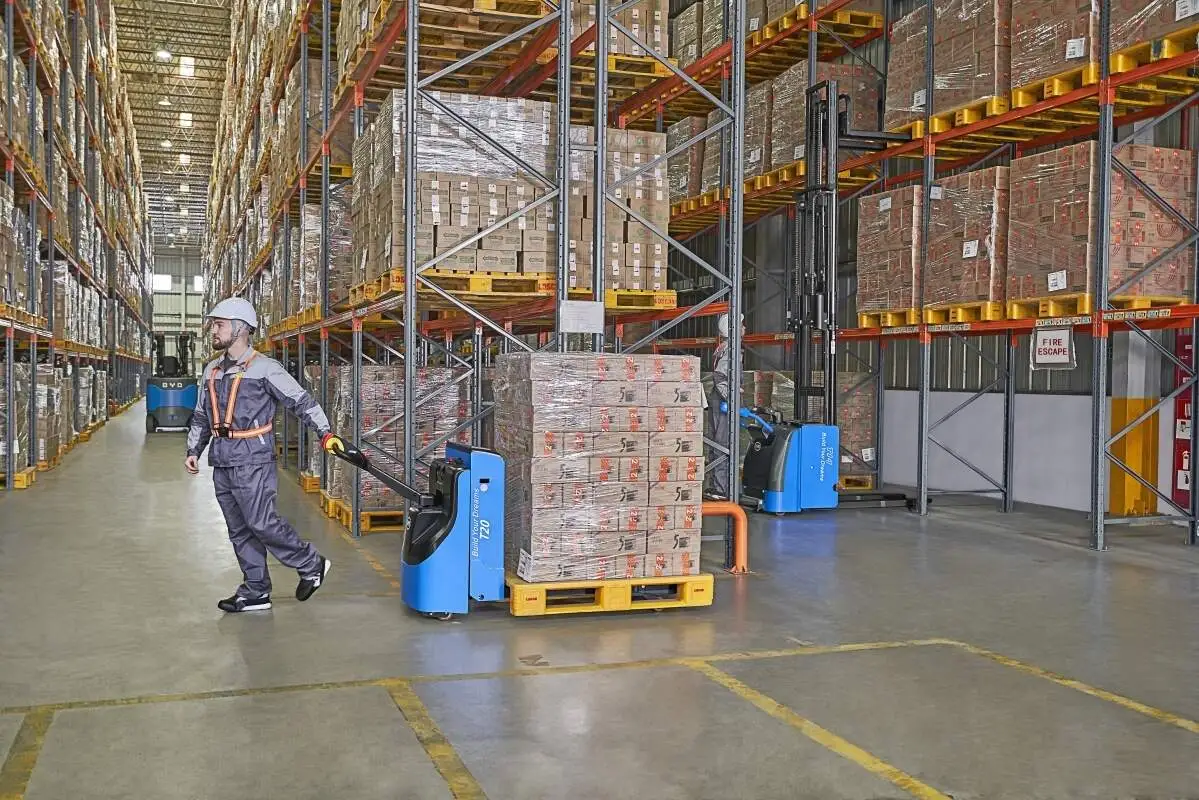
As electric forklifts grow in popularity across industrial and warehouse operations, many businesses tend to fixate solely on upfront pricing during purchasing, often overlooking the long-term real value these machines bring to daily operations. Evaluating an electric forklift’s price against its actual worth requires a holistic, data-driven approach that accounts for multiple operational and financial factors.
1. Prioritize Total Cost of Ownership (TCO) Over Initial Price
The initial purchase price is only one piece of the cost puzzle. Total Cost of Ownership (TCO) includes upfront expenses, charging costs, routine maintenance, battery replacement, and even residual value at the end of the forklift’s service life. A model with a lower initial price might incur higher long-term costs due to frequent battery replacements, inefficient charging systems, or costly maintenance demands. Calculating TCO allows you to compare options more accurately and identify which forklift delivers the best value over its operational lifespan.
2. Evaluate Battery Performance and Lifespan
Batteries are the core of any electric forklift, and their performance directly impacts operational efficiency and cost. Different battery types vary in lifespan, charging speed, and replacement costs. For instance, lithium-ion batteries generally have longer lifespans and faster charging capabilities than lead-acid batteries, reducing downtime and minimizing replacement frequency. When assessing value, consider how a battery’s lifespan aligns with your daily operational hours and how often you’ll need to invest in replacements over several years.
3. Match Forklift Performance to Your Operational Needs
Overinvesting in a high-performance forklift that exceeds your operational requirements leads to unnecessary costs. Evaluate your daily workflows: factor in load capacity needs, average operating hours, warehouse layout (narrow aisles vs. open spaces), and terrain conditions. A forklift built for heavy-duty outdoor use will cost more than a compact model designed for indoor narrow-aisle tasks. Choosing a machine that precisely fits your needs ensures you pay only for features that add tangible value to your operations, rather than unused capabilities.
4. Assess After-Sales Support and Warranty Coverage
Reliable after-sales support is a critical component of an electric forklift’s value. A comprehensive warranty can cover repair costs for key components, reducing unexpected expenses. Additionally, consider the availability of service technicians, response times for maintenance requests, and access to replacement parts. A forklift with robust after-sales support minimizes operational downtime, keeping your business running smoothly.
When navigating the electric forklift market, partnering with a trusted specialist can streamline your evaluation process. Jianshu New Energy, a dedicated BYD electric forklift provider, offers expert guidance to help you assess price against real value based on your specific operational needs. For personalized advice, feel free to reach out via email at 17399989919@163.com.