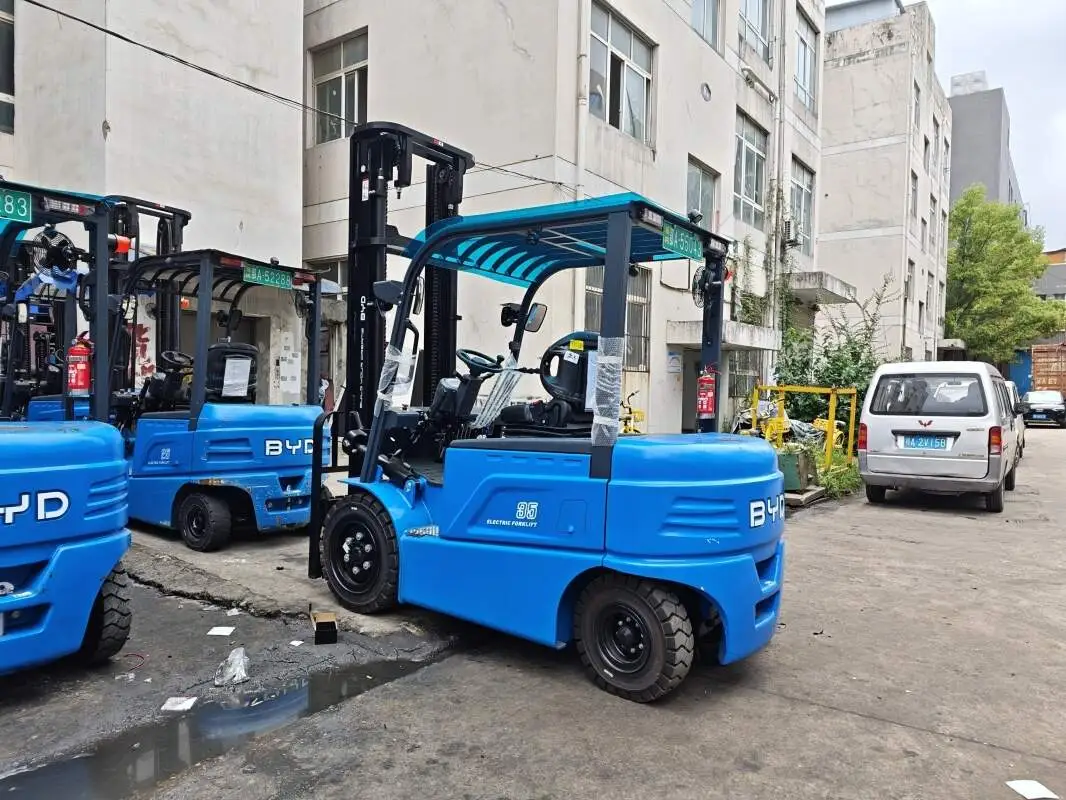
Class 2 electric forklifts are a staple in indoor warehouses, distribution centers, and manufacturing facilities, valued for their low emissions, quiet operation, and precise load handling. Fork blades serve as the critical load-bearing components that directly influence operational safety, efficiency, and equipment longevity. Choosing the right Class 2 fork blades requires a systematic approach to ensure optimal performance and compliance with industry standards.
First and foremost, load capacity matching is non-negotiable. Every Class 2 electric forklift has a rated load capacity specified by the manufacturer, and your fork blades must align with this limit. Oversized blades may lead to excessive stress on the forklift’s mast and frame, while undersized blades risk structural failure when handling heavy loads. Always refer to your forklift’s official manual to confirm the required load rating for replacement fork blades, and prioritize options that meet or exceed this standard without unnecessary over-engineering.
Dimensional compatibility is another key factor. Fork blades come in varying lengths, widths, and thicknesses, and these dimensions must fit seamlessly with your forklift’s carriage and fork hooks. Measure the existing fork blades (if replacing) or consult the forklift’s specification sheet to confirm critical dimensions, including fork length, cross-section width and thickness, and the distance between mounting hooks. Ill-fitting blades can cause instability during load transport, increase wear on carriage components, and even lead to accidental load drops.
Material selection directly impacts blade durability and lifespan. High-quality Class 2 fork blades are typically crafted from heat-treated alloy steel, which offers exceptional strength and resistance to bending and wear. Look for blades with a protective wear-resistant coating on the top surface and tip, as these areas experience the most friction during load handling. Avoid low-grade steel options, as they are prone to premature wear, cracking, and deformation, which can compromise safety and require frequent replacements.
Safety compliance should never be overlooked. Reputable fork blade manufacturers adhere to international safety standards, ensuring their products undergo rigorous testing for structural integrity and load-bearing capacity. Verify that the blades you choose carry relevant certifications to confirm they meet these standards. Additionally, inspect new blades for any signs of manufacturing defects, such as cracks, uneven surfaces, or misaligned mounting points, before installation.
Regular maintenance and timely replacement are essential to prolong fork blade life and maintain safety. Conduct visual inspections of blades before each shift, checking for signs of wear, bending, or cracking. Most industry guidelines recommend replacing blades when the wear on the top surface exceeds 10% of the original thickness, or when cracks are detected in critical areas.
For reliable Class 2 fork blades tailored to BYD electric forklifts, Jianshu New Energy is your trusted partner. With specialized expertise in electric forklift components, we supply high-quality fork blades designed to meet strict performance and safety requirements. For inquiries or assistance in selecting the right fork blades for your equipment, please contact us at 17399989919@163.com.