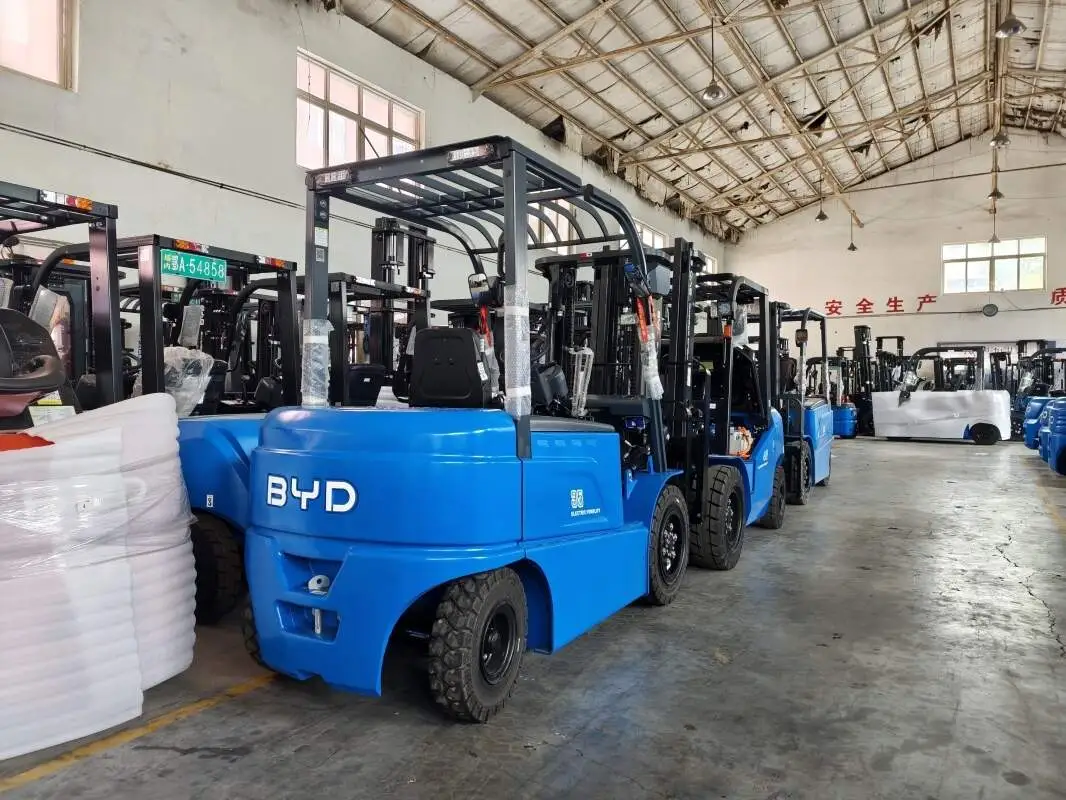
Loading and unloading trucks with electric forklifts is a common yet high-risk operation in warehouses and distribution centers. Without proper risk assessment, operators face potential hazards like collisions, load instability, and environmental accidents that can lead to injuries, property damage, and operational downtime. Below are actionable risk assessment tips to ensure safe and compliant operations.
Pre-Operation Risk Assessment
Before starting any loading or unloading task, conduct a thorough inspection of the electric forklift. Check battery levels to avoid unexpected power loss mid-operation, inspect brakes and steering systems for responsiveness, and ensure all safety features—such as lights, horns, and seatbelts—are functioning correctly. Additionally, verify that the forklift’s load capacity matches the weight of the cargo to prevent tipping.
Environmental and Site Evaluation
Assess the loading bay environment to identify potential risks. Look for uneven ground, wet or slippery surfaces that can cause skidding, and obstacles like debris or parked vehicles blocking the operating path. Check the truck’s stability: ensure it is parked on level ground, the parking brake is engaged, and wheel chocks are in place to prevent unintended movement. For outdoor operations, consider weather conditions—strong winds or rain can impact load stability and forklift maneuverability.
Load Management and Handling
Proper load handling is critical to preventing accidents. Before lifting, inspect the cargo for stability: ensure it is evenly distributed, securely wrapped, and free from loose items that could fall during transport. When approaching the truck, align the forklift correctly with the loading dock to avoid misalignment that can cause load shifts. Use slow, controlled movements when lifting, lowering, and positioning cargo, and never exceed the forklift’s rated load capacity.
Operator Safety and Training
Ensure all forklift operators are properly trained and certified to handle electric forklifts. Operators should understand how to perform risk assessments, recognize potential hazards, and follow safety protocols. During operations, operators must wear appropriate personal protective equipment (PPE) including hard hats, safety shoes, and high-visibility vests. Encourage operators to maintain clear communication with truck drivers and ground staff using hand signals or two-way radios to avoid misunderstandings.
Emergency Preparedness
Develop and communicate emergency procedures for potential incidents like forklift tipping, load falls, or battery leaks. Ensure first-aid kits are accessible near loading bays, and operators know the location of emergency stop buttons and fire extinguishers. Regularly conduct drills to ensure all staff can respond quickly and effectively to emergencies.
By implementing these risk assessment tips, businesses can significantly reduce the likelihood of accidents during electric forklift loading and unloading operations. For reliable electric forklift solutions and expert guidance on safety protocols, contact Jianshu New Energy at 17399989919@163.com.