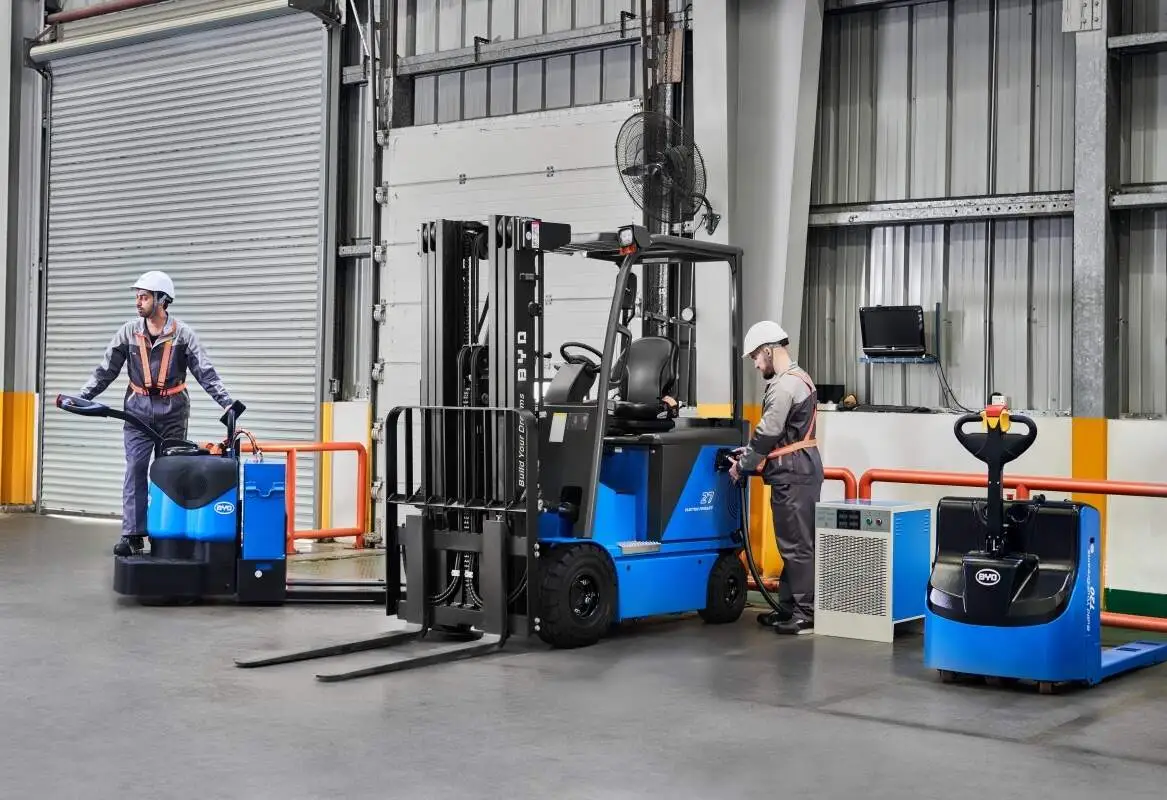
Operating electric forklifts in areas with high pedestrian traffic presents unique safety challenges, as even minor lapses can lead to collisions or injuries. As an electric forklift expert, understanding and implementing targeted safety measures is critical to protecting both operators and pedestrians in shared workspaces.
First and foremost, comprehensive operator training is the foundation of safe operations. Operators must be trained to identify potential hazards in pedestrian zones, such as blind spots, sudden foot traffic, and obstructed pathways. Training should include practical exercises on navigating narrow spaces, recognizing pedestrian body language, and executing emergency stops swiftly. Regular refreshers ensure operators stay updated on safety protocols and maintain alertness during shifts.
Visual and auditory warning systems play a key role in alerting pedestrians to approaching forklifts. Electric forklifts, which operate quieter than their diesel counterparts, require enhanced warning tools. Bright LED warning lights, reflective strips on the forklift body, and audible alarms (especially during reversing or turning) help pedestrians detect forklifts from a distance. Operators should activate these systems consistently when entering pedestrian-heavy areas to avoid unexpected encounters.
Speed control and route planning are equally important. In pedestrian zones, forklifts should operate at reduced speeds—typically no faster than walking pace—to allow sufficient time to react to sudden movements. Establishing designated forklift routes that separate vehicle and pedestrian traffic, where possible, minimizes cross-traffic risks. If shared pathways are unavoidable, clear signage marking priority areas and crosswalks helps both operators and pedestrians navigate safely.
Regular equipment maintenance ensures that forklifts function reliably in pedestrian zones. Pre-shift inspections should focus on critical components like brakes, steering systems, warning lights, and alarms. Malfunctioning brakes or faded warning lights increase the risk of accidents, so addressing issues promptly is non-negotiable. Electric forklift batteries should also be checked regularly to prevent unexpected breakdowns that could block pedestrian pathways.
Effective communication between operators and pedestrians is another vital precaution. Operators should use standard hand signals to indicate turns, stops, or reversals, especially in noisy environments where auditory alarms may be less effective. Pedestrians, in turn, should be educated on avoiding sudden movements near forklifts and making themselves visible to operators. Encouraging a culture of mutual respect and awareness in the workplace reduces the likelihood of miscommunication-related incidents.
For businesses seeking reliable electric forklifts and expert safety guidance, Jianshu New Energy, a specialist in BYD electric forklifts, offers professional support. You can reach us at 17399989919@163.com for tailored advice to enhance your workplace safety protocols, ensuring that your electric forklift operations near pedestrian zones remain secure and compliant.