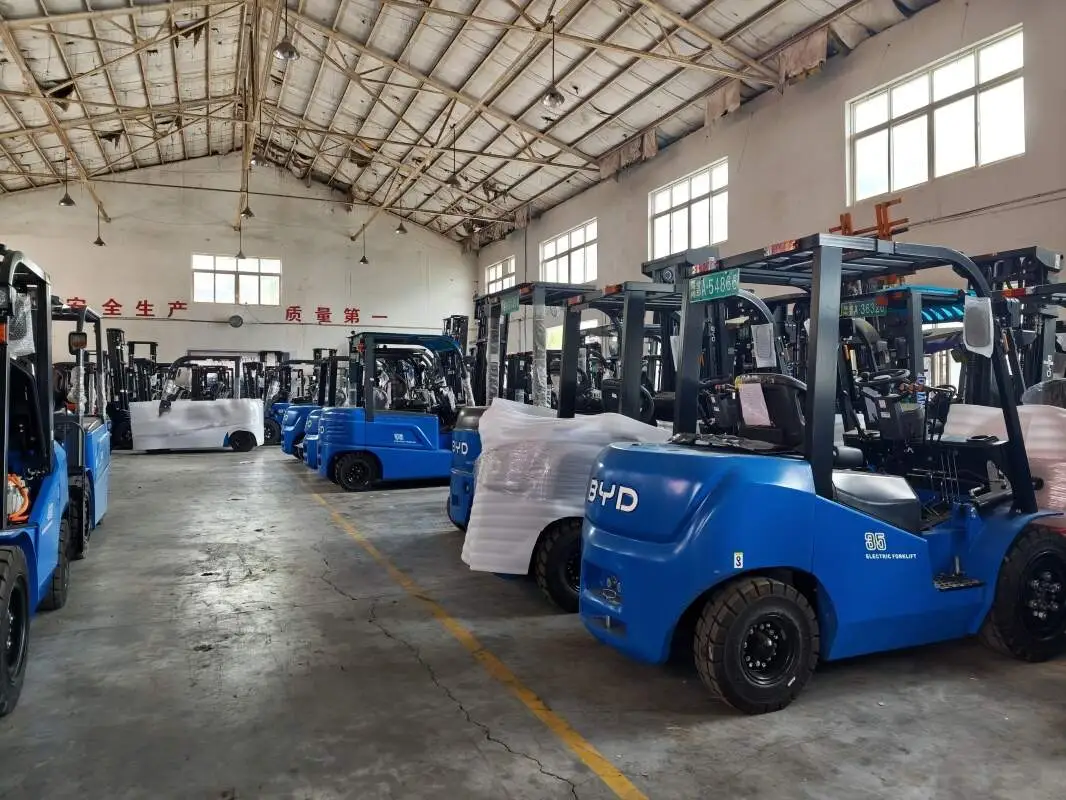
Loading and unloading operations are core daily tasks for electric forklifts in warehouses, logistics centers, and industrial sites, yet they harbor numerous hidden safety risks that can lead to equipment damage, cargo loss, or even personal injuries. As an electric forklift expert, it’s crucial to identify these risks and implement targeted prevention measures to ensure operational safety.
One of the primary risk points is load imbalance. When lifting or transporting goods, uneven distribution of weight can cause the forklift to tip over, especially when navigating ramps or making turns. Overloading, another related risk, exceeds the forklift’s rated capacity, straining its hydraulic system and increasing the likelihood of structural failure. Operators often overlook checking load weight and center of gravity, which puts both themselves and the surrounding environment at risk.
Improper stacking and cargo handling also pose significant threats. In loading operations, failing to secure goods with straps or pallets can result in items falling off during transport, potentially hitting nearby workers or damaging other equipment. During unloading, reckless placement of cargo may lead to collapse of stacked goods, creating a dangerous working zone. Additionally, handling irregularly shaped or fragile items without proper protection increases the chance of cargo damage and safety incidents.
Inadequate operational space is another common risk factor. Narrow aisles, cluttered work areas, and obstructed visibility can lead to collisions between forklifts, walls, or other machinery. Operators may struggle to maneuver safely, especially when reversing or lifting loads to high heights. Poor lighting in indoor facilities further exacerbates this issue, as it reduces visibility of obstacles and other personnel.
Human error remains a prevalent safety risk. Lack of proper training can lead to incorrect operation of the forklift, such as sudden acceleration, improper braking, or incorrect use of lifting controls. Fatigue or distracted driving due to long working hours can also impair an operator’s judgment, increasing the risk of accidents.
To mitigate these risks, several preventive measures should be implemented. First, conduct regular training for operators on load calculation, proper stacking techniques, and safe operation procedures. Second, perform routine maintenance checks on electric forklifts to ensure all components, including brakes, hydraulic systems, and lights, are in good working condition. Third, optimize the work environment by keeping aisles clear, ensuring adequate lighting, and marking safe operation zones. Finally, establish clear safety protocols, such as mandatory use of personal protective equipment and regular safety audits.
If you’re seeking reliable electric forklift solutions, Jianshu New Energy specializes in BYD electric forklifts, offering professional guidance and support to enhance your operational safety. Feel free to contact us at 17399989919@163.com for more information.