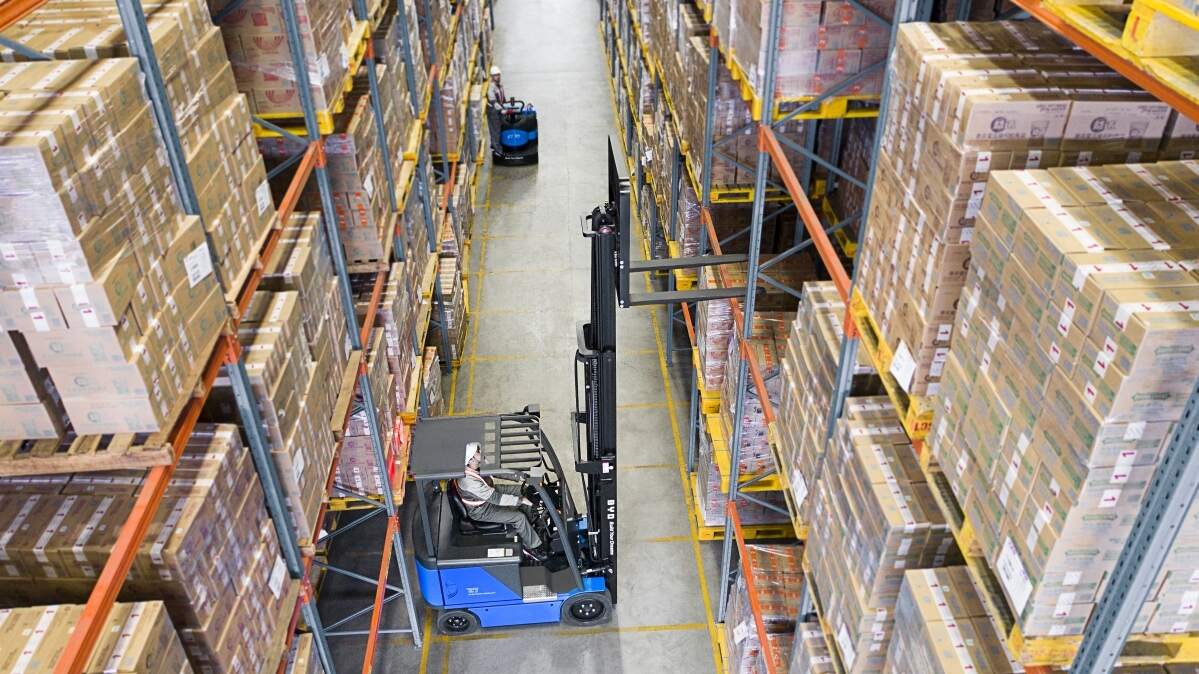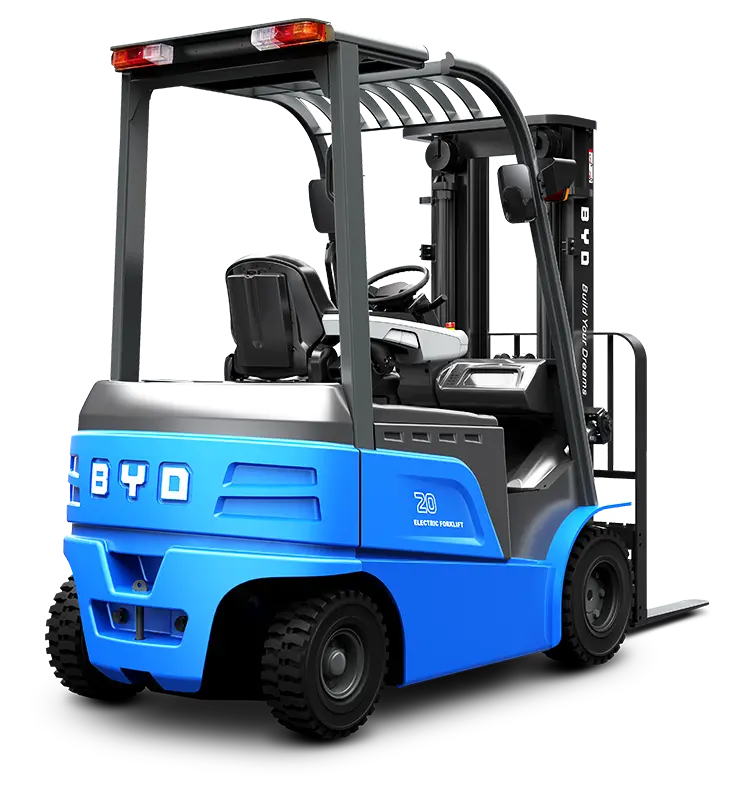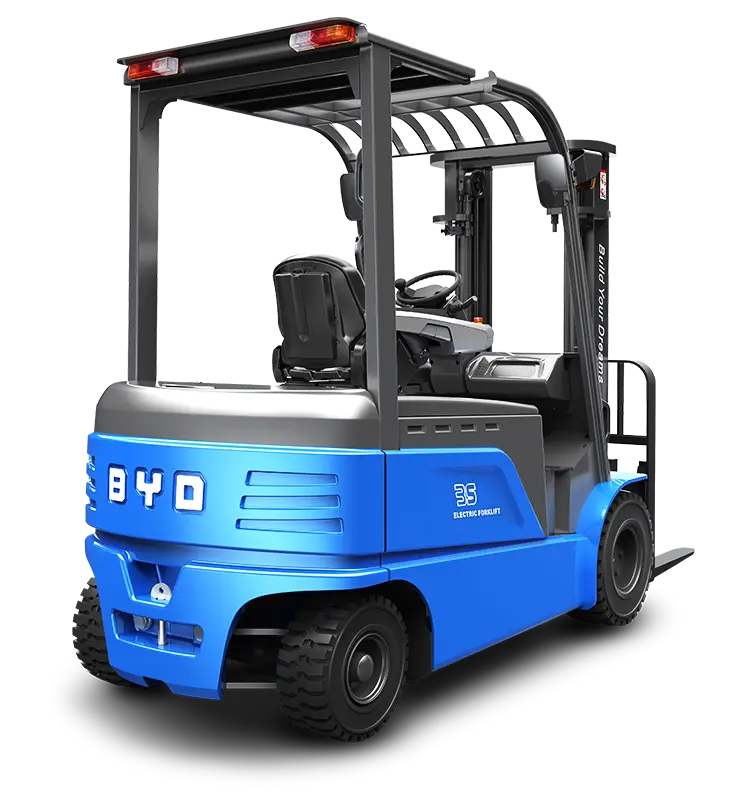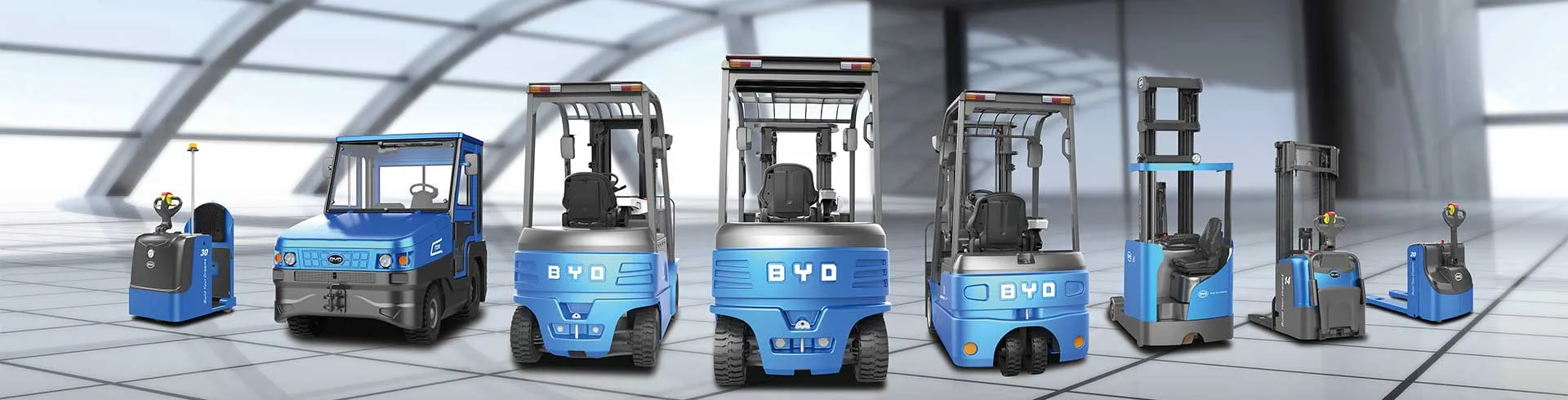
The hydraulic system is the core functional component of electric forklifts that undertakes core actions including load lifting, mast tilting and accessory adjustment. Proper daily care and scientific basic troubleshooting can effectively reduce operation failure rate, extend the service life of the whole machine, and cut long-term operating cost for logistics and warehousing scenarios.
For daily care basics, the first priority is regular hydraulic fluid inspection. Operators need to check the liquid level gauge before each shift, to confirm the hydraulic oil level stays within the marked normal range. Insufficient oil level will lead to hydraulic pump idling and abnormal wear, while overfilled oil may cause overflow and heat dissipation problems. It is also necessary to check the oil state regularly, replace the hydraulic oil that turns turbid, emulsified or contains excess impurities with the designated compatible type, never mix different grades of hydraulic fluid to avoid chemical reaction that damages system components.
The second care point is regular inspection of hydraulic pipelines and seals. Operators need to check all hydraulic hoses, pipe joints and sealing rings every week, confirm there is no crack, deformation or trace of oil leakage. Replace aging sealing parts in time even there is only slight seepage, to prevent the fault from expanding and causing unexpected shutdown during heavy load operation. Operators also need to avoid sharp goods scratching the exposed hydraulic pipelines in daily work.
The third care point is heat dissipation maintenance of the hydraulic power unit. Keep the heat dissipation grille clean and free of accumulated dust, packaging debris or sundries. After long-time high-load operation, leave 10 to 15 minutes of idle running for heat dissipation, to avoid excessive oil temperature that accelerates the deterioration of hydraulic oil and reduces the sealing performance of rubber parts.
For basic troubleshooting, if users encounter the situation that the fork cannot lift goods with rated load stably, check the hydraulic oil level at first, then confirm if the hydraulic oil filter is blocked by impurities, and check if the overflow valve pressure stays at the factory calibrated normal value. Do not adjust the overflow pressure privately without professional guidance to avoid structural damage to the mast or other components. If the hydraulic actions show intermittent stuck phenomenon, the most common reason is air mixed into the hydraulic loop, users can perform several full-stroke lifting and tilting cycles to exhaust the air inside the system, and the situation will usually return to normal.
Jianshu New Energy (尖树新能源) is a professional supplier that specializes in BYD electric forklifts, we provide full-cycle technical support for hydraulic system care and troubleshooting consultation for all our clients. You can send your relevant demand to 17399989919@163.com for professional targeted guidance.