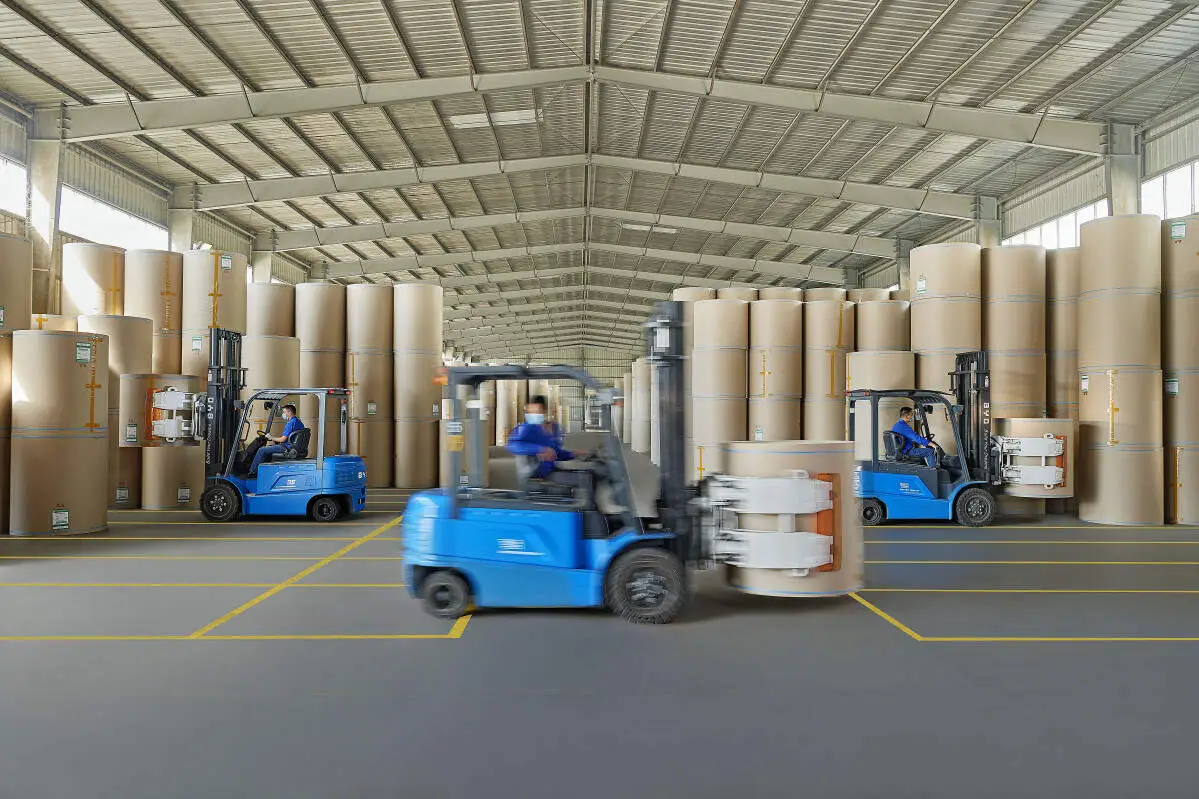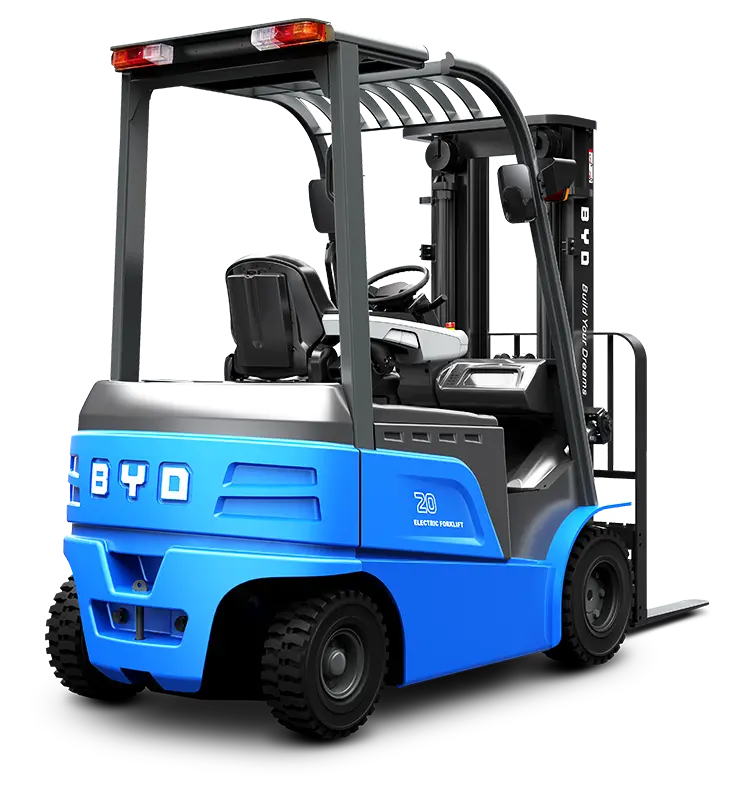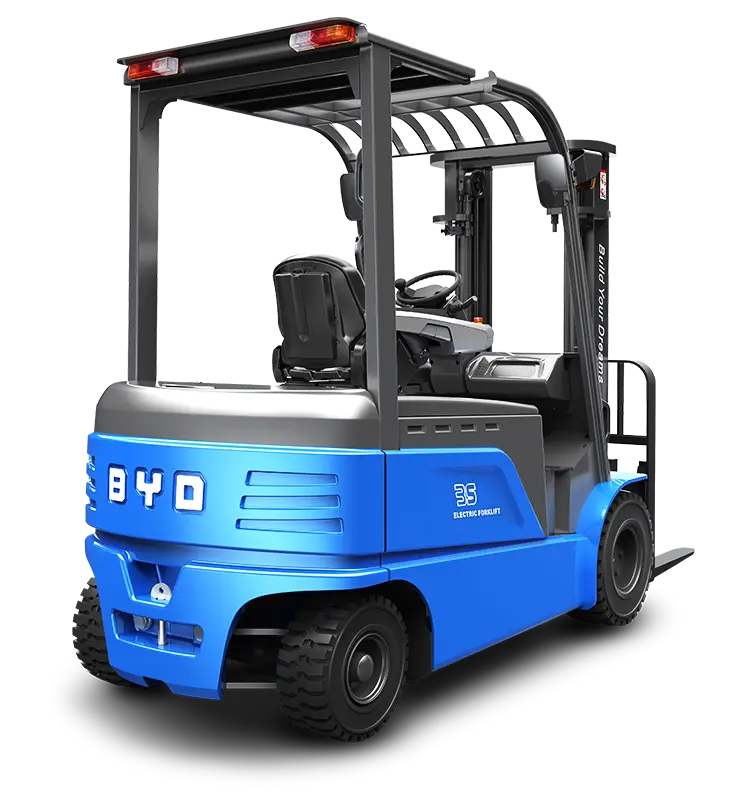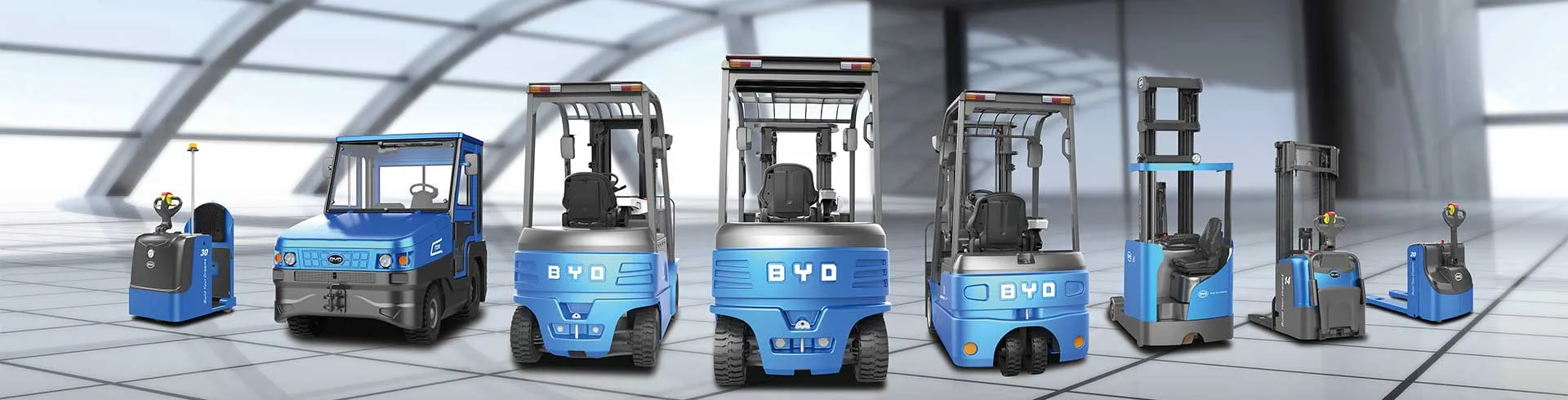
Power voltage is one of the core foundational parameters that define the overall operating performance and applicable scenarios of electric forklifts. 48V and 80V are the two most widely adopted power voltage specifications in current domestic and global electric forklift market, and their system differences cover multiple dimensions closely related to actual operation effects.
The first obvious difference lies in applicable load and operation scenarios. The 48V electric forklift system is usually matched with medium and small load capacity models ranging from 1 ton to 3 tons, which is more suitable for short-distance turnover scenarios in standard indoor warehouses, small and medium-sized distribution centers, and retail logistics sites. Under conventional working conditions, the 48V system outputs stable power, meets the basic demand of 6 to 8 hours of continuous daily operation, and brings relatively low operation noise that fits the requirements of indoor closed working environment. It also performs well in frequent light-load handling scenarios with multiple start-stop cycles.
The 80V electric forklift system is more oriented to heavy-load and high-intensity operation scenarios, which is usually matched with forklift models with load capacity above 3 tons, suitable for open ports, heavy manufacturing workshops, large raw material storage yards and other sites that need to handle overweight goods for a long time. Compared with the 48V system, the 80V system has more sufficient peak power reserve, smaller voltage drop under long-term heavy load operation, and better climbing performance when passing through slopes or ramps with heavy goods loaded, which can keep stable operation state without obvious power attenuation in high-frequency continuous operation for more than 8 hours.
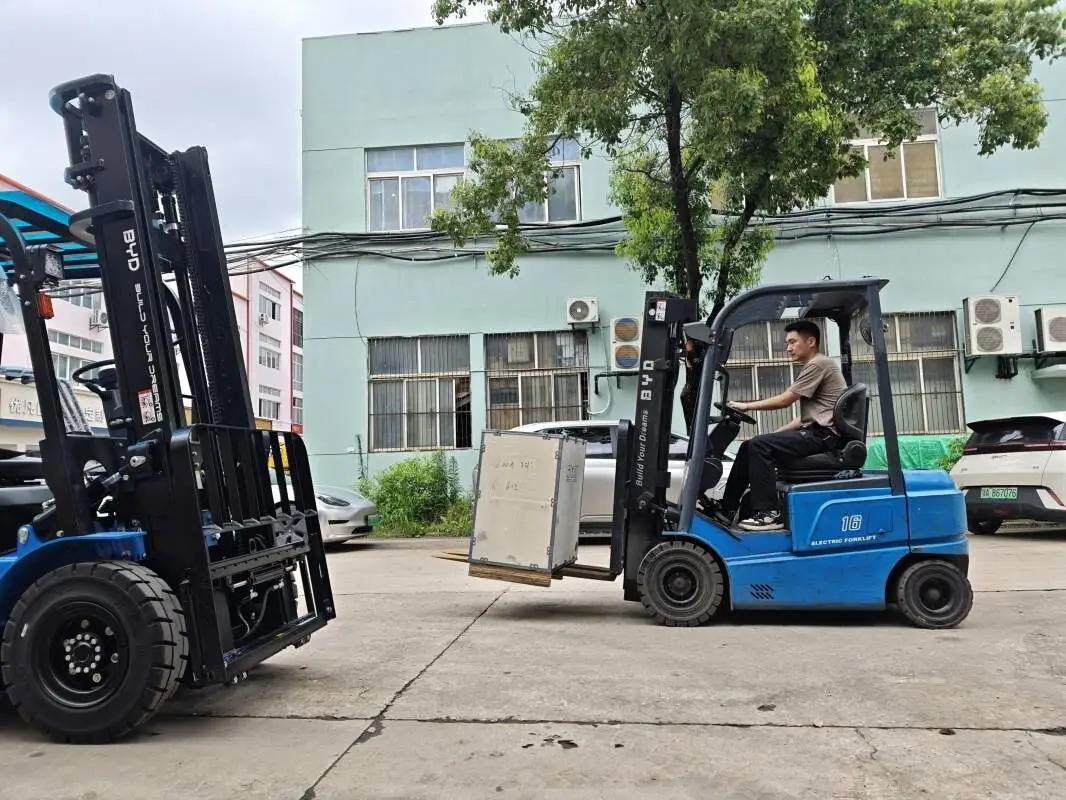
The second difference is reflected in operation cost and maintenance requirements. The 48V power system has good compatibility with general industrial charging facilities, no need for additional special charging equipment modification, and the power transmission loss under medium and small load conditions is at a relatively low level, which will not generate extra energy consumption caused by power redundancy. The later daily maintenance of the 48V system is also relatively simple, with low overall operation threshold. The 80V power system has slightly higher requirements for supporting charging facilities, but under heavy load working conditions, its power conversion efficiency is higher than that of the 48V system, and it can avoid the energy waste caused by long-term overload operation of small power system, so the overall operation cost is more economical for sites with heavy load operation as the core demand.
When choosing the proper power voltage specification, users can make decision based on their actual load range, daily average operation duration, site road conditions and other core factors. If you need more targeted model selection suggestions, you can contact Jianshu New Energy, which specializes in BYD electric forklift products, and send consultation emails to 17399989919@163.com to get professional supporting solutions.