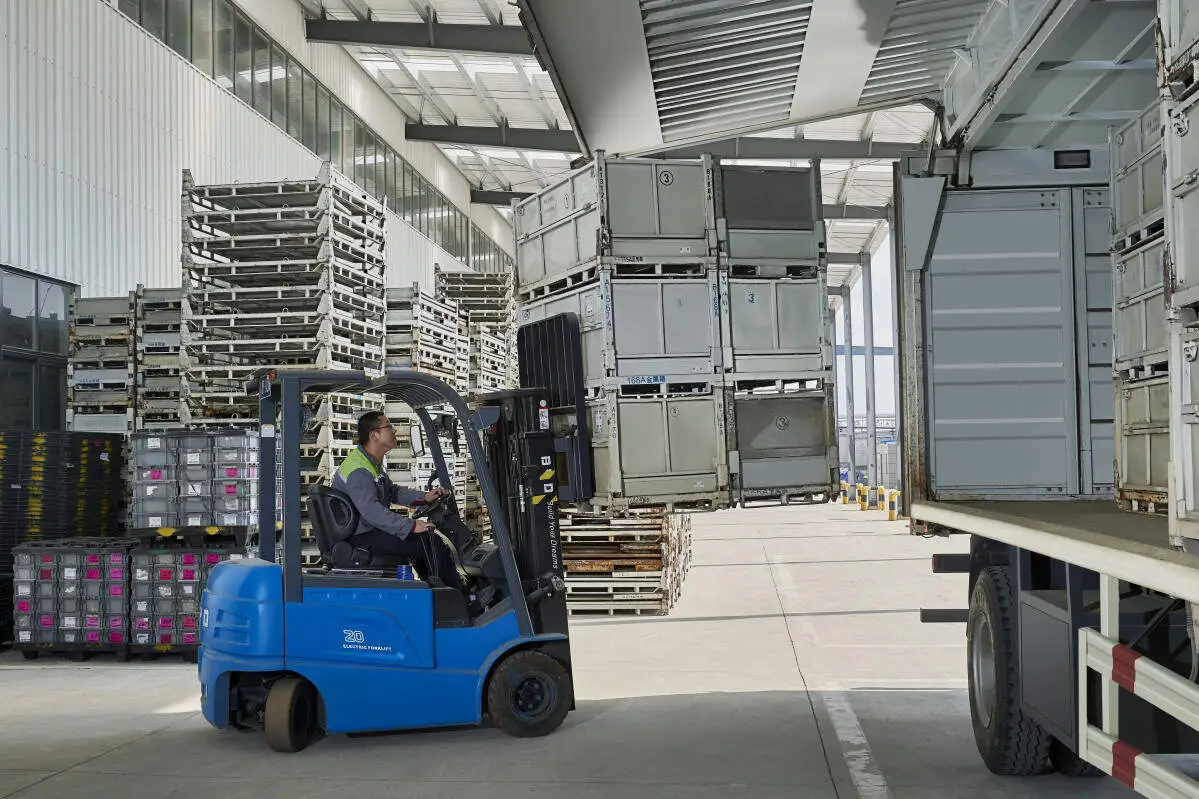
In modern logistics and warehousing, efficient cargo handling is a cornerstone of operational success. Slip sheet cargo, a space-saving alternative to traditional wooden pallets, has gained popularity for its ability to reduce storage costs and streamline shipping volumes. However, handling slip sheet cargo requires specialized equipment to ensure smooth loading and unloading processes—enter the slip sheet forklift attachment.
A slip sheet forklift attachment is a specialized accessory designed to be mounted on standard forklifts, enabling them to handle cargo secured to thin, flat slip sheets instead of traditional pallets. Its core design typically includes a sturdy push plate and adjustable clamping mechanisms. When positioned over a slip sheet, the clamping arms securely grip the edge of the sheet, while the push plate extends to shift the entire cargo load onto a receiving surface, such as a truck bed, warehouse shelf, or another storage platform. For unloading, the process reverses: the attachment slides the cargo off its current surface and onto the slip sheet, allowing for easy transport within the facility.
One of the primary advantages of using this attachment is its ability to optimize space utilization. Unlike bulky wooden pallets that take up valuable storage and shipping space, slip sheets are thin and lightweight, allowing more cargo to be stacked in warehouses and maximizing payload capacity in shipping containers. This not only reduces long-term storage costs but also lowers shipping expenses by minimizing wasted space. Additionally, the attachment facilitates seamless loading and unloading, minimizing the risk of cargo damage that can occur with manual handling or incompatible equipment. The controlled, stable movement of goods ensures product integrity is maintained throughout the supply chain, reducing losses from damaged items.
Slip sheet forklift attachments are versatile tools suitable for a range of applications. Warehouses and distribution centers, which handle high volumes of diverse cargo daily, benefit significantly from the speed and efficiency this equipment provides, especially when managing fast-moving inventory. Retail operations rely on the attachment to quickly restock shelves with goods delivered on slip sheets, streamlining the replenishment process. Port and intermodal facilities also utilize this equipment to transfer slip sheet cargo between ships, trucks, and storage areas, reducing turnaround times for shipments. Even manufacturing plants use the attachment to move raw materials and finished products within their facilities, aligning with lean production principles to minimize waste and boost productivity.
To ensure safe and efficient operation of a slip sheet forklift attachment, several best practices should be followed. First, proper training for forklift operators is essential. Operators must learn how to correctly align the attachment with slip sheets, adjust clamping pressure to avoid damaging the sheet or cargo, and maneuver the equipment in tight spaces without causing accidents. Regular maintenance is also critical; routine inspections of the push plate, clamping arms, hydraulic components, and mounting hardware can identify wear and tear early, preventing unexpected breakdowns and extending the attachment’s lifespan. It’s also important to use high-quality slip sheets that are compatible with the attachment, as damaged or low-grade sheets can lead to slippage, cargo loss, or equipment malfunctions. Finally, ensuring the attachment is correctly mounted to the forklift and matches the forklift’s weight capacity is vital to maintain operational safety and prevent overloading.
In an era where logistics efficiency and cost-effectiveness are top priorities for businesses, the slip sheet forklift attachment emerges as a practical solution for handling slip sheet cargo. By enabling smooth, safe, and efficient loading and unloading processes, it helps businesses reduce operational costs, improve productivity, and maintain consistent product quality across their supply chains. Whether deployed in small-scale warehouses or large distribution hubs, this specialized accessory plays a key role in streamlining material handling operations and adapting to evolving logistics needs.