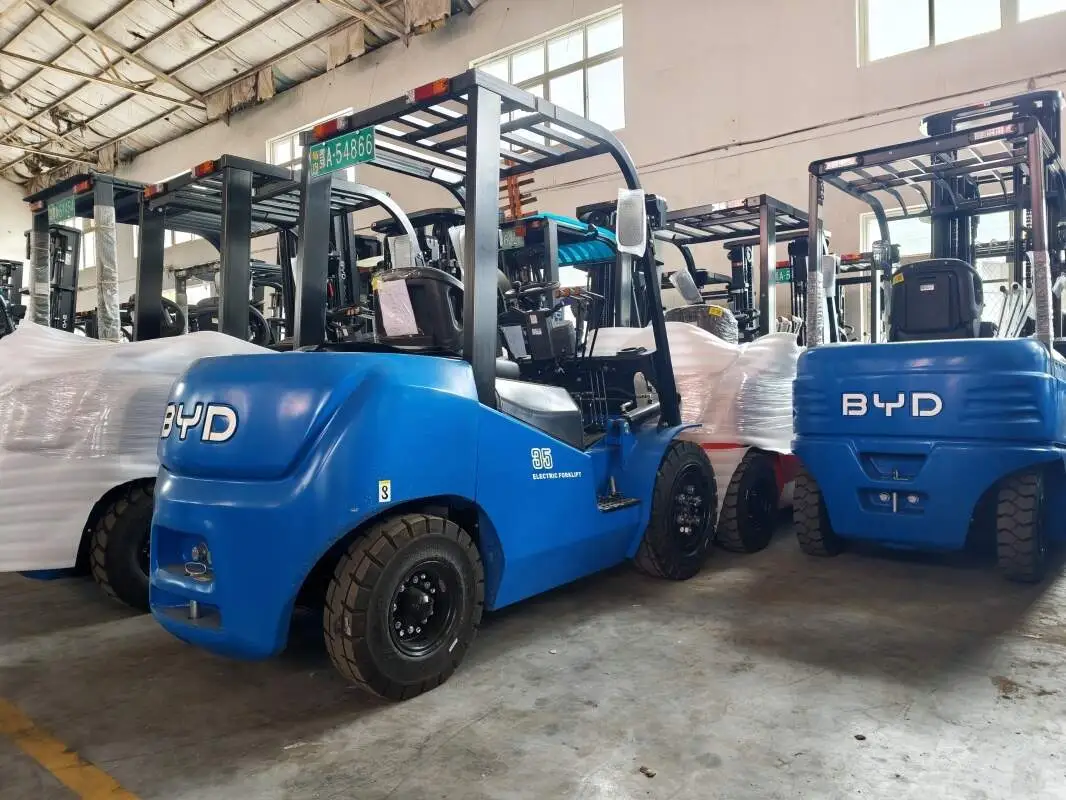
The fork blades are a critical component of electric forklifts, directly impacting lifting efficiency, load safety, and operational flexibility. Choosing the right standard width for fork blades is not a one-size-fits-all decision; it requires careful consideration of multiple operational and environmental factors. Understanding these principles can help businesses optimize their material handling processes and extend the lifespan of their equipment.
1. Load Characteristics and Dimensions
The primary factor influencing fork blade width selection is the nature and dimensions of the loads being handled. For palletized goods, the fork width should match the pallet’s entry opening dimensions to ensure stable lifting and prevent pallet damage. If handling irregularly shaped or oversized loads, a wider fork blade may be necessary to distribute the load weight evenly and reduce the risk of tipping. Conversely, for narrow or small-sized goods, excessively wide forks can lead to difficulty in maneuvering through tight spaces and may cause accidental damage to adjacent items.
2. Warehouse and Operational Space Constraints
The layout and space of the warehouse or operating area play a significant role in determining fork blade width. In facilities with narrow aisles or limited turning space, narrower fork blades are more suitable as they enhance the forklift’s maneuverability, allowing operators to navigate tight corners and narrow passages with ease. On the other hand, in spacious warehouses with wide aisles and ample turning room, wider fork blades can be utilized to handle larger loads more efficiently without compromising operational flow.
3. Forklift Capacity and Stability
Fork blade width is closely linked to the electric forklift’s load capacity and overall stability. Wider forks help distribute the load’s weight over a larger area, reducing the stress on the forklift’s mast and chassis, which in turn improves stability during lifting and transportation. However, it is essential to ensure that the selected fork width aligns with the forklift’s rated load capacity. Using forks that are too wide for the forklift’s capacity can lead to imbalance and potential safety hazards, while overly narrow forks may not provide sufficient support for heavy loads.
4. Compliance with Industry Standards
When selecting standard fork blade widths, it is crucial to adhere to relevant industry standards and regulations. These standards specify the minimum and maximum dimensions for fork blades based on forklift capacity and application scenarios, ensuring that the equipment meets safety and performance requirements. Compliance with these standards not only enhances operational safety but also ensures compatibility with common material handling equipment such as pallets and racks.
Selecting the appropriate standard width for electric forklift fork blades requires a holistic approach that balances load requirements, operational space, equipment capacity, and industry standards. If you need professional guidance on choosing the right fork blades or are looking for reliable electric forklift solutions, Jianshu New Energy specializes in BYD electric forklifts. Our team can provide tailored advice to meet your specific material handling needs. Feel free to contact us via email at 17399989919@163.com for more information.