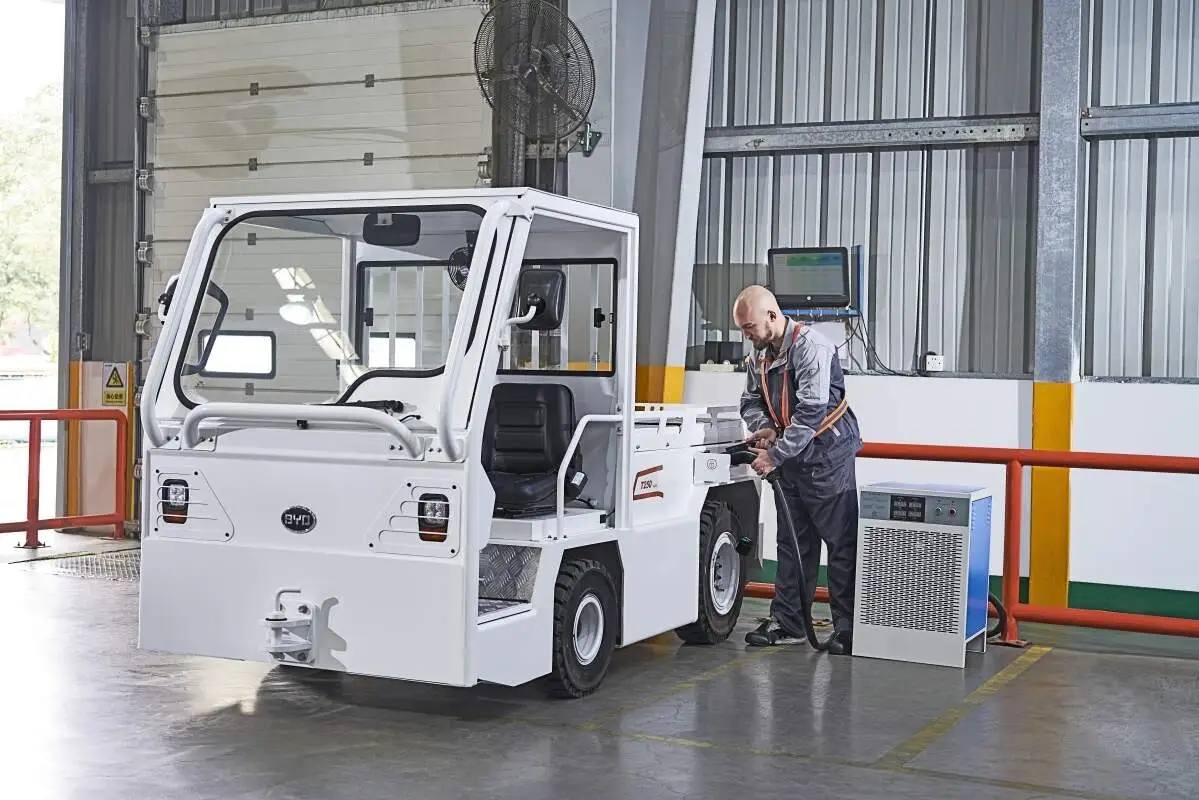
In modern industrial logistics and warehousing operations, forklifts play a critical role in material handling, but their widespread use also brings persistent safety risks. Recent statistical data shows that industrial forklift accidents remain a pressing issue, with a notable portion leading to worker injuries, property damage and operational downtime.
A comprehensive statistical analysis of such accidents reveals several core causes. Approximately 40% of incidents stem from operator error, including improper turning, overloading, lack of situational awareness and failure to follow safety protocols. Around 25% are attributed to equipment-related issues such as worn-out brakes, faulty steering systems, or neglected maintenance. Environmental factors like cluttered workspaces, uneven flooring and poor lighting account for another 20% of accidents. These figures highlight the multi-dimensional nature of forklift safety challenges, demanding targeted and holistic solutions.
Against this backdrop, electric forklifts have emerged as a safer alternative to traditional internal combustion models, boasting lower noise levels, zero emissions and more responsive controls. Yet maximizing their safety potential requires proactive optimization strategies.
First, standardized operator training is fundamental. Regular training programs should cover not only basic operation skills but also emergency response protocols, load handling best practices and familiarity with electric forklift-specific features. Ensuring operators are fully certified and receive ongoing refreshers can reduce operator-related accidents significantly, as supported by industry research.
Second, systematic maintenance is non-negotiable. Electric forklifts depend on battery systems, electrical components and hydraulic mechanisms that require periodic inspections. Scheduled checks of battery health, brake functionality and sensor systems can identify potential issues before they escalate into accidents. Implementing a structured maintenance tracking system further streamlines this process, ensuring no critical tasks are overlooked.
Third, integrating advanced safety technologies adds extra protection layers. Features such as collision avoidance sensors, automatic speed limiting in narrow spaces and seatbelt interlock systems can mitigate risks linked to human error and environmental hazards, complementing training and maintenance efforts.
As a specialist in electric forklifts, Jianshu New Energy focuses on providing BYD electric forklifts tailored to industrial safety needs. We understand the value of combining high-quality equipment with comprehensive safety support. Our team offers customized training programs, regular maintenance services and expert guidance on safety optimization to help businesses reduce accident risks and enhance operational efficiency. For more information on our electric forklift solutions, please contact us at 17399989919@163.com.