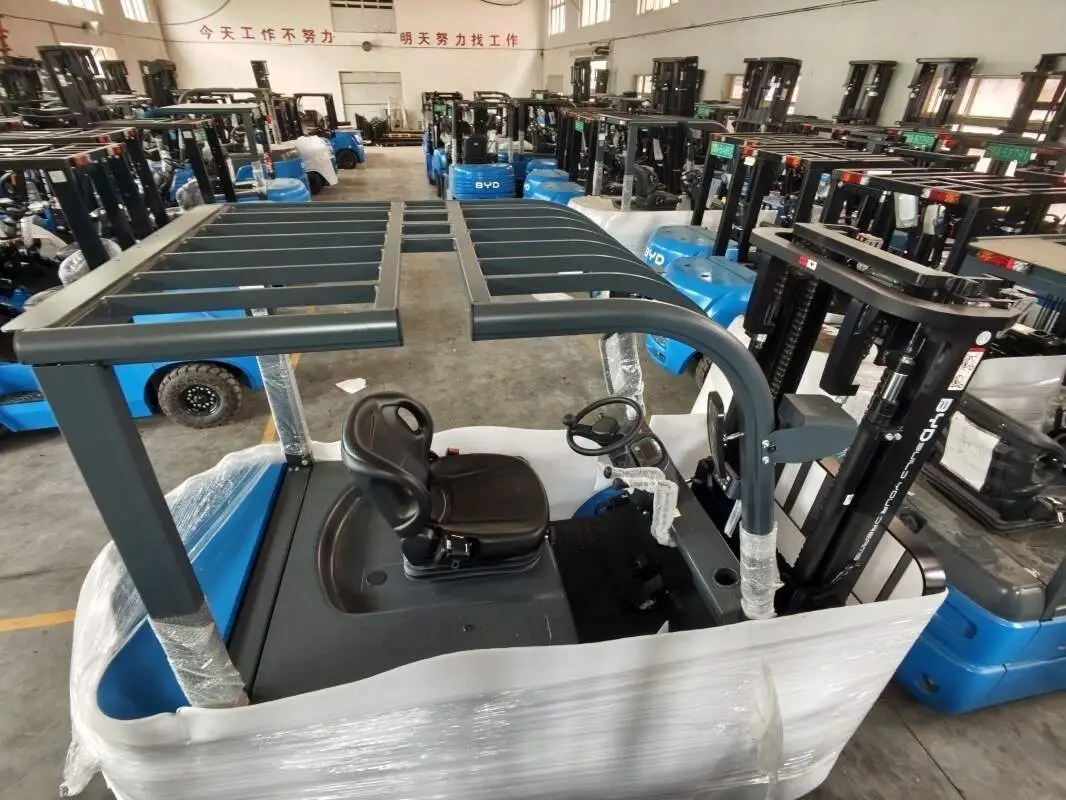
Second-hand electric forklift fork blades offer a cost-effective solution for businesses looking to optimize material handling equipment without overspending. However, their longevity and reliable performance heavily depend on proper storage and protection practices. Neglecting these steps can lead to premature wear, corrosion, or structural damage, compromising both operational efficiency and safety.
Storage Methods for Second-Hand Fork Blades
First, prioritize a controlled storage environment. Fork blades should be kept in a dry, well-ventilated space shielded from extreme temperatures, direct sunlight, and excess moisture. Humidity is a primary cause of corrosion, so using dehumidifiers in enclosed storage areas can significantly reduce rust formation risk. Additionally, avoid storing forks in areas prone to dust or chemical exposure, as these accelerate surface degradation.
Second, use proper placement techniques to prevent physical damage. Invest in dedicated storage racks designed to hold fork blades off the ground. This prevents bending or warping from bearing their own weight and keeps them free from dirt accumulation. When placing forks on racks, ensure they are aligned evenly and not stacked haphazardly. Segregating forks by size, weight, and condition is also advisable, minimizing scratches or collisions during retrieval.
Protection Techniques to Extend Lifespan
Regular cleaning is the foundation of effective fork blade protection. Before storing second-hand forks, thoroughly remove all dirt, grease, and material residue using mild, non-abrasive detergents. Rinse with clean water and dry completely to eliminate moisture that could cause corrosion. For stubborn grime, use soft-bristled brushes to avoid scratching the surface.
Applying anti-corrosion treatments is another critical step. Even minor surface scratches can expose underlying metal to rust, so a thin, even coat of rust inhibitor or protective paint creates a barrier against environmental elements. Reapply these treatments periodically, especially if forks are stored for extended periods or in high-humidity environments.
Finally, conduct regular inspections to identify potential issues early. Check for structural damage such as cracks, bending, or excessive wear on fork tips. Minor damages should be repaired promptly by qualified technicians to prevent worsening. Additionally, inspect connection points to ensure they remain intact and functional.
Proper storage and protection of second-hand electric forklift fork blades not only extend their service life but also contribute to a safer working environment. For businesses seeking reliable electric forklifts or professional component maintenance advice, Jianshu New Energy specializes in BYD electric forklifts. Feel free to reach out via 17399989919@163.com for more information and support.