


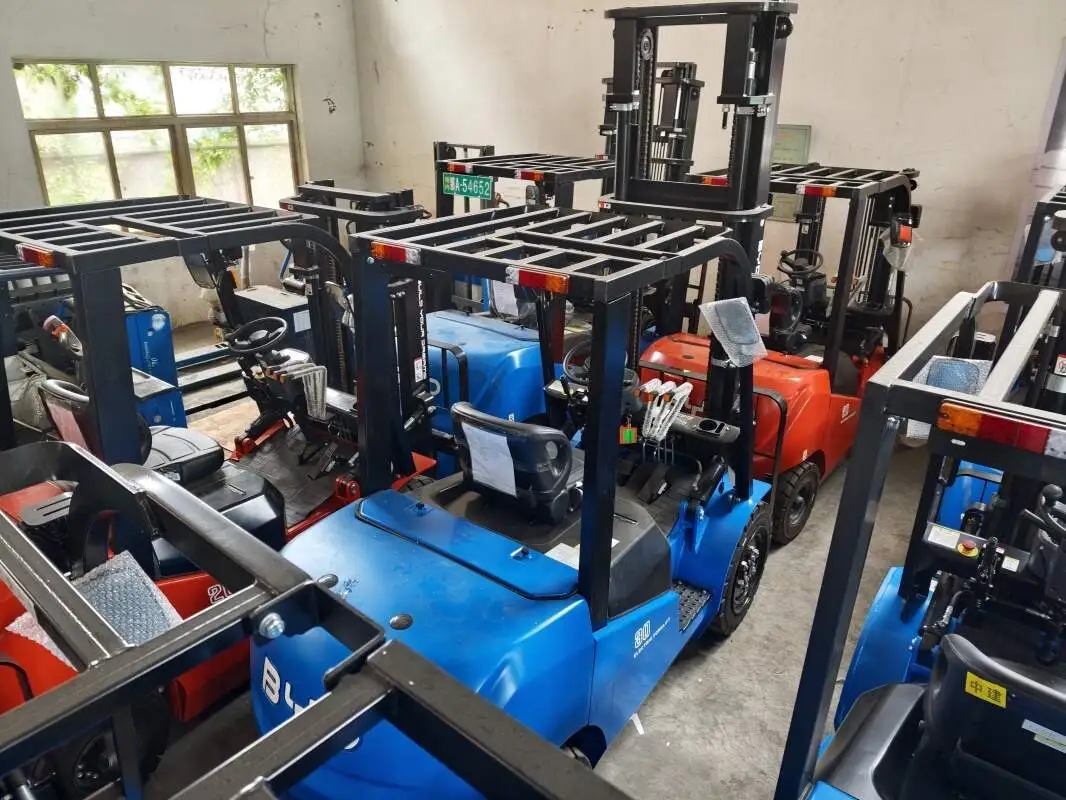
Common fault codes and basic troubleshooting principles
When the BYD GX20 stacker has a fault code, the operator should stop the operation of the equipment as soon as possible to avoid the failure expanding. First observe the code information on the display screen and record it accurately, and then preliminarily judge the fault range in combination with the operating status of the equipment. Do not force start the equipment without investigation. Basic investigation should follow the principle of easy before difficult, first external and then internal. Check the external wiring, switches and other easy-to-contact parts first, and then gradually go deep into the core system.
Typical fault code corresponding processing method
Power system fault code processing
If there is a power supply fault code, it usually corresponds to abnormal battery voltage, charging system failure and other problems. First check whether the wiring of the battery pack is loose or corroded, and if so, tighten and clean it in time; then use professional instruments to detect the remaining capacity of the battery. If the capacity is insufficient, charge it according to the standard process; if the fault is not eliminated after charging, check whether the charging module is damaged, and replace qualified parts if necessary.
Walking system fault code processing
The fault codes related to the walking system are mostly related to the walking motor and the drive controller. After the code appears, first check whether the external wiring of the walking motor is in good condition and whether there is a short circuit or open circuit; then measure the winding resistance of the motor to determine whether there is a fault inside the motor; if the motor is normal, check the connection cable and operating status of the drive controller to confirm whether the controller needs to be reset or replaced.
Lifting system fault code processing
The fault code of the lifting system often corresponds to the abnormal lifting solenoid valve, hydraulic pump or sensor. First check the line connection of the lifting solenoid valve, clean the impurities of the solenoid valve core, and ensure the smooth operation of the valve core; then check the hydraulic oil level and cleanliness. If the oil is insufficient or polluted, it needs to be replaced in time. If the above operation is invalid, it is necessary to detect whether the signal output of the lifting sensor is normal and replace the faulty sensor.
Troubleshooting General Precautions
When troubleshooting and dealing with faults, the total power supply of the equipment must be cut off first, and protective gear such as insulating gloves must be worn to avoid the risk of electric shock. Non-professional maintenance personnel should not disassemble the core components of the equipment without permission. If in-depth inspection is required, qualified maintenance personnel should be contacted. Regular maintenance of the equipment is required on a daily basis, and the dust of the parts and the aging of the wiring should be cleaned in time to reduce the probability of fault codes.

