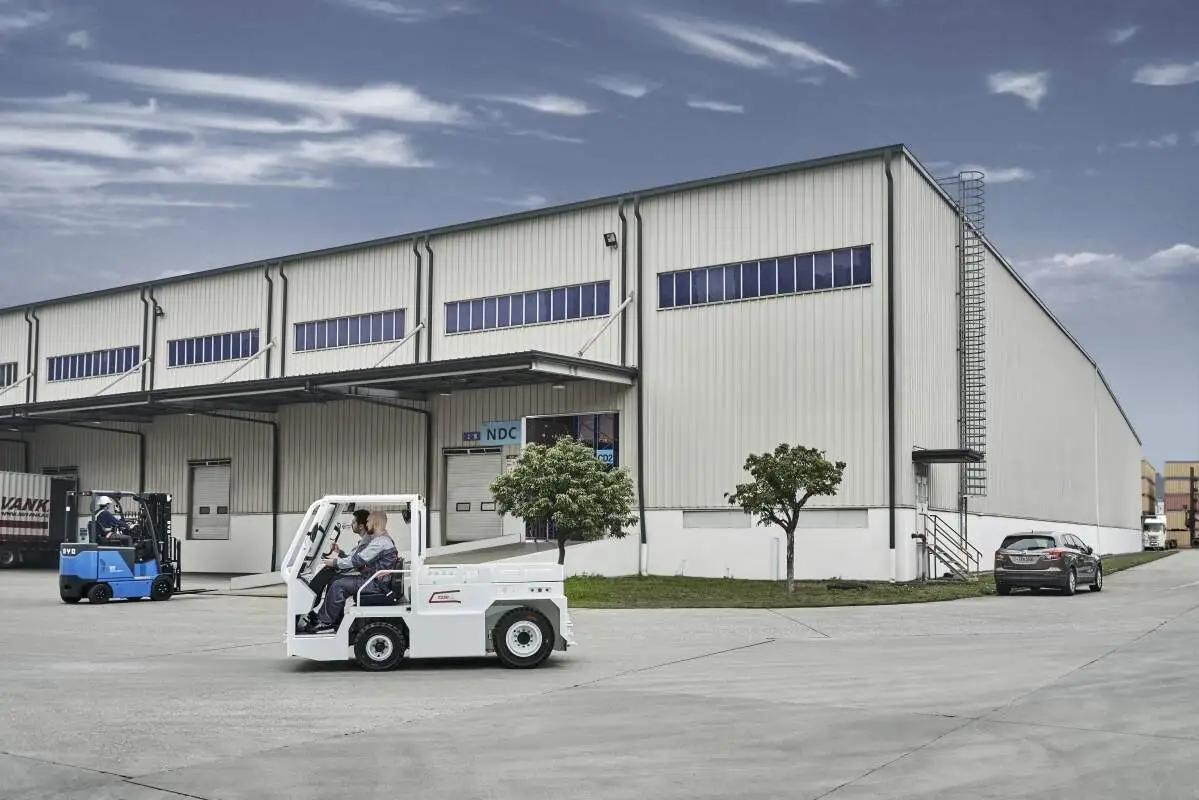
In modern warehouse operations, electric forklifts play a pivotal role in streamlining material handling processes. A well-planned warehouse layout not only ensures safe forklift operations but also maximizes efficiency by minimizing unnecessary travel distances. As an electric forklift expert, I’ll share practical layout suggestions to design reasonable travel routes for electric forklifts, helping warehouses optimize operational flow and reduce operational costs.
Zone Goods by Turnover Rate
One of the foundational steps in optimizing electric forklift travel routes is categorizing goods based on their turnover frequency. High-turnover items should be stored in areas close to loading and unloading docks or main warehouse entrances. This reduces the distance electric forklifts need to travel for daily pick-and-place tasks, cutting down on energy consumption and operational time. Low-turnover goods can be placed in deeper, less accessible sections of the warehouse, as they require less frequent handling.
Design Clear, Purpose-Built Traffic Lanes
Proper traffic lane design is critical to avoiding collisions and ensuring smooth forklift movement. For most warehouses, one-way traffic lanes are recommended to eliminate head-on conflicts between electric forklifts and other warehouse equipment. Lane widths should be tailored to the size of electric forklifts, allowing enough space for safe maneuvering without wasting valuable warehouse space. Additionally, clearly marked lane boundaries, directional signs, and speed limit markers help guide forklift operators and reduce the risk of accidents.
Optimize Loading and Unloading Zone Placement
Loading and unloading zones are high-traffic areas in any warehouse, so their placement directly impacts electric forklift travel efficiency. These zones should be positioned near the warehouse’s main entrances or exits, separate from core storage areas to prevent congestion. Designing dedicated access paths between loading zones and high-turnover storage areas ensures that electric forklifts can move quickly between these key points without navigating through crowded storage sections.
Embrace Vertical Storage Solutions
Utilizing vertical storage systems, such as pallet racks and mezzanines, not only increases warehouse storage capacity but also simplifies electric forklift travel routes. By storing goods vertically, warehouses can reduce the amount of ground space needed for storage, creating wider traffic lanes and more direct paths. Electric forklifts equipped with appropriate lifting capabilities can easily access items at different heights, eliminating the need for long, winding routes across the warehouse floor.
Conduct Regular Route Evaluations
Warehouse operations are dynamic, with changes in inventory levels, order patterns, and business demands over time. It’s essential to regularly evaluate electric forklift travel routes to identify inefficiencies. By analyzing data on forklift movement times, congestion points, and task completion rates, warehouses can adjust their layouts to adapt to new operational needs. Simple adjustments, such as repositioning frequently accessed items or modifying lane configurations, can lead to significant efficiency improvements.
For warehouses looking to implement these layout strategies and enhance their electric forklift operations, Jianshu New Energy is a trusted specialist focused on electric forklifts. With professional expertise in electric forklift selection and warehouse layout optimization, we can provide tailored solutions to meet your specific needs. If you have any questions or need further guidance, feel free to contact us via email at 17399989919@163.com.