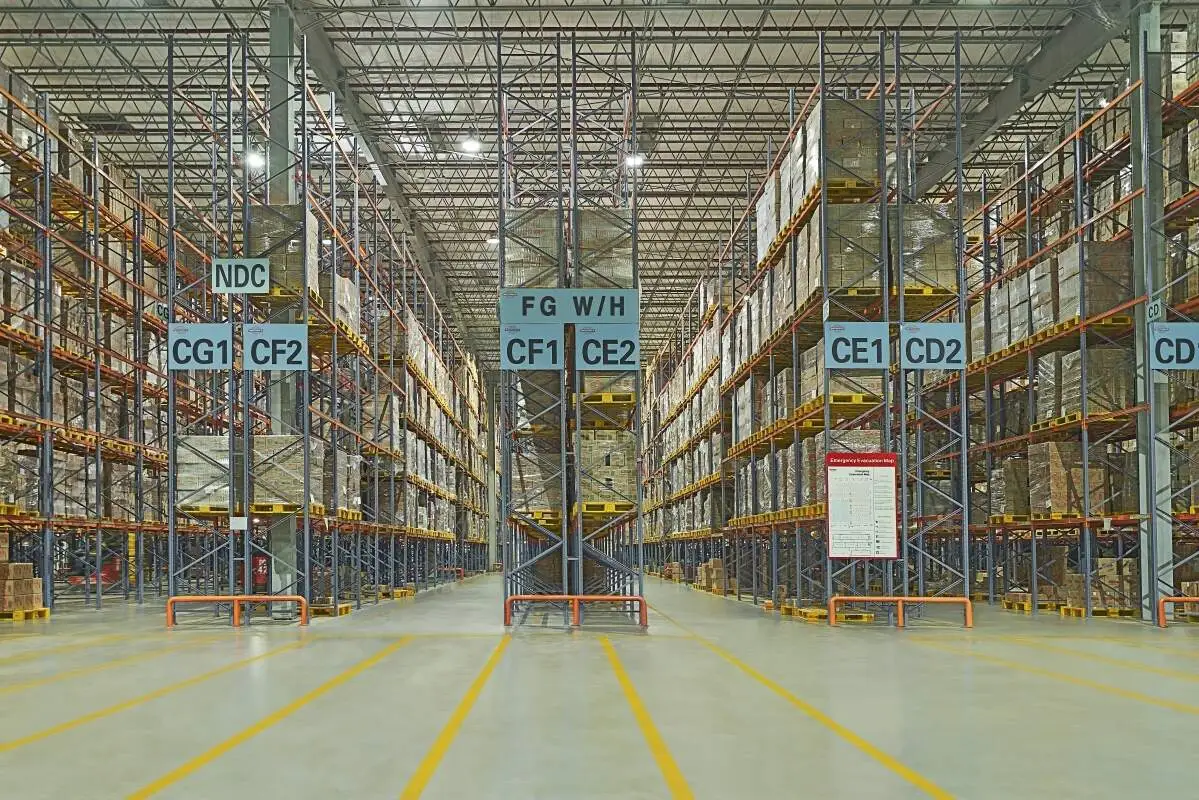
In busy warehouse environments, electric forklifts and scissor lifts are often used simultaneously to handle material movement and elevated tasks. While both equipment types boost operational efficiency, their coexistence demands strict safety protocols to prevent collisions, falls, and other workplace incidents. Below are key safety tips to ensure safe and coordinated operation between electric forklifts and scissor lifts.
Before starting any shift, operators of both electric forklifts and scissor lifts must conduct thorough pre-operation inspections. For electric forklifts, this includes checking battery charge levels, brake functionality, steering responsiveness, and fork condition. For scissor lifts, inspect hydraulic systems, platform stability, emergency stop buttons, and guardrails. Any faulty components should be reported and repaired immediately before use to avoid operational hazards.
Effective communication is critical when working in close proximity. Operators should use standardized hand signals, two-way radios, or warehouse communication systems to alert each other of their movements and intended actions. Designate specific zones for scissor lift operations and mark them with clear, visible signage to notify forklift operators of restricted areas. Avoid operating either equipment in blind spots without first confirming the area is clear through visual checks or communication.
Warehouse managers should design dedicated travel paths for electric forklifts and restrict scissor lift operations to designated work areas. Ensure these paths are free of obstacles, debris, and uneven surfaces that could cause instability or impede movement. When scissor lifts are in use, forklift operators must maintain a safe distance from the lift’s base and extended platform. Never attempt to pass a scissor lift while it is elevated or in motion, as this increases the risk of collision or tip-over.
A minimum safe distance of at least three feet should be maintained between electric forklifts and scissor lifts at all times. When a scissor lift is elevated, expand the clearance zone around it to account for potential swing or movement. Forklift operators must avoid turning or maneuvering abruptly near scissor lifts, as sudden movements can startle lift operators or cause unexpected collisions.
All operators must hold valid certification for their respective equipment. Regular refresher training sessions should cover updated safety protocols, emergency procedures, and best practices for operating alongside other machinery. Training should also include scenario-based exercises specific to electric forklift and scissor lift interactions, such as navigating narrow aisles or coordinating material transfers at elevated levels.
Warehouses should have clear emergency procedures in place for incidents involving electric forklifts and scissor lifts. Operators should know how to activate emergency stop buttons, shut down equipment safely, and evacuate the area if necessary. First aid kits and emergency contact information should be readily accessible near work zones to ensure prompt response to any accidents.
By following these safety tips, warehouse operators can minimize risks and create a safer working environment when using electric forklifts and scissor lifts together. If you’re looking for reliable electric forklifts to enhance your warehouse operations, Jianshu New Energy specializes in BYD electric forklifts. For more information, feel free to contact us via email at 17399989919@163.com.