


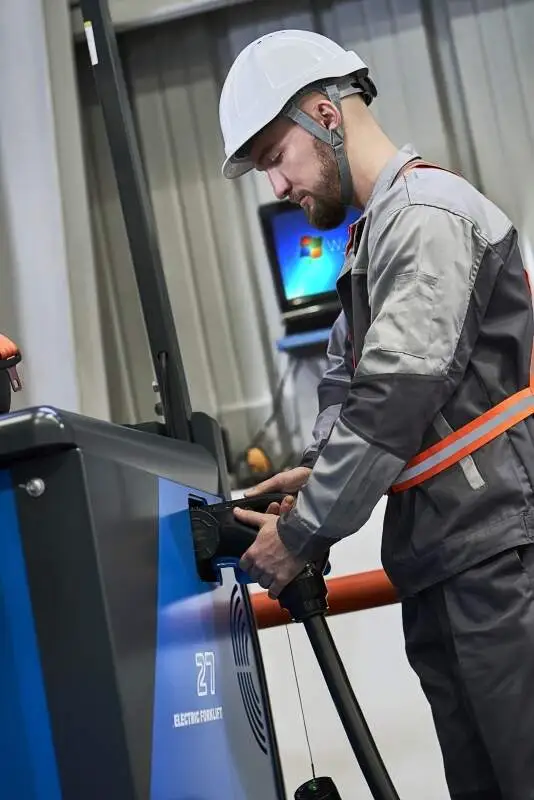
In the warehousing and logistics operation scenario, the electric forklift is used as the core handling equipment, and the state of its filter element and hydraulic parts directly affects the operating efficiency and service life. Many practitioners have doubts about the filter element replacement cycle and the maintenance points of hydraulic parts. This article will give practical guidelines based on the actual operation.
Regarding the replacement cycle of the filter element, it needs to be flexibly adjusted according to different types of filter elements and working environment. The oil filter element is mainly used to filter impurities in the oil. It is replaced every 500 hours under normal operating conditions. If the storage environment is dusty and the operation intensity is high, it can be appropriately shortened to about 400 hours to avoid impurities from wearing engine parts. The fuel filter element is responsible for filtering impurities in the fuel to ensure a smooth fuel supply. It is replaced every 1000 hours under normal operating conditions. If the quality of the fuel used is poor or the storage environment is humid, it is recommended to replace it in advance to 800 hours to prevent fuel blockage from causing insufficient power.
The hydraulic oil filter element is a key protective component of the hydraulic system. The electric forklift used for the first time needs to replace the hydraulic oil filter element after 200 hours of operation, and then replace it every 1000 hours. When replacing, the cleanliness and viscosity of the hydraulic oil need to be checked synchronously. If the hydraulic oil blackens or deteriorates, it needs to be replaced together. The air filter element is used to filter the air entering the engine to prevent dust from entering the combustion chamber. When the storage environment is less dusty, clean the surface of the filter element every 500-1000 hours, and replace it directly when the blockage is serious. If the storage environment is more dusty, it needs to be checked every 300 hours and replaced in advance if necessary.
In terms of hydraulic parts maintenance, first of all, do a good job of daily liquid level inspection, check whether the oil level of the hydraulic oil tank is within the specified marking range before daily operation, and replenish the same type of hydraulic oil in time when it is insufficient to avoid air inhalation by the hydraulic system due to low oil level. Secondly, keep the hydraulic system clean. When replacing the filter element or hydraulic oil, ensure that the operating environment is clean to avoid dust and impurities from entering the pipeline. At the same time, regularly clean the oil and dust on the surface of the hydraulic oil tank to prevent pollution of the hydraulic oil.
In addition, it is necessary to regularly check the seals at the hydraulic pipeline and joints to see if there is any leakage, aging cracking, etc. If problems are found, replace the seals in time to prevent the leakage of hydraulic oil from affecting the system pressure. Avoid overload operation in daily operations, and carry goods strictly according to the rated load of the forklift to prevent the hydraulic system from being in a high-pressure state for a long time and aggravating the wear of accessories. Finally, check the pressure value of the hydraulic system every six months to ensure that the pressure is within the specified range of the equipment. If the pressure is abnormal, check the pipeline blockage, pump body failure and other problems in time to ensure the stable operation of the hydraulic system.
Doing a good job in filter element replacement and hydraulic parts maintenance can effectively reduce the failure rate of electric forklifts, prolong the service life of equipment, and provide protection for the smooth development of warehousing operations. Practitioners need to formulate a personalized maintenance plan based on the actual working environment and equipment operation status, and develop a good habit of regular maintenance.

