


With the rapid development of modern warehousing and logistics industry, heavy-duty AGVs and forklifts are the core operating equipment, and their procurement decisions directly affect the efficiency and cost control of warehousing operations. Before starting procurement, enterprises need to comprehensively sort out their needs and master the key instructions for inquiry and procurement.
In the warehousing heavy-duty AGV inquiry stage, first of all, it is necessary to clarify the core parameters of its own warehousing conditions, including the load-bearing weight of daily operations, the complexity of the operation path, the spatial layout of the warehouse and environmental conditions, etc., and accurately transmit this information to the supplier, so that the other party can provide suitable solutions. Secondly, it is necessary to focus on the content covered by the quotation, whether it includes equipment installation and debugging, operator training, maintenance services during the quality assurance period, etc., to avoid subsequent additional costs. At the same time, it is necessary to understand the supplier's operation and maintenance response mechanism, clarify the processing timeliness and parts supply capacity of fault repair, and ensure the long-term stable operation of the equipment. In addition, it is also necessary to pay attention to the flexibility of the plan and confirm whether the equipment can be upgraded according to the future expansion of the warehousing business, so as to enhance the long-term value of the procurement investment.
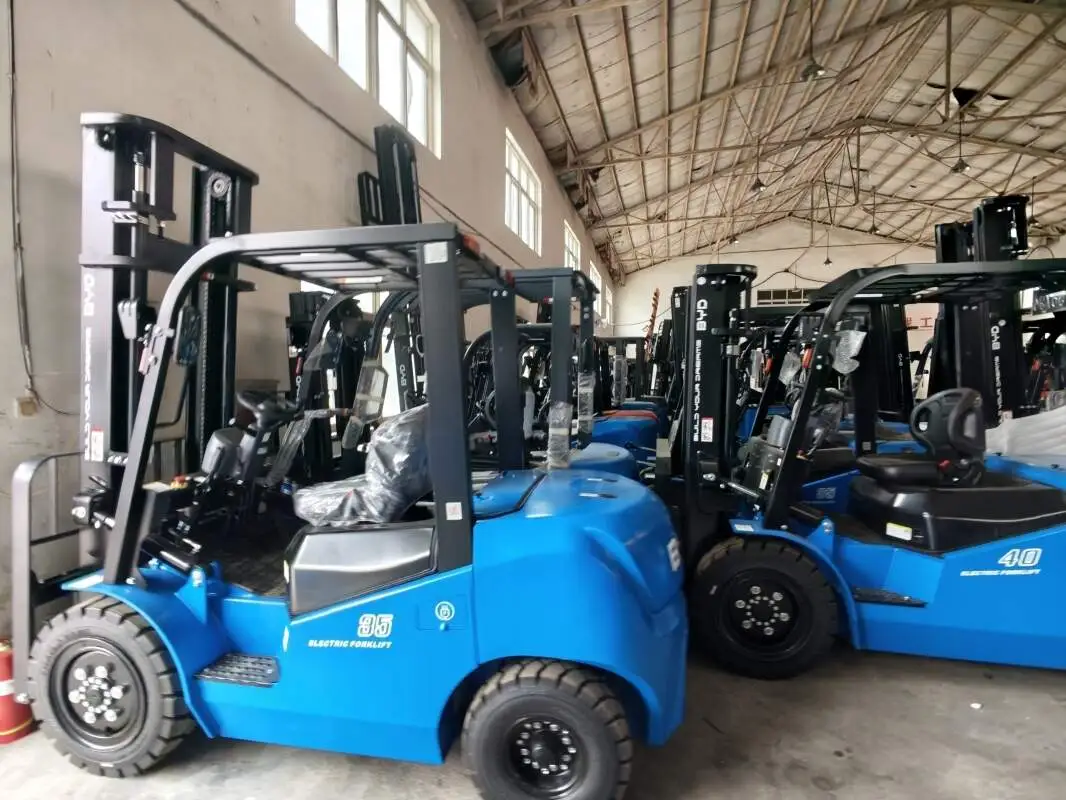
In the forklift machine procurement process, the first task is to check the matching degree between the configuration of the whole machine and the actual operation needs, such as whether the power type is suitable for the environmental protection requirements of the warehouse, whether the carrying capacity meets the needs of cargo handling, and whether the operation height covers the storage shelf level. Secondly, it is necessary to inspect the reliability of the equipment, understand the performance indicators and service life of the core components, pay attention to the failure rate data of the equipment, and ensure that the equipment can adapt to high-intensity warehousing operations. At the same time, it is necessary to clarify the delivery cycle and acceptance standards, and agree on a clear acceptance process and return and exchange mechanism for non-conforming products to avoid delivery delays or quality disputes. In addition, the implementation of after-sales guarantee clauses is the key. It is necessary to confirm the warranty period, door-to-door service scope and charging standards to ensure that timely and effective technical support can be obtained Finally, the procurement process needs to strictly follow the internal compliance process of the enterprise to ensure that all links comply with the procurement management specifications and ensure the scientific and fairness of procurement decisions.

