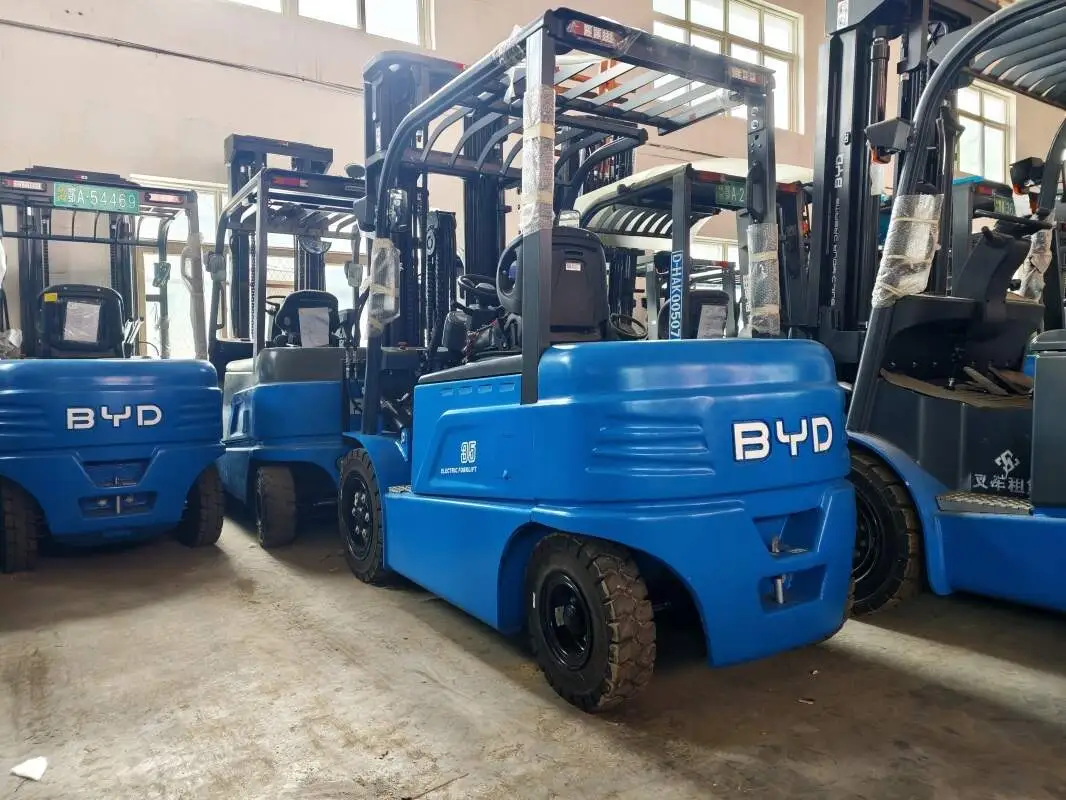
Global demand for electric forklifts is steadily growing, driven by their low carbon footprint, energy efficiency, and suitability for indoor and outdoor material handling operations. However, exporting these machines across international borders requires strict adherence to a range of certification standards designed to ensure safety, quality, and compliance with local regulatory frameworks. Understanding these requirements is crucial for manufacturers and exporters to avoid costly delays, customs rejections, and barriers to market access.
One of the most widely recognized certifications for electric forklifts is the CE marking, mandatory for all products sold within the European Economic Area (EEA). This certification confirms that the forklift meets essential health, safety, and environmental protection standards outlined in EU directives. To obtain CE marking, manufacturers must conduct thorough conformity assessments, including performance tests and risk evaluations. Key directives applicable to electric forklifts include the Machinery Directive (2006/42/EC), which covers mechanical safety, and the Electromagnetic Compatibility (EMC) Directive (2014/30/EU), ensuring the vehicle does not interfere with nearby electronic devices. Technical documentation, such as design schematics, test reports, and user manuals, must be maintained and made available to EU authorities upon request.
For exporting to the North American market, compliance with U.S. Environmental Protection Agency (EPA) regulations is a critical requirement. While electric forklifts produce zero tailpipe emissions, they still need to meet EPA standards related to battery components and energy efficiency. The EPA focuses on ensuring that battery systems do not contain restricted hazardous materials, such as certain heavy metals, and that the forklift meets established energy conservation guidelines. Exporters must provide valid documentation proving compliance with these standards to clear customs and gain access to the U.S. and Canadian markets.
International Organization for Standardization (ISO) standards offer a globally recognized benchmark for electric forklift quality and safety. ISO 1217 is a core standard that specifies safety requirements for industrial trucks, including electric forklifts, covering aspects like structural integrity, braking systems, operator visibility, and load handling capabilities. ISO 9001, meanwhile, focuses on quality management systems, demonstrating a manufacturer’s ability to consistently produce products that meet customer and regulatory expectations. Obtaining ISO certifications not only ensures compliance but also enhances a company’s credibility, making it easier to enter diverse global markets.
Beyond these global certifications, many regions have their own specific requirements. In Australia, electric forklifts must comply with Australian Standard AS 2359, which sets out detailed safety and performance criteria for industrial trucks. In Japan, exporters need to adhere to the Industrial Safety and Health Law, which mandates testing and approval by authorized local bodies. In Southeast Asian markets like Singapore and Malaysia, local regulatory agencies may require additional safety certifications and emissions checks tailored to their specific environmental and occupational safety regulations. Exporters should proactively research and engage with local authorities or third-party certification bodies to identify all region-specific requirements well in advance of shipping.
To streamline the export process, exporters should follow a structured compliance workflow. Start by identifying the target market’s certification requirements early in the production phase to incorporate necessary design and testing adjustments. Conduct internal audits and pre-tests to verify compliance before engaging third-party certification bodies for formal assessments. Maintain organized records of all certifications, test reports, and technical documentation, as these will be required by customs officials, importers, and regulatory agencies. Additionally, stay updated on any changes to certification standards, as regulations may evolve to address new safety or environmental concerns.
In conclusion, exporting electric forklifts requires a thorough understanding of diverse international and regional certification standards. CE marking, EPA compliance, ISO standards, and region-specific certifications are all essential components of a successful export strategy. By prioritizing compliance, manufacturers and exporters can navigate global markets with confidence, build trust with overseas customers, and capitalize on the growing demand for sustainable material handling solutions.