
 简体中文
简体中文 繁体中文
繁体中文 Deutsch
 日本語
日本語 한국어
한국어 Tiếng Việt
 Русский
 ไทย
ไทย Bahasa Indonesia
 Bahasa Melayu
 Filipino
 لالعربية
 Français

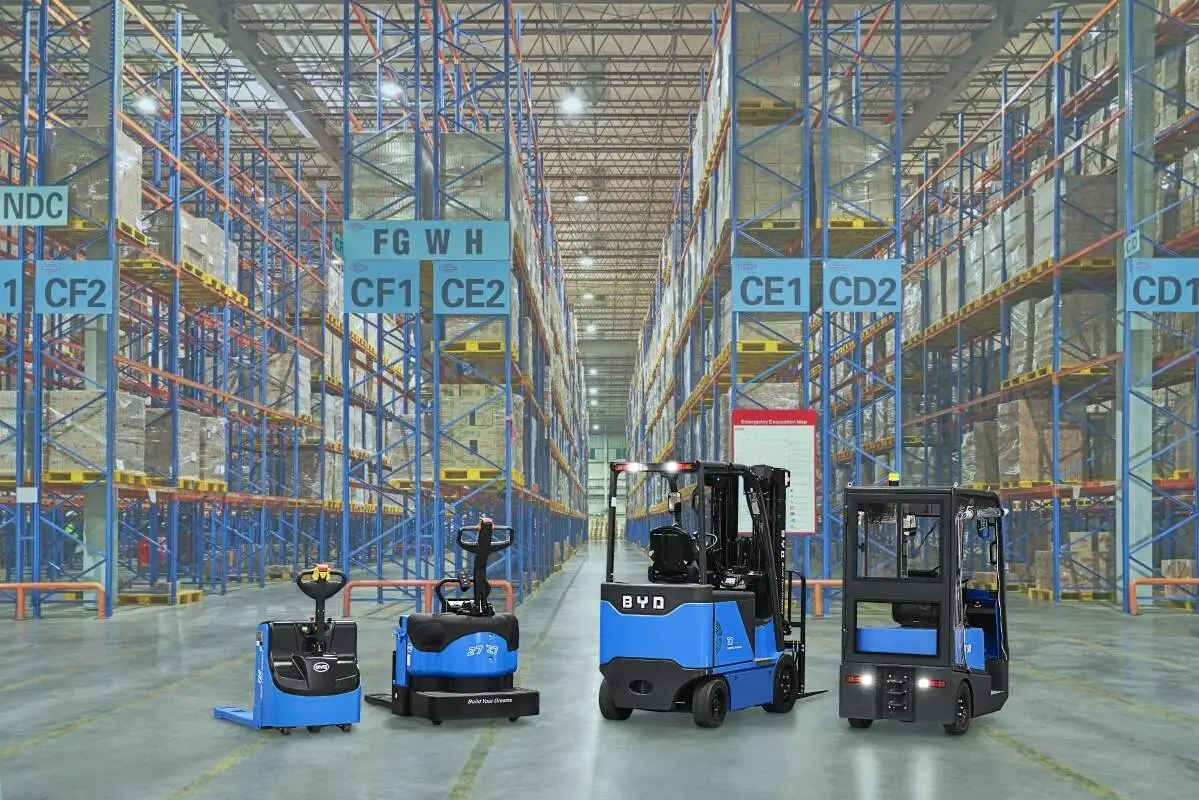
In enterprises with medium and low production and operation scale, the daily demand for cargo handling of about 1.5 tons is more common, such as the short barge medium and low-level shelf access of finished products working in progress. In such scenarios, if you directly purchase new equipment, you often need to invest a lot of money at one time, and then you have to bear the cost of regular maintenance and spare parts storage for idle depreciation; if you rely on manual handling or temporary rental of human forklifts, the efficiency is difficult to match the stable production and operation rhythm. At this time, choosing a suitable 1.5-ton lithium-ion forklift leasing plan has become a feasible way for many enterprises to optimize the handling process and control costs.
Leasing is more cost-effective than direct procurement. First of all, it can reduce the expenditure of one-time large funds in the early stage, which can be reserved for the expansion of production raw material procurement business or other core operation links to reduce the financial pressure of enterprises. Secondly, the ownership of leased equipment belongs to the lessor, and small and medium-sized enterprises do not need to bear the risk of depreciation after the equipment is idle, nor do they need to set up separate equipment maintenance positions, which reduces long-term human and material investment.
The 1.5-ton lithium battery forklift leasing plan provided by regular leasing providers usually includes several practical modules. Most of them will have flexible lease options. According to the company's phased orders, temporary projects or long-term stable needs, different forms such as daily rent, weekly rent, monthly rent, quarterly rent and annual rent can be selected to avoid the waste of resources caused by equipment being idle for a long time. In terms of supporting services, many plans will cover daily on-site maintenance, reasonable replacement of wearing parts and quick replacement of spare equipment in the event of failure, to ensure the continuity of the company's daily handling operations.


