
 简体中文
简体中文 繁体中文
繁体中文 Deutsch
 日本語
日本語 한국어
한국어 Tiếng Việt
 Русский
 ไทย
ไทย Bahasa Indonesia
 Bahasa Melayu
 Filipino
 لالعربية
 Français

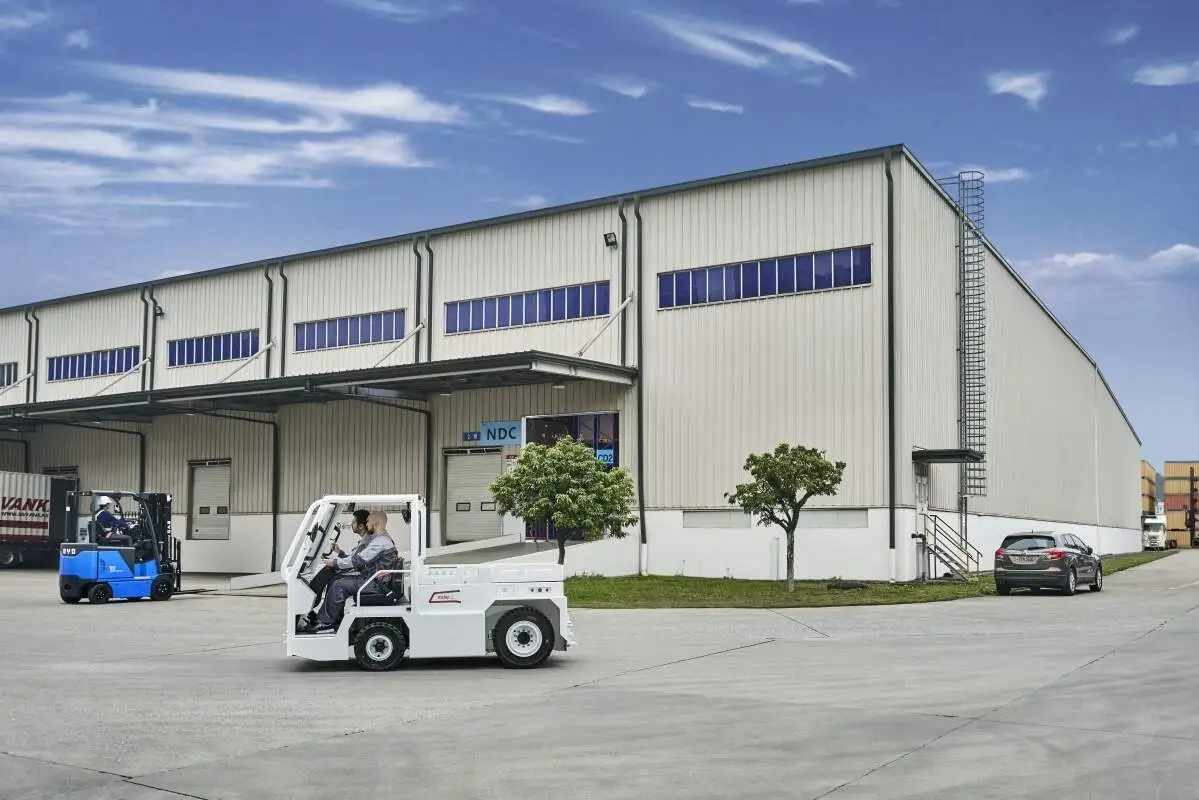
In the petrochemical industry, dangerous goods storage and other operating environments with flammable and explosive media, explosion-proof lithium forklifts are the key equipment to ensure the safety and efficiency of material handling. Explosion-proof lithium forklifts of different tonnages have obvious differences in parameter characteristics and applicable scenarios. Reasonable selection can effectively improve the safety and economy of operations.
Characteristics of core parameters of explosion-proof lithium forklifts of different tonnages
The load capacity of a 1-ton explosion-proof lithium-ion forklift is maintained at the 1-ton level, with a compact body design, a small steering radius, and a narrow working channel; the battery life can meet the needs of routine operations for about 8 hours, and the explosion-proof level meets the basic protection standards for dangerous places. It can meet the operating requirements of common flammable and explosive gas environments.
The 2 to 3-ton explosion-proof lithium-ion forklift combines flexibility and load-bearing capacity, with a load range of 2 to 3 tons, and a battery life suitable for about 10 hours of continuous operation. The explosion-proof grade is higher, and it can cope with a variety of mixed flammable and explosive media. The complex environment, the body size is moderate, and it can be adapted to most standard operating channels, balancing space adaptability and load-bearing requirements.
4 to 5 tons of explosion-proof lithium-ion forklifts are large-tonnage explosion-proof models, with a load range of 4 tons to 5 tons, and a battery life of about 12 hours. They can operate stably in high-risk, flammable and explosive environments with a strong body structure and a slightly larger steering radius, making them more suitable for open operating areas.
Comparison of usage scenarios of different tonnage models
The 1-ton explosion-proof lithium battery forklift is mainly suitable for working scenarios in small spaces, such as small chemical raw material warehouses and laboratory reagent storage areas. It is used for the handling and transfer of lightweight flammable and explosive materials, and can flexibly shuttle through narrow channels to avoid space restrictions affecting operation efficiency and ensure the safe flow of materials in a small range of high-risk environments.
2 to 3 tons of explosion-proof lithium-ion forklifts are widely used models, suitable for medium-sized chemical production workshops, dangerous goods logistics transit warehouses, and for the transfer of medium-weight barrels of chemical materials and packaging dangerous goods. They can meet the requirements of material turnover in the workshop and the loading and unloading of warehouses to transportation vehicles, and are suitable for most conventional dangerous operation scenarios.
4 to 5 tons of explosion-proof lithium-ion forklifts are suitable for large-scale dangerous goods storage yards and port dangerous goods loading and unloading areas. They are used for heavy container loading and bulk handling of large-tonnage flammable and explosive materials. They can withstand high-intensity operation requirements and play an efficient carrying capacity in open operating areas to ensure the safety and efficiency of large-scale loading and unloading operations in high-risk environments.
When selecting a model, enterprises need to consider factors such as the size of their own operating environment, material weight, and explosion-proof grade requirements to match the corresponding tonnage of explosion-proof lithium-ion forklifts to ensure that the equipment performance is highly compatible with the needs of the operation.


