
 简体中文
简体中文 繁体中文
繁体中文 Deutsch
 日本語
日本語 한국어
한국어 Tiếng Việt
 Русский
 ไทย
ไทย Bahasa Indonesia
 Bahasa Melayu
 Filipino
 لالعربية
 Français

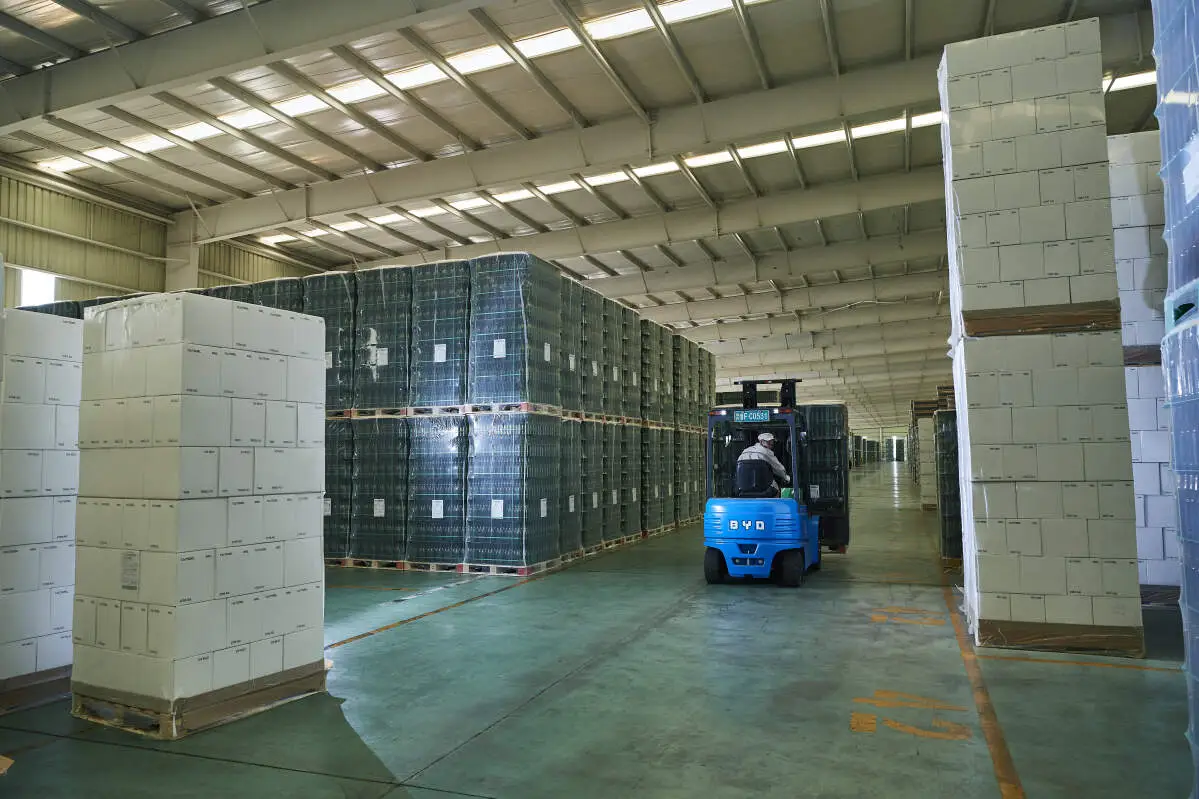
In the flammable and explosive working environment, explosion-proof lithium forklift is the key equipment to ensure the safety of material handling. As two mainstream explosion-proof types, flameproof type and intrinsically safe type have significant differences in their structural design, which directly affects the explosion-proof performance and applicable scenarios of the equipment.
Differences in core explosion-proof components
The core explosion-proof component of the explosion-proof lithium battery forklift is the explosion-proof shell, which completely wraps the electrical components that may generate sparks and arcs. The shell has sufficient mechanical strength, even if there is an internal explosion, the explosion energy can be limited inside the shell, and it will not cause the combustion or explosion of the external flammable and explosive medium. The joint surface of the shell is specially processed, and the width and length of the gap strictly meet the standards to prevent the explosion flame from spreading outward through the gap.
The intrinsically safe type explosion-proof lithium battery forklift takes the safety barrier as the core component. The safety barrier can limit the energy in the circuit to ensure that under normal operation or failure conditions, the electric sparks and thermal effects generated by the circuit will not reach the threshold of igniting flammable and explosive media. In addition, the electrical components of the intrinsically safe type equipment have also been specially selected, and their own energy release level is strictly controlled within the safe range.
Circuit system design differences
The circuit system design of the flameproof forklift is more focused on isolation protection. In addition to relying on the flameproof shell, the protection level of the circuit itself is also higher. Some key circuits will be set with overload and short circuit protection devices, but the overall circuit energy is not strictly limited. The limited viewership of energy is limited, but the physical protection of the shell is used to block the path of explosion propagation.
The circuit system of the intrinsically safe forklift runs through the design idea of limited viewership of energy. From the power supply to each power component, energy control is carried out through the safety barrier to ensure that the energy of each circuit node is below the safe value. At the same time, the intrinsically safe circuit will avoid the use of high-energy components, and isolation measures will be taken during wiring to prevent energy interference between different circuits from causing danger.
Overall protective structure differences
The overall structure of the flameproof forklift pays more attention to the robustness of the shell. In addition to the flameproof shell of the electrical components, some mechanical parts of the forklift, such as the motor shell and battery box, will also be made of high-strength materials. Some parts will also add protective layers to prevent external force collisions from causing damage to the shell and affecting the explosion-proof performance. In addition, the ventilation structure design of the flameproof forklift will also consider the needs of explosion protection to avoid flammable and explosive gases from entering the shell.
The overall structure of the intrinsically safe forklift is more lightweight and refined. Since it does not require a heavy flameproof shell, the weight of the equipment is relatively light, making it easy to operate in a narrow working environment. Its protection focuses on the sealing and stability of components. Batteries, motors and other components will be sealed to prevent the intrusion of external flammable and explosive media, while reducing the risk of internal energy leakage.
In summary, the structural differences between explosion-proof and intrinsically safe lithium-ion forklifts stem from different explosion-proof principles. The explosion-proof type relies on physical isolation to achieve explosion-proof, which is suitable for environments with high explosion risk; the intrinsically safe type achieves explosion-proof through energy limitation, which is more suitable for scenarios that require equipment flexibility. Understanding these structural differences will help enterprises choose the right explosion-proof lithium-ion forklift according to their own operating environment.


