
 简体中文
简体中文 繁体中文
繁体中文 Deutsch
 日本語
日本語 한국어
한국어 Tiếng Việt
 Русский
 ไทย
ไทย Bahasa Indonesia
 Bahasa Melayu
 Filipino
 لالعربية
 Français

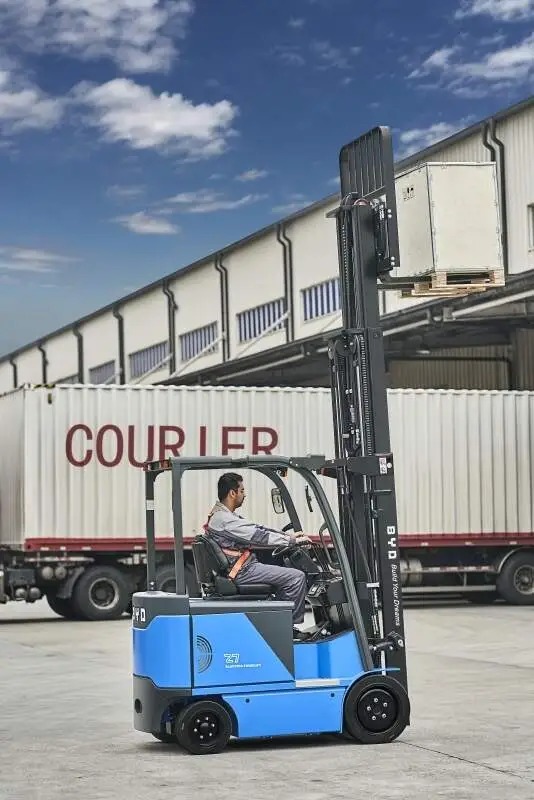
As a commonly used handling equipment for industrial warehousing, the stable operation of 5-ton lithium-ion forklifts is inseparable from standardized replacement of parts and daily maintenance. Reasonable maintenance and timely replacement of parts can effectively reduce the probability of failure, prolong the overall service life of the equipment, and ensure the safety of the operation process.
For the replacement of common core accessories of 5-ton lithium forklifts, it is necessary to confirm the problem and follow the standard steps. First, the maintenance and replacement of the battery related auxiliary accessories, such as the dust and waterproof cover at the battery joint, and the connection bolts. If the dust cover is damaged, ash leakage and water ingress, and the bolt rust is loose, the total power supply of the vehicle should be cut off first, the dust or oxide layer remaining in the joint should be cleaned, and then the suitable dust cover and bolts should be replaced. After installation, check again whether the connection is fastened and reliable. Secondly, wear and tear-prone walking parts, such as drive wheels and load-bearing wheels, if the tire tread wear exceeds the safety line, wheel hub deformation or abnormal bearing noise occurs, the vehicle should be parked on a flat and hard ground and parking braking should be done well. Replace the tire or bearing assembly of the corresponding specification according to the vehicle structure description. After installation, an empty-load short-distance driving test is required to confirm that there is no abnormality in operation.
Daily maintenance needs to be carried out in an orderly manner according to the cycle, which can be divided into daily inspection, weekly inspection and monthly inspection. Daily inspection should be completed before each operation, mainly to check whether there are obvious collision marks on the appearance of the vehicle, whether the tire pressure meets the requirements, whether the parking brake is effective, whether the response of the operating handle and pedal is smooth, and whether the power is sufficient. Weekly inspection can be carried out at a fixed time every week. In addition to covering the content of daily inspection, it is also necessary to check whether there is water and dust accumulation inside the battery compartment, clean the battery surface and check whether the voltage of the single unit is within the normal range, check whether the tie rod ball head of the steering system is loose, and check whether there are leakage marks in the pipeline of the hydraulic system. The monthly inspection needs to be more detailed and comprehensive. It can check whether the bolts and nuts of each connecting part of the body are loose and tightened, check the wear of the brake pads of the brake system, and replace them if necessary. Check the oil level and oil status of the hydraulic oil. If the oil level is too low, you need to add the same type of hydraulic oil. If the oil turns black and deteriorates, you need to replace it in time.
During the operation, it is also necessary to pay attention to the operating specifications to avoid accelerating the wear and tear of accessories due to improper operation, such as not overloading and handling goods, not driving on uneven ground for a long time, and not making sudden stops.


