
 简体中文
简体中文 繁体中文
繁体中文 Deutsch
 日本語
日本語 한국어
한국어 Tiếng Việt
 Русский
 ไทย
ไทย Bahasa Indonesia
 Bahasa Melayu
 Filipino
 لالعربية
 Français

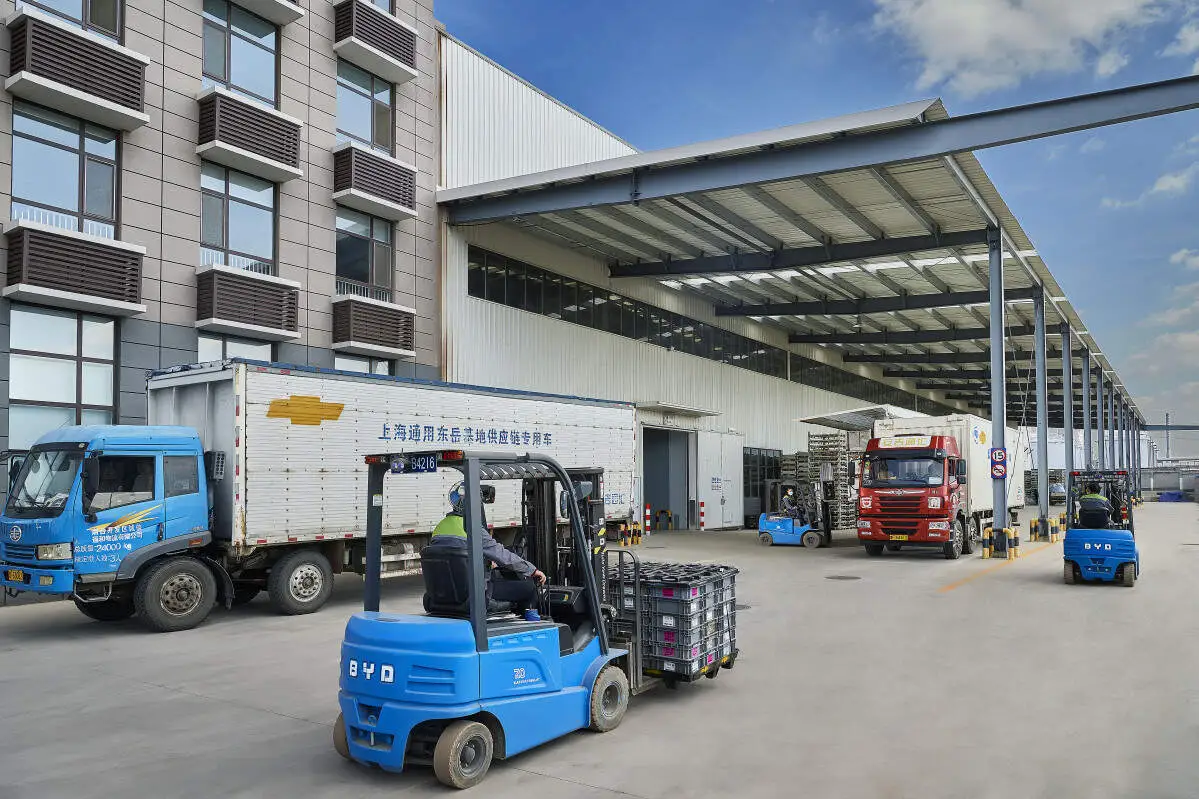
In the same city logistics distribution, warehouse inventory, cargo loading and unloading and other temporary operation scenarios, 5-ton lithium-ion forklifts have become a short-term rental choice for many enterprises and self-employed households due to their stable power, flexible battery life, and clean use. The following is a detailed introduction to the service process of short-term rental of 5-ton lithium-ion forklifts in the same city.
The first step is demand confirmation. Users can contact the rental service provider by phone, online platform or offline store to inform the core information such as operation time, operation location, weight and size of goods, flatness and space size of the operation site. Some service providers will also provide door-to-door survey services to confirm the slope, channel width, turning radius and other details of the site to avoid affecting the use of vehicles due to site factors.
The second step is the qualification review. The leasing party needs to provide a copy of the business license or personal valid ID, and in some cases, it may also need to provide relevant certificates of the operation site to ensure the compliance of the leasing behavior. After the review is passed, the service provider will enter the follow-up link.
The third step is vehicle selection. According to the needs submitted by the user and the survey results, the service provider will recommend a suitable 5-ton lithium-ion forklift, including options such as body size, battery type, battery life, and accessory configuration. Users can check the vehicle condition on the spot or online to confirm that the vehicle performance meets the operation requirements.
The fourth step is to sign the contract. Both parties negotiate the lease time, rental fee, deposit amount, vehicle usage specifications, insurance liability, maintenance scope, etc., and sign a written contract after reaching an agreement. Before signing, users should read the contract terms carefully, especially the part about deposit refund and vehicle damage compensation, to avoid subsequent disputes.
The fifth step is to deliver it for use. The service provider will deliver the 5-ton lithium battery forklift that has passed the inspection to the user at the agreed time and place, and arrange professionals to provide on-site operation guidance to explain the basic operations such as starting, braking, lifting, and charging of the vehicle, as well as safety precautions. Both parties will jointly check and accept the appearance, interior, battery power, and status of attachments of the vehicle, and sign the delivery confirmation form after confirming that it is correct.
The sixth step is to settle the return. After the lease expires, the user needs to clean the vehicle and park it at the agreed return location. The service provider will re-inspect the vehicle to confirm that there is no damage or missing attachments, deduct the agreed rental fee, and refund the remaining deposit to the user within the specified time.


