
 简体中文
简体中文 繁体中文
繁体中文 Deutsch
 日本語
日本語 한국어
한국어 Tiếng Việt
 Русский
 ไทย
ไทย Bahasa Indonesia
 Bahasa Melayu
 Filipino
 لالعربية
 Français

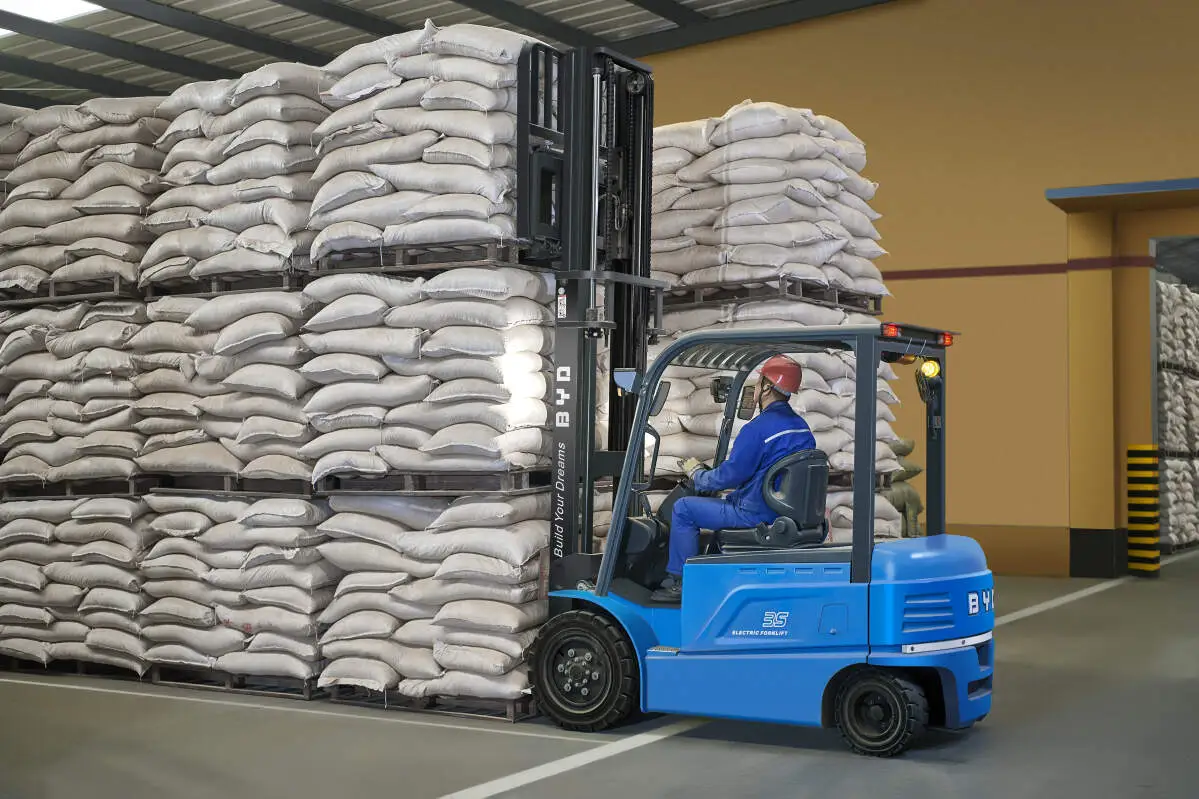
Before purchasing 5-ton lithium-ion forklifts in batches, doing a good job of EIA compliance connection is a key link for enterprises to successfully upgrade their material handling equipment and avoid later rectification. First of all, it is necessary to complete the pre-docking of the project EIA. Enterprises need to sort out the usage scenarios, daily operation time, charging frequency and charging area planning of the 5-ton lithium-ion forklifts after purchase in advance, and judge whether the new equipment belongs to the original EIA coverage according to the existing project EIA documents or regional planning EIA requirements. If it belongs to the coverage, the basic parameters of the equipment need to be collected and prepared to report to the ecological and environmental department; if it exceeds the coverage, they need to consult the local ecological and environmental authority to determine whether it is necessary to supplement the EIA report or fill in the environmental impact registration form.
Secondly, it is necessary to confirm the environmental compliance of the purchased vehicle. When choosing a 5-ton lithium-ion forklift, the company should require the supplier to provide the complete environmental compliance documents of the vehicle, including the part of the vehicle type test report involving environmental performance, the battery test report that meets the requirements of national or local standards, and the relevant certificates of vehicle emissions. At the same time, the official environmental protection vehicle inquiry platform can verify whether the vehicle is included in the compliance catalog.
Finally, it is necessary to synchronize the planning of supporting environmental protection measures for the site. The charging area is an environmental protection link that needs to be paid attention to in the use of 5-ton lithium-ion forklifts. Enterprises should choose well-ventilated areas with waterproof and anti-seepage conditions to set up charging facilities, and be equipped with fire-fighting equipment, emergency lighting and ventilation devices as required. Waste batteries generated during the charging process need to be recycled by qualified units, and cannot be discarded or disassembled at will. During daily use, vehicle maintenance should be strengthened to avoid battery leakage and other situations, and reduce the impact on the surrounding environment.


