
 简体中文
简体中文 繁体中文
繁体中文 Deutsch
 日本語
日本語 한국어
한국어 Tiếng Việt
 Русский
 ไทย
ไทย Bahasa Indonesia
 Bahasa Melayu
 Filipino
 لالعربية
 Français
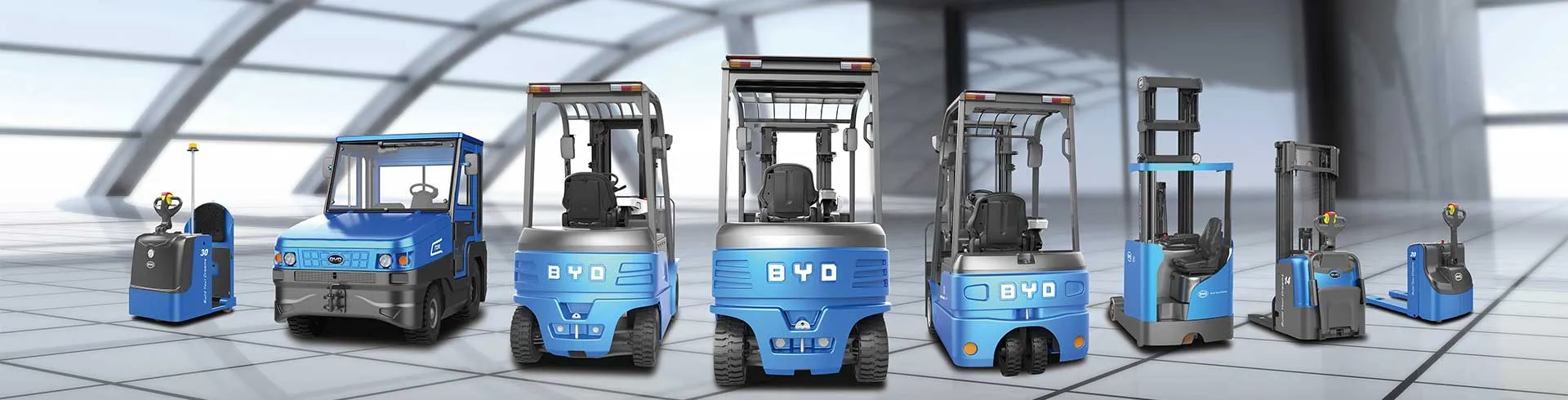
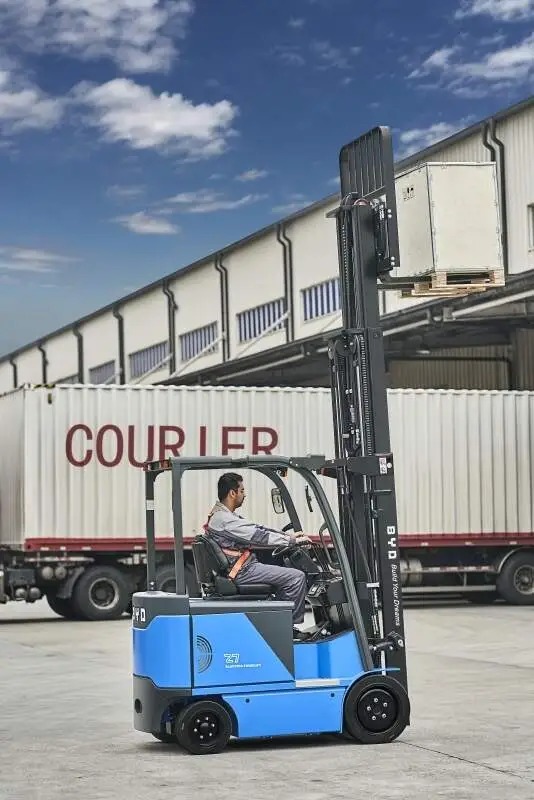
With the deepening of the concept of green environmental protection and the improvement of energy cost management requirements, more and more manufacturing, warehousing and logistics enterprises have begun to pay attention to the replacement of fuel forklifts in the factory area. Among them, the proportion of 5-ton handling operations is generally high. Therefore, it is particularly important to do a good job in the adaptation planning of 5-ton lithium-ion forklifts.
First of all, it is necessary to clarify the adaptation scenario of the 5-ton lithium-ion forklift. Enterprises need to first sort out the operation process of the current 5-ton fuel forklift in the factory area, including the average daily operation time, the single handling weight range, the slope and distance of the main driving route, the temperature and humidity of the operation area, and whether there are special environments such as flammable and explosive. Under normal circumstances, ordinary metal processing, machinery manufacturing, finished product warehousing and other operation scenarios, if the average daily continuous operation time is within a reasonable range and there are no extreme special requirements, it is more suitable to adapt to the 5-ton lithium-ion forklift. For some scenarios that require continuous operation for 24 hours, spare battery packs or fast charging equipment can be considered to avoid affecting production due to charging interruptions.
The second is to plan a reasonable replacement rhythm. Enterprises can replace in batches according to the service life of their fuel forklifts, maintenance frequency, and existing budget. Priority is given to replacing old vehicles with long service life, frequent failures, and high fuel consumption. This can not only quickly reduce energy and maintenance costs, but also observe the actual operation performance of 5-ton lithium-ion forklifts in the factory area through initial small-scale trials, collect feedback from operators, and accumulate experience for subsequent large-scale replacements. If the budget is sufficient and the existing fuel trucks are approaching the end of their lifespan, you can also choose to replace the vehicles in the core operation area at one time, and then gradually expand to other auxiliary areas.
Then there is the planning of supporting charging facilities. Enterprises need to set the number and layout of charging piles reasonably in combination with the operation route, parking position and battery charging requirements of 5-ton lithium-ion forklifts. Priority is given to setting charging points near the starting point and end point of forklift operation and the lunch break area, so that operators can use fragmented time to replenish power. At the same time, to ensure that the circuit load in the charging area meets the requirements, the circuit of the factory area can be properly modified if necessary, and enough safety space should be reserved. Eye-catching safety signs should be set to avoid safety accidents. For vehicles using fast charging mode, the charging time should be reasonably arranged to avoid overloading the circuit caused by centralized charging.
Finally, it is necessary to do a good job of operation and maintenance connection. Before replacement, forklift operators can be organized to conduct operation training on 5-ton lithium-ion forklifts, so that they are familiar with the performance, operation process and precautions of the vehicle to ensure safe operation. After replacement, it is necessary to establish a complete daily maintenance system for 5-ton lithium-ion forklifts, regularly check the status of key components such as batteries, motors, controllers, etc., find and solve problems in time, and prolong the service life of the vehicle. At the same time, a special person can be arranged to be responsible for the management of the battery, including the charging, replacement, storage of the battery, etc., to ensure that the battery is in good working condition.


