
 简体中文
简体中文 繁体中文
繁体中文 Deutsch
 日本語
日本語 한국어
한국어 Tiếng Việt
 Русский
 ไทย
ไทย Bahasa Indonesia
 Bahasa Melayu
 Filipino
 لالعربية
 Français

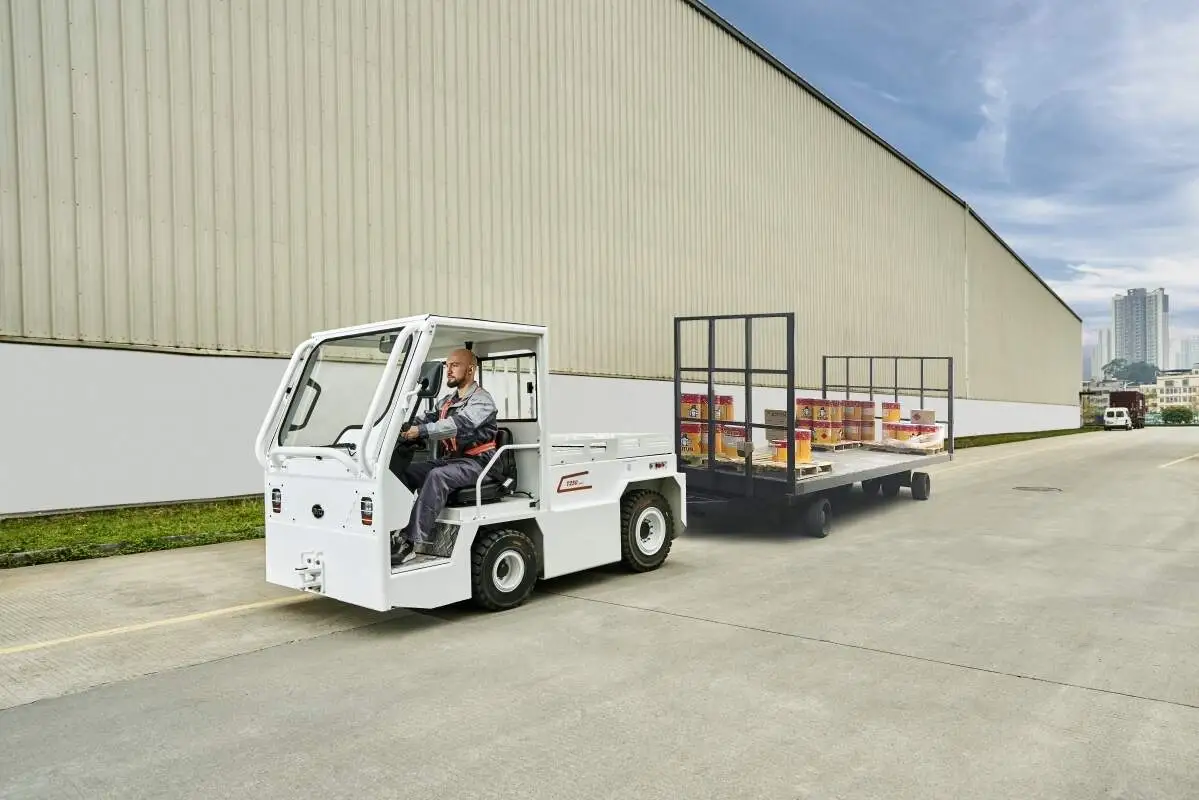
In the warehousing and logistics industry, the ride-on electric forklift is a common handling equipment in many warehouses and factories due to its flexible operation and low pollution. With the development of battery technology, the ride-on electric forklift of lithium iron phosphate has gradually entered the public's field of vision. Today, let's talk about its core advantages and the details that need to be paid attention to in daily maintenance.
The core advantages of lithium iron phosphate ride-on electric forklifts
Charging and discharging is more worry-free and efficient for daily use. The charging speed of this battery is relatively fast, and some conventionally configured devices can be charged from low to high power in a short time, reducing the time gap waiting for charging. At the same time, its discharge depth performs well, and in most cases it can meet the continuous needs of daily handling operations. There is no need to worry about the lack of power affecting the work progress frequently.
Compared with some traditional battery types, lithium iron phosphate materials have higher thermal stability. Under normal use and storage conditions, it is not easy to cause failures due to overheating and other problems. It can also adapt to temperature changes within a certain range. Whether it is the high temperature environment in the southern summer or the indoor storage space in the northern winter that is not extremely cold, most of them can operate stably, suitable for indoor and outdoor scenes where a variety of goods are handled.
Daily use and maintenance tips
Reasonably control the charging time and power. In daily use, try to avoid low booster charging of the battery, and do not overcharge. After the charging device prompts that the power is sufficient, disconnect the power supply in time. This can reduce the loss of the internal structure of the battery and prolong the service life of the battery. At the same time, use the supporting charging equipment when charging, and do not replace other specifications of chargers at will, so as not to affect the charging effect or cause battery damage.
Regularly clean the battery and charging interface. After a period of use, the surface of the battery and charging interface may accumulate dust, oil or water stains, so gently wipe it with a clean soft cloth in time. Be careful not to use corrosive cleaners when cleaning, and do not let water enter the interface to prevent short circuits, poor contact, etc.
Standardize the parking and use environment. When parking the vehicle, try to choose a dry, ventilated area away from direct sunlight, and do not park in a humid or water-filled place. During daily use, avoid the vehicle being on a bumpy and excessive road surface for a long time, and reduce vibration damage to the vehicle's overall components and batteries.


