
 简体中文
简体中文 繁体中文
繁体中文 Deutsch
 日本語
日本語 한국어
한국어 Tiếng Việt
 Русский
 ไทย
ไทย Bahasa Indonesia
 Bahasa Melayu
 Filipino
 لالعربية
 Français

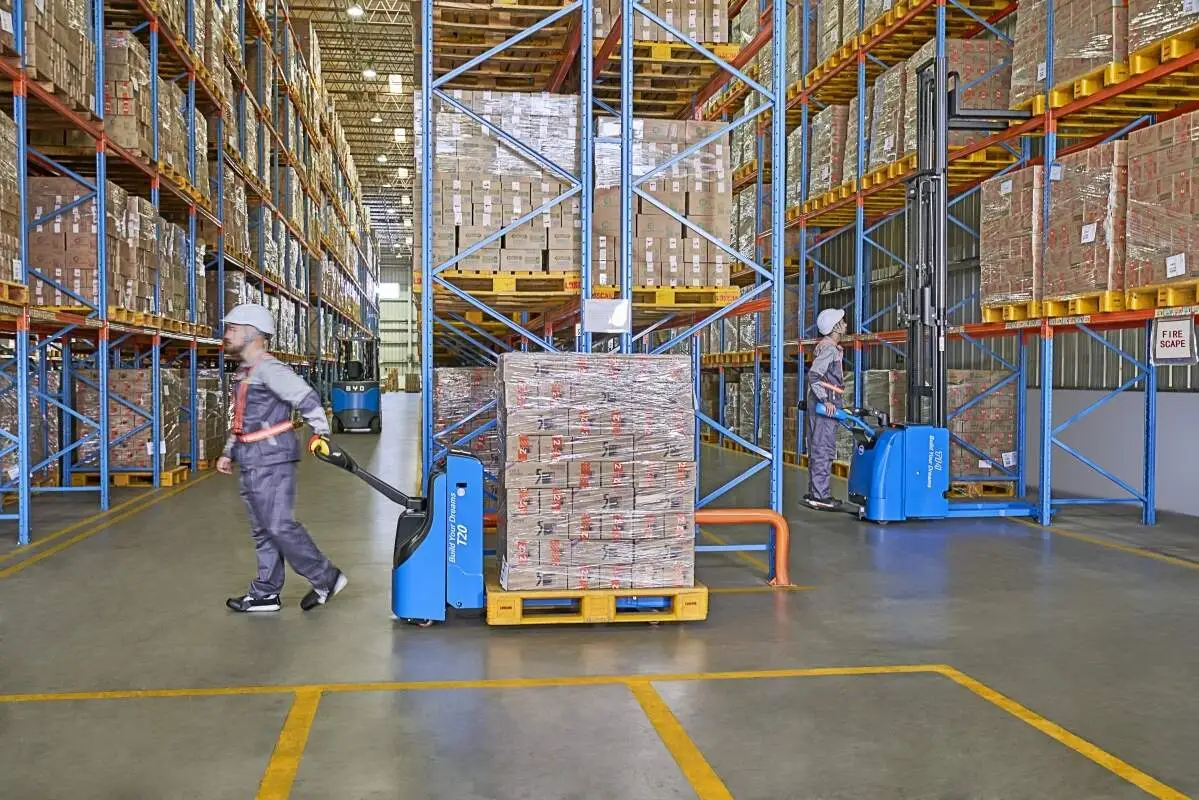
With the increasing demand for cost reduction and efficiency in warehousing and logistics, many warehouses will face the choice of equipment iteration, either replacing old and new forklifts, or replacing existing fuel or lead-acid electric forklifts with oil and lithium batteries. As a professional in the field of electric forklifts, it is recommended to complete the evaluation from your own actual situation first, and then proceed step by step.
Pre-scenario and feature review are the key to the first step. Sorting out the existing operation needs to cover many aspects, such as recording the type of existing forklift, whether it is a fuel truck or a lead-acid electric vehicle, how long it has been in use, the average daily continuous working time, whether the operating environment is a room temperature flat storage or a cold chain high shelf, the maximum weight and lift height of daily handling, and the actual width of the working channel. These data can help clarify the direction of the upgrade and the adaptation requirements. Cost-benefit analysis is also very important to compare the investment and long-term returns of different solutions. For example, fuel vehicles have costs such as fuel, exhaust gas treatment, and regular engine maintenance. Lead-acid electric vehicles have problems such as adding water, replacing battery packs regularly, and occupying charging sites for a long time. Reasonable calculation of the recovery period for oil replacement or direct replacement of new vehicles.
There are several core steps to take in the replacement of old and new forklifts in the warehouse. The disposal of existing forklifts needs to be in compliance. If the vehicle is in good condition, you can contact a qualified second-hand equipment evaluation agency to determine the residual value and resell it. If the scrapping conditions are met, it should be handled according to the industrial equipment scrapping process to avoid environmental protection problems caused by random discarding. When selecting and adapting a new car, in addition to referring to the operation data combed in the early stage, we should also pay attention to the selection of products that meet national safety standards, pay attention to whether the battery life can meet the single-day or even small excess operation needs, the stability of core components such as the lifting system and steering system, and whether there is a perfect after
There is also a standardized process for the transformation of oil-to-lithium batteries. First of all, the vehicle adaptability inspection should be done, focusing on whether the motor, controller, frame and other core components of the existing forklift can be compatible with the voltage and power output of the lithium battery. If the components are aging seriously or do not match, it is recommended to replace the necessary parts before transformation or directly replace the car. Then choose a compliant lithium battery and supporting management system to avoid the safety hazards caused by blind transformation. Installation and commissioning should find a professional team with corresponding qualifications. After installation, it is necessary to test the core performance such as climbing ability, emergency stop response, and continuous operation battery life. After confirming that it is correct, it can be put into use. Daily use and maintenance cannot be ignored. Regularly check the appearance and interface of the battery to avoid overcharging or discharging in extreme temperature environments.


