
 简体中文
简体中文 繁体中文
繁体中文 Deutsch
 日本語
日本語 한국어
한국어 Tiếng Việt
 Русский
 ไทย
ไทย Bahasa Indonesia
 Bahasa Melayu
 Filipino
 لالعربية
 Français

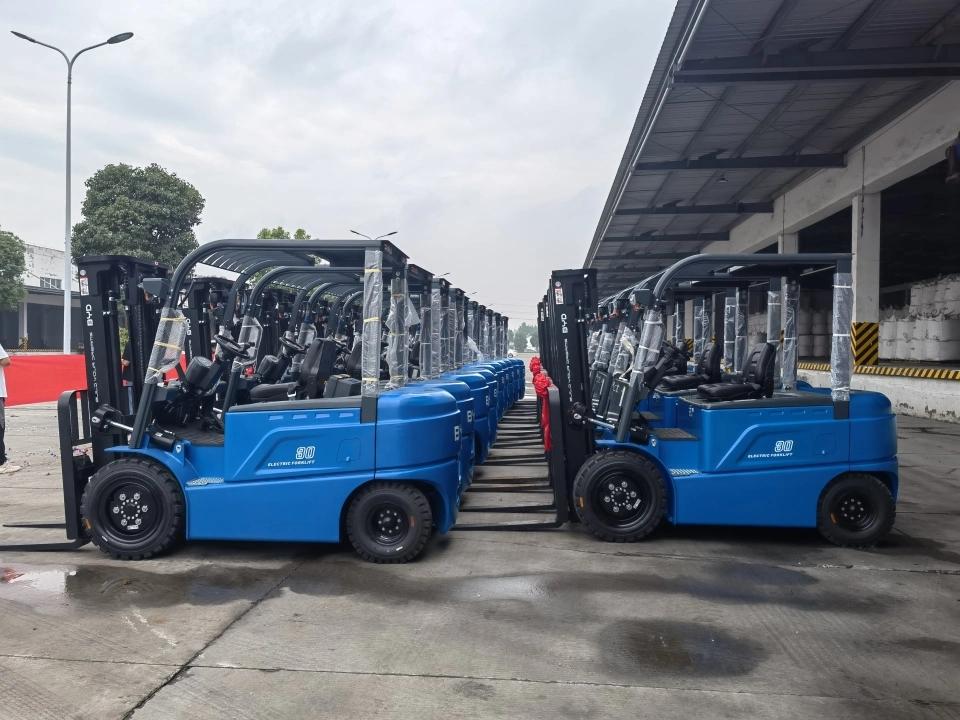
In special scenarios such as chemical industry, medicine, storage of flammable and explosive items, compliant explosion-proof condition handling equipment is one of the core tools to ensure production safety. Among them, lithium-ion ride-on explosion-proof forklifts have gradually become the mainstream choice for such scenarios due to their flexible operation, stable battery life and low maintenance costs. However, when purchasing, it is necessary to strictly combine working conditions and compliance standards to avoid potential safety hazards caused by equipment that does not meet requirements.
The first is the general points of the purchase of explosion-proof handling equipment. The first step is to clarify the specific explosion-proof area division. According to national standards, the operation area is divided into different hazard levels, gas groups, and temperature groups. The equipment must fully match the division results, which is the basic premise of compliance. The second step is to evaluate the actual operation requirements, including the weight and size of the handling goods, the width and slope of the operation channel, and the daily operation time and frequency, in order to determine the rated load, turning radius, endurance and other parameters of the forklift. The third step is to give priority to the safety of the equipment. In addition to the explosion-proof performance, the stability of the braking system and steering system should also be considered. Whether it is equipped with warning lights, reversing prompts and other basic safety devices should be considered.
Next, focus on the exclusive compliance requirements of lithium-ion forklifts. In terms of qualification certificates, the explosion-proof certificate issued by a nationally recognized explosion-proof inspection agency must be obtained, and the certificate must be within the valid period. The explosion-proof grade, applicable scenarios and other parameters marked on the certificate must be consistent with the actual working conditions. In terms of explosion-proof structure, it is necessary to start with the overall layout and component selection. The whole vehicle needs to be closed or explosion-proof design to avoid flammable and explosive substances from entering the electrical core area. Non-metallic parts such as seats and tires need to have flame retardant or antistatic properties. Metal parts need to be grounded to prevent static electricity from accumulating and causing danger. In terms of electrical system, lithium battery pack is the key. It must be a special lithium battery certified for explosion-proof, with multiple protection functions such as overcharge, over-discharge, over-temperature, and short circuit. The battery shell is made of explosion-proof materials that are resistant to impact and corrosion. The battery compartment needs to be equipped with a pressure relief device to prevent accidents caused by excessive internal pressure. The electrical circuits of the vehicle need to use special cables that are flame retardant and shielded. The terminals need to be sealed and explosion-proof to avoid electric sparks. The compliance of use and maintenance should not be ignored. The equipment needs to be accompanied by a complete instruction manual and maintenance manual, which clarify the content and cycle of daily inspection and regular maintenance. The operator needs to undergo professional explosion-proof equipment operation training and obtain corresponding qualifications.
The purchase of compliant explosion-proof handling equipment, especially lithium-ion forklifts, requires enterprises to combine their own actual conditions, strictly compare with national standards and various requirements, and investigate from multiple dimensions to ensure that the equipment can not only meet the needs of the operation, but also escort the production safety.


