
 简体中文
简体中文 繁体中文
繁体中文 Deutsch
 日本語
日本語 한국어
한국어 Tiếng Việt
 Русский
 ไทย
ไทย Bahasa Indonesia
 Bahasa Melayu
 Filipino
 لالعربية
 Français

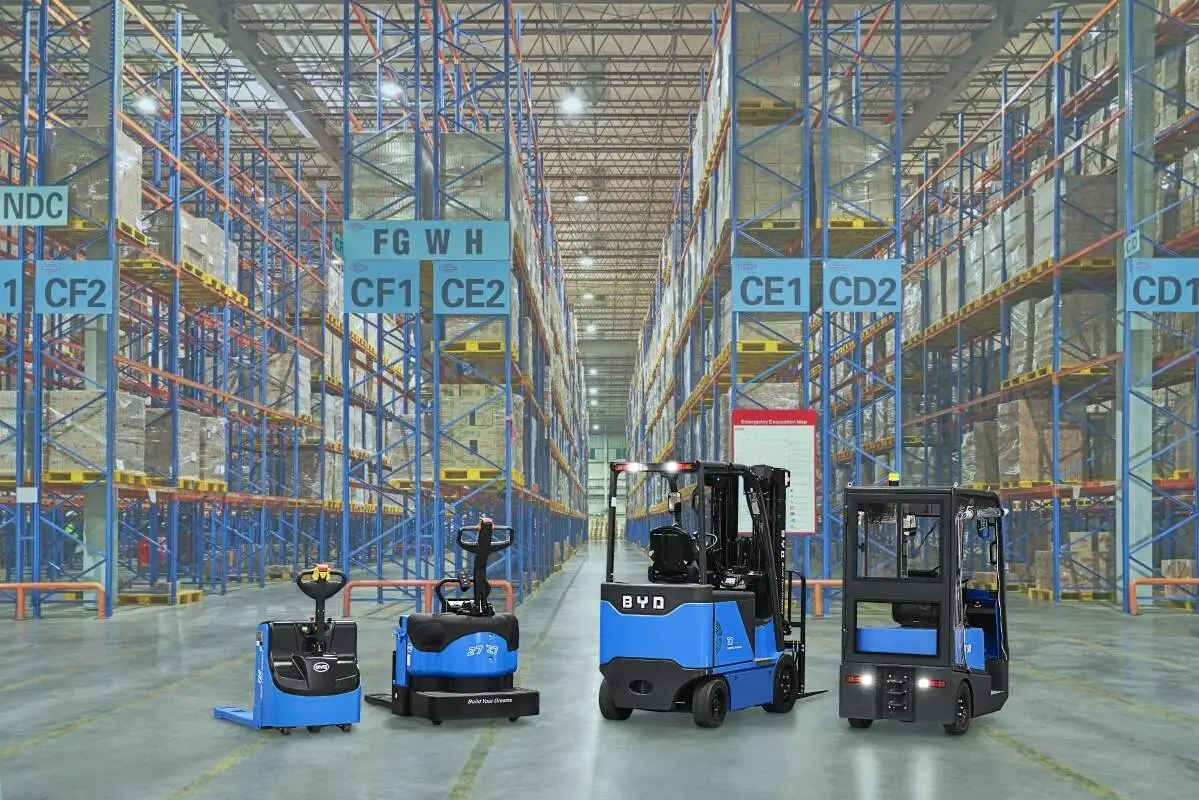
In the field of warehousing and logistics, the efficiency and stability of stacking operations directly affect the overall operation rhythm. With the upgraded electronic control configuration, the second-generation reach forklift brings a more worry-free operation experience for warehousing and stacking.
Optimize the power electronic control system to adapt to various storage conditions
Dynamic power regulation mechanism
Aiming at different operating scenarios inside the warehouse, the power electronic control system of the second-generation reach forklift is equipped with a dynamic power adjustment function, which can adjust the output power in real time according to the lifting height of the fork and the load weight. When handling lightweight goods or driving in narrow passages, the system automatically reduces power output and reduces energy consumption; while in heavy-duty stacking operations, it can quickly increase power, ensure operation efficiency, and avoid unnecessary energy waste.
Precise dynamic response control
The power electronic control system also optimizes the response speed. After the operator issues a command through the joystick, the system can complete the adjustment of the power output in a short time. Whether it is lifting, descending or steering, it can achieve a smooth connection, reduce the risk of cargo shaking, and improve the accuracy of stacking operations.
Precise positioning of electronic control configuration to improve the accuracy of stacking operations
Fork position intelligent perception
The second-generation forward forklift is equipped with a fork position intelligent sensing module, which collects the height and angle data of the fork in real time through the electronic control system, and feeds the information back to the operation panel. The operator can intuitively view the fork position, and with the auxiliary positioning function of the system, it can quickly align the shelf level when stacking, reduce the alignment error and improve the operation efficiency.
Roadway driving path guidance
In response to the operation requirements of narrow storage roadways, the electronic control system has a built-in path guidance function, combined with environmental perception data, to provide forklifts with driving path prompts to avoid colliding with shelves or other obstacles, allowing operators to work more easily in tight spaces.
Multi-dimensional safety electronic control module to build a strong line of defense
Overload warning and protection
The electronic control system is equipped with overload monitoring function. When the weight of the goods exceeds the rated load of the forklift, the system will immediately issue an early warning prompt and restrict the lifting action of the fork to prevent equipment damage or goods falling due to overload, ensuring the safety of the operation.
Emergency braking response mechanism
In an emergency situation, the emergency braking function of the electronic control system can be triggered quickly. By precisely controlling the braking components, a smooth stop can be achieved, avoiding the overturning of goods or equipment damage caused by the emergency braking, and ensuring the safety of operators and goods.
Intelligent operation and maintenance electronic control function to reduce management costs
The electronic control system of the second-generation reach forklift integrates the operation and maintenance data collection function, which can monitor the operation status of the equipment in real time, including information such as battery power and electronic control component loss, and generate operation and maintenance prompts. Managers can carry out maintenance in time according to the prompts, reduce equipment failure downtime, reduce operation and maintenance costs, and make storage Facility Management more worry-free.
The electronic control configuration of the second-generation reach forklift is upgraded from multiple dimensions of power, positioning, safety, and operation and maintenance to meet the actual needs of warehousing and stacking operations, helping operators complete operations more efficiently and safely, and providing strong support for warehousing and logistics operations.


