
 简体中文
简体中文 繁体中文
繁体中文 Deutsch
 日本語
日本語 한국어
한국어 Tiếng Việt
 Русский
 ไทย
ไทย Bahasa Indonesia
 Bahasa Melayu
 Filipino
 لالعربية
 Français

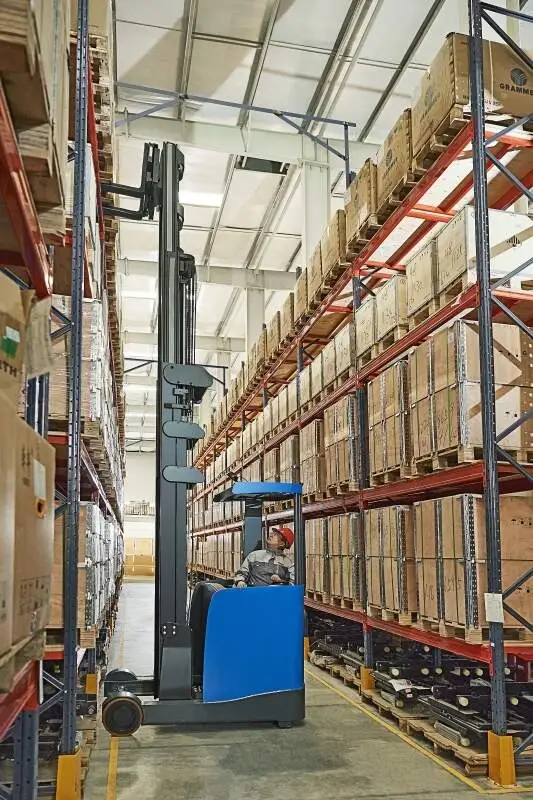
I am a practitioner in the field of electric forklifts. From the perspective of equipment operation and maintenance and user feedback in daily contact, low temperature is the main external factor for the battery life of electric forklifts in fixed or semi-fixed low temperature scenarios such as outdoor and cold storage in northern winter. If you can understand the reasons in advance and take reasonable measures, you can effectively optimize the battery life and improve the operation efficiency.
Understand the common causes of battery life attenuation of electric forklift lithium batteries in low temperature environments
The inherent characteristics of lithium batteries
The current mainstream electric forklift lithium battery is mainly composed of cathode material, anode material, electrolyte and diaphragm. When the ambient temperature drops, the viscosity of the electrolyte will increase significantly, the migration speed of ions between the positive and negative electrodes will slow down, and the ion deembedding ability of some positive electrode materials will also be affected, resulting in a reduction in the effective discharge capacity of the battery, which is manifested as a shortened cruising range.
Improper use in daily operation
In addition to the inherent characteristics, some irregular operations will also exacerbate the attenuation. For example, directly starting high-power fast charging at extremely low temperatures will cause irreversible damage to the negative electrode of the battery; not parking the vehicle in a buffer area with a certain temperature in time during operation intervals; or turning on too many unnecessary auxiliary power consumption functions when using the vehicle may further consume the effective energy of the battery.
Practical Method for Improving Battery Life of Electric Forklift Lithium Battery in Low Temperature Environment
Do a good job of basic insulation for lithium batteries
The battery can be equipped with a special thermal insulation cover suitable for the vehicle. After the operation, the vehicle and battery can be moved to a buffer room or charging area with suitable temperature in time to avoid long-term exposure to low temperature. If conditions permit, the battery can be preheated in a room temperature environment for a period of time before charging.
Standardize the charging process at low temperature
Try to charge in an environment above 0 degrees Celsius, give priority to using the slow charging mode, and disconnect the power supply in time after it is fully charged to avoid overcharging.
Rational planning of operations and control of power consumption
Plan the operation route in advance to reduce unnecessary empty driving; try to turn off non-essential lighting, warm air and other auxiliary features during operation, and adjust the gear if necessary.


