
 简体中文
简体中文 繁体中文
繁体中文 Deutsch
 日本語
日本語 한국어
한국어 Tiếng Việt
 Русский
 ไทย
ไทย Bahasa Indonesia
 Bahasa Melayu
 Filipino
 لالعربية
 Français
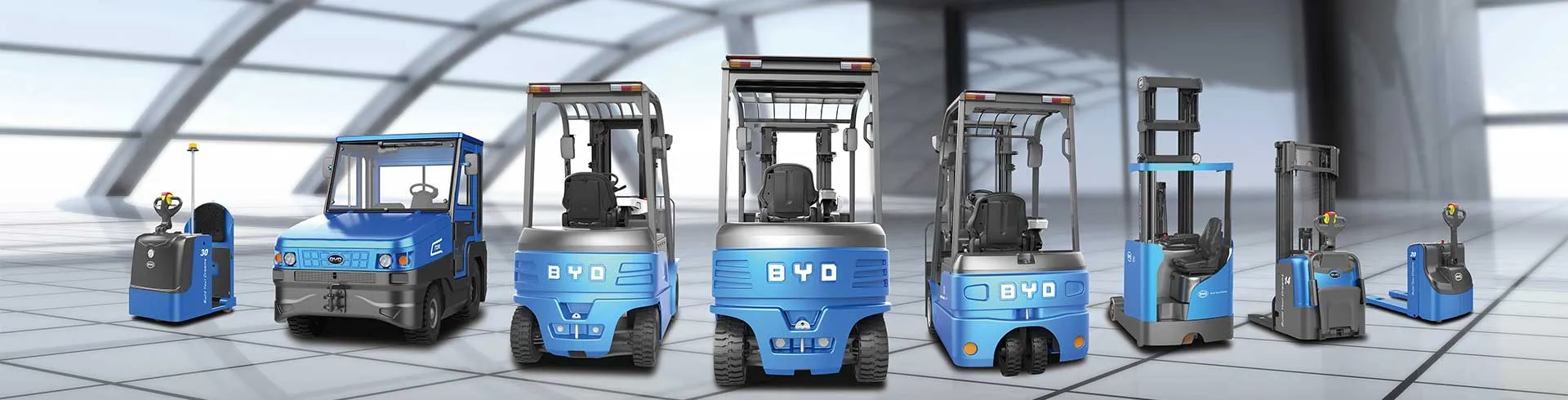
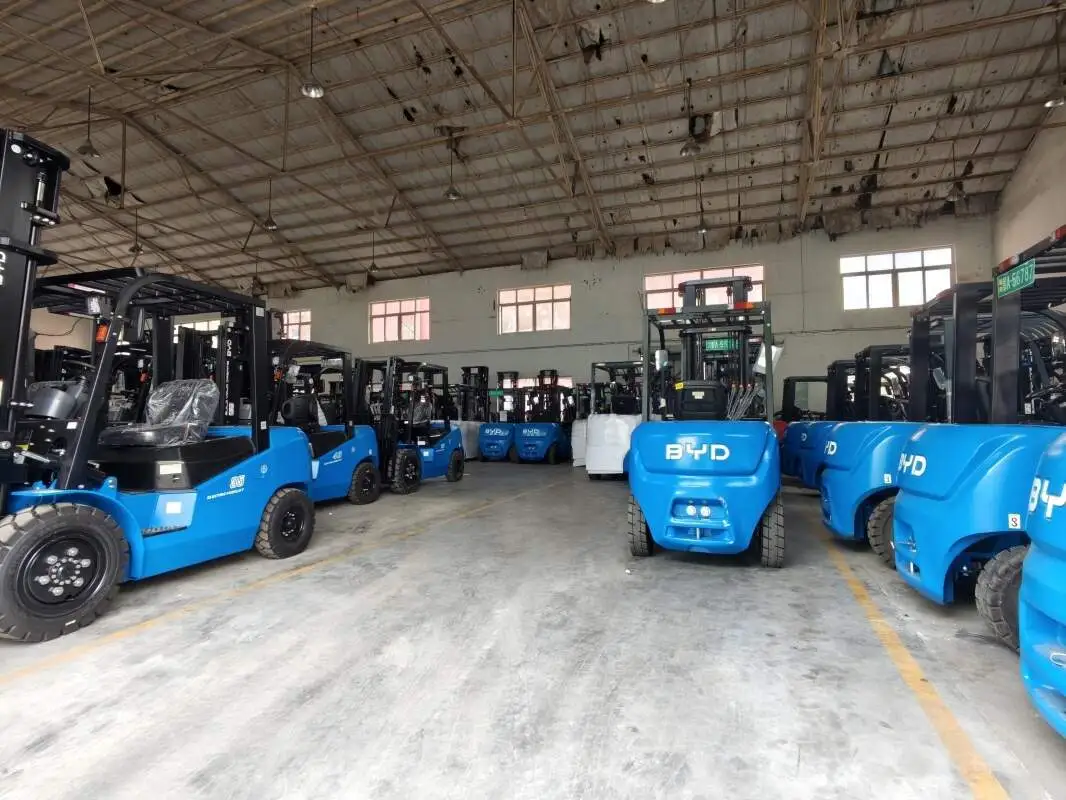
The battery configuration of an electric truck directly affects its endurance and operating efficiency.
The choice of battery type and capacity needs to be combined with the actual operation scenario: the current mainstream is lead-acid batteries and lithium batteries, which have lower cost and are suitable for most conventional operation scenarios; lithium batteries have higher energy density and better battery life, suitable for high-intensity and long-term operation requirements. The capacity configuration needs to be determined according to the rated load and operating mileage of the truck. A reasonable matching capacity can not only meet the daily operation requirements, but also avoid unnecessary energy waste.
The protection design of the battery is also an important part of the configuration: a regular electric truck battery will be equipped with multiple protection mechanisms such as overcharge, overdischarge, and short circuit, which can effectively avoid damage to the battery caused by abnormal working conditions. At the same time, the battery shell has certain waterproof and dustproof properties, which can adapt to various complex operating environments such as warehouses and factories, ensuring the stable operation of the battery.
The standard operation of daily charging is the key to prolonging the battery life.
The preparation work before charging should not be ignored: first check the surface of the battery for stains and liquid leakage, ensure that the charging interface is clean and dry, and avoid charging failure due to poor contact. At the same time, confirm that the truck is in a power-off state, pull the handbrake, and park it in a well-ventilated area away from fire sources.
The precautions during the charging process should be strictly followed: the appropriate charger needs to be used to avoid mixing chargers of different specifications to prevent irreversible damage to the battery. Pay attention to the indicator light status of the charger when charging. When the indicator light shows full, disconnect the power supply in time to avoid overcharging for a long time. Do not move the vehicle or plug and unplug the charger at will during the charging process to ensure charging safety.
The maintenance points after charging should be kept in mind: organize the charger in time and place it in a dry and cool place to avoid moisture or extrusion. At the same time, regularly check the power status of the battery, arrange the charging time reasonably according to the operation needs, and try to avoid the battery being stored in a state of power loss for a long time, so as not to affect the performance and life of the battery.


