
 简体中文
简体中文 繁体中文
繁体中文 Deutsch
 日本語
日本語 한국어
한국어 Tiếng Việt
 Русский
 ไทย
ไทย Bahasa Indonesia
 Bahasa Melayu
 Filipino
 لالعربية
 Français
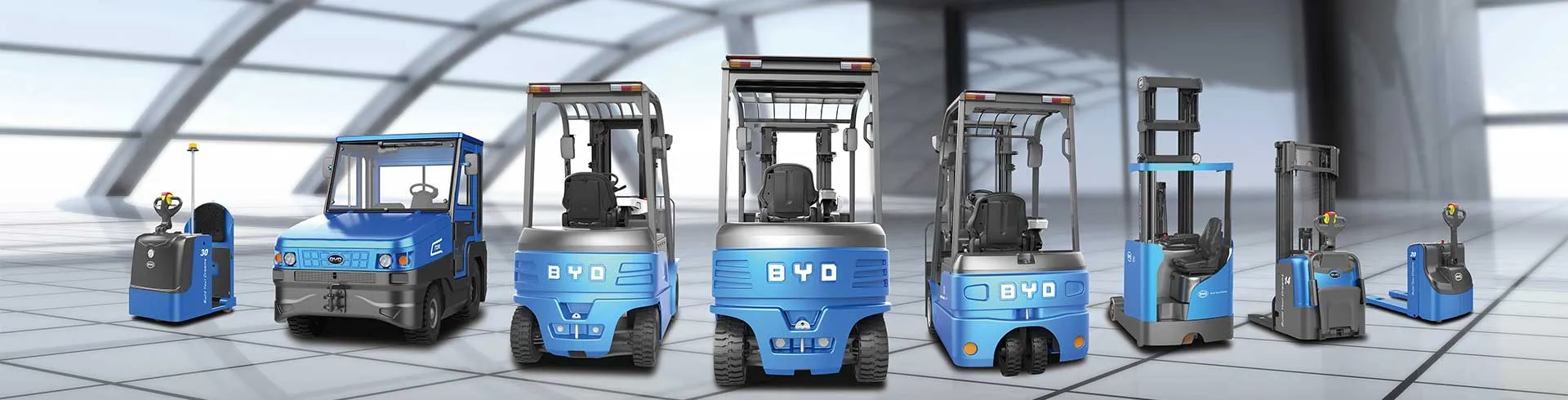
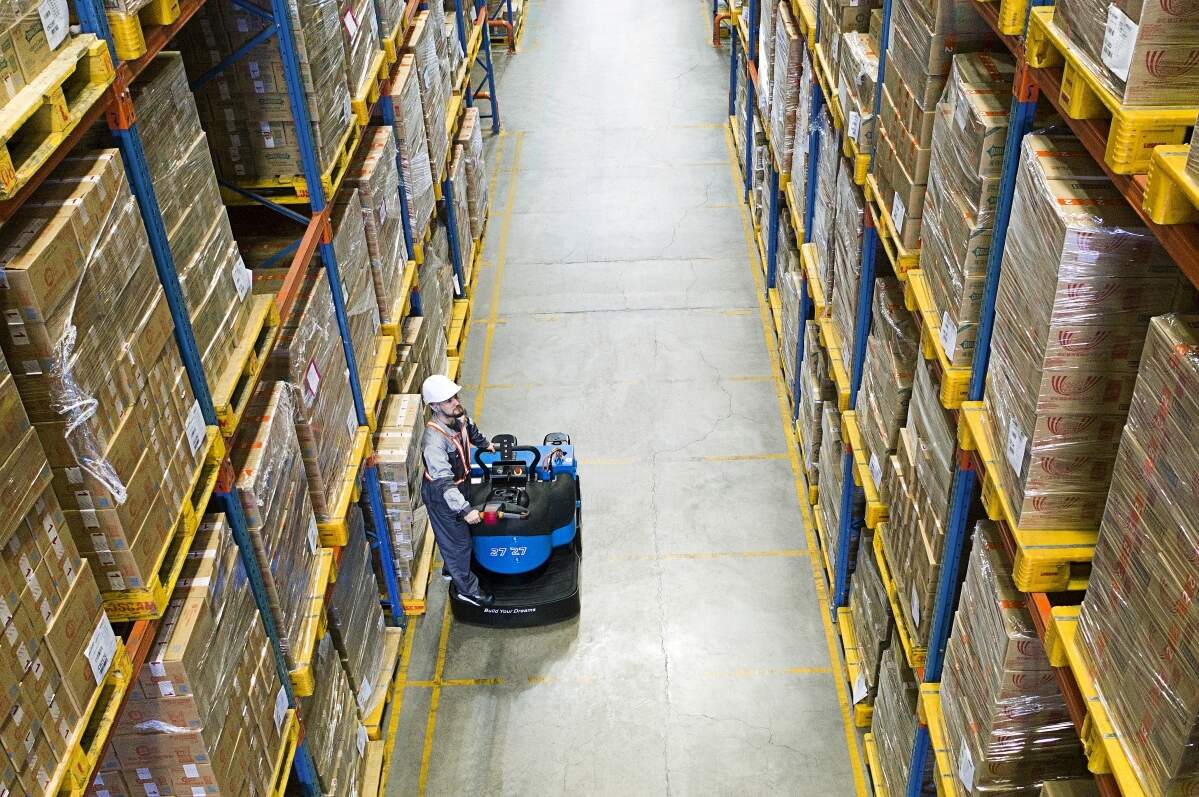
Station-driven electric forklifts are widely used in small and medium-sized warehousing, logistics distribution and workshop material transfer scenarios due to their flexible and convenient operation characteristics. As one of the commonly used models, the station-driven S20PS electric forklift has a direct impact on the planning and operation efficiency of the working space due to its vehicle size and operation channel requirements, which will be described in detail below.
Detailed explanation of vehicle size
Body base size
The size of the stand-up S20PS electric forklift needs to be considered from the three dimensions of length, width and height in the no-load state. In terms of body length, it is about 1500 mm without the fork, and the total length after matching the standard fork is about 2200 mm. This size determines the steering flexibility of the forklift in a narrow space. The body width is about 1000 mm, including the protective structure on both sides to ensure the lateral stability during operation. The body height (including the top guard) is about 2000 mm, which is suitable for the height requirements of most indoor warehouses. At the same time, the top guard can provide safety protection for the operator.
Wheelbase and minimum ground clearance
In addition to the length, width and height of the foundation, the wheelbase and minimum ground clearance are also key dimensional parameters. The wheelbase of the truck is about 1100 mm, and a reasonable wheelbase design can balance the load-bearing capacity and steering flexibility of the forklift to avoid the risk of rollover during heavy-duty operations. The minimum ground clearance is about 120 mm, which can adapt to the slight bumps common in workshops and storage areas, reduce the probability of chassis scratches, and ensure the service life of the forklift.
Job channel requirements
Cornering channel width
The forklift needs enough space to complete the steering operation when turning. The minimum turning radius of the stand-by S20PS electric forklift is about 1500 mm. Therefore, the width of the turning operation channel should be reserved at least 3000 mm to ensure that the forklift will not collide with the surrounding shelves, goods or walls during the turning process. If there are obstacles such as columns in the operation area, the channel width should be appropriately increased to reserve a safe buffer space.
Stacking operation channel width
When stacking goods, the channel width needs to consider the operating space for the forklift to pick up the goods. When the forklift is stacked with a standard fork, it is recommended to reserve about 3500 mm of the operating channel width. This size can not only meet the needs of the fork extending under the pallet, but also ensure that the operator has enough room to adjust the position of the forklift. If the storage area adopts a narrow shelf system, the channel width can be fine-tuned according to the actual pallet size, but it is necessary to ensure the safety of the forklift operation.
Precautions for channel reservation
When planning the operation channel, it is also necessary to consider the flatness of the ground and the obstacles in the channel. If there is a slope or uneven ground, it is necessary to widen the channel appropriately to avoid slippage or deviation during forklift operation; it is strictly forbidden to stack debris in the channel to keep the channel open. At the same time, obvious signs are set on both sides of the channel to remind personnel to maintain a safe distance from the forklift and improve the safety of the operation.


