
 简体中文
简体中文 繁体中文
繁体中文 Deutsch
 日本語
日本語 한국어
한국어 Tiếng Việt
 Русский
 ไทย
ไทย Bahasa Indonesia
 Bahasa Melayu
 Filipino
 لالعربية
 Français

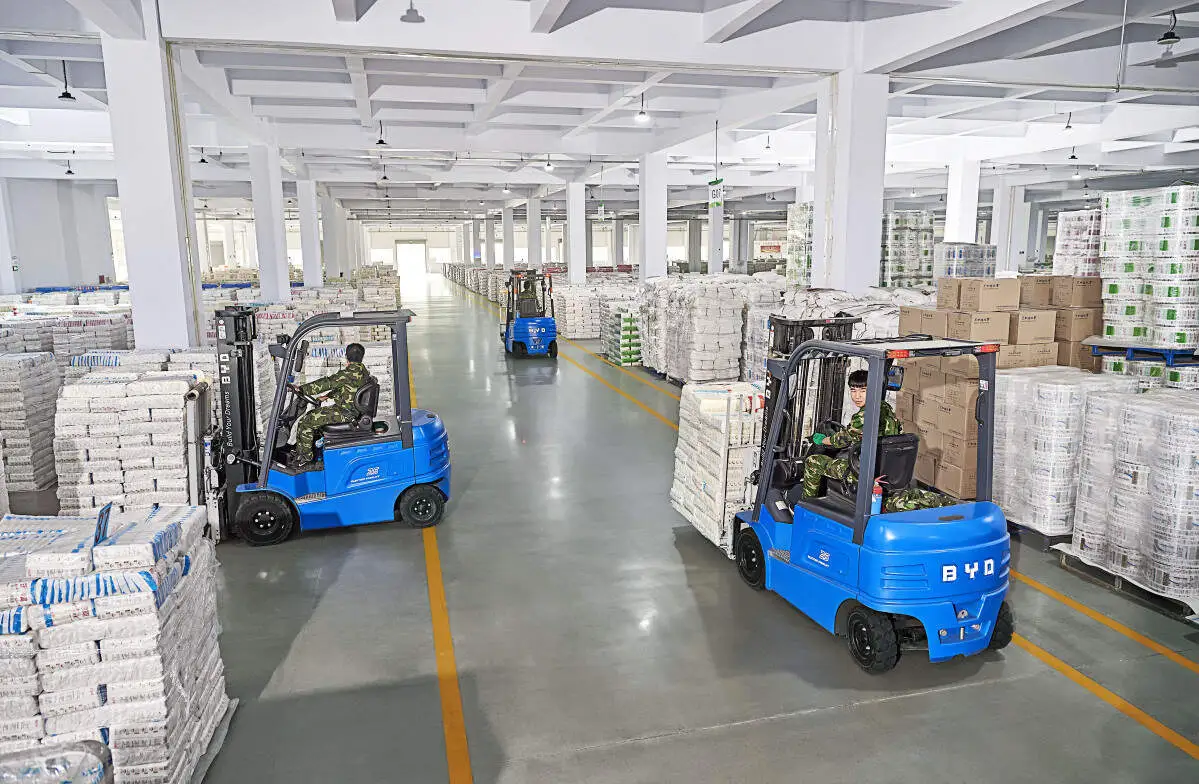
For practitioners engaged in warehousing logistics and intra-factory cargo transshipment, selecting electric handling equipment suitable for working conditions can effectively improve daily operation fluency and reduce the comprehensive cost of long-term operation. Today, we will conduct a comprehensive inventory of the core performance of the ECB40, a commonly used counterweight electric forklift, focusing on the two configuration dimensions of lifting height and battery capacity that attract the highest attention from users.
Lifting height related configuration introduction
Basic lifting capacity adaptation scenario
The conventional lifting height range of this equipment covers the mainstream demand range of the industry. The lifting heights of different configurations can correspond to different warehousing operation scenarios, such as the stacking of goods in low-level workshops. Conventional picking operations within 6 meters can be easily adapted. The partially customized high-lifting version can also meet the needs of goods access in high-shelf storage areas. The configuration design fully considers the operation stability of the gantry, and the smoothness of the lifting process is guaranteed. There will be no excessive shaking of goods.
Precautions for lifting configuration selection
When selecting the version corresponding to the lifting height, users should count the maximum height of the shelves in their own storage area in advance, and reserve enough safety margin to avoid the problem that the lifting height of the equipment in the later stage is not enough to adapt to the existing operation scenarios. At the same time, they should also comprehensively consider the floor height limit of the warehouse to ensure that the door frame will not collide with the top facilities after being fully lifted.
Battery capacity configuration related introduction
Scenarios for regular capacity version
The standard battery capacity of this device can meet the needs of 8 hours of continuous operation in ordinary scenarios. It is suitable for users with low daily working hours and fixed charging stations. The battery cycle life is long, and the daily maintenance operation is simple. It does not require frequent addition of maintenance media, and the cost of long-term use is controllable.
Large-capacity version adaptation advantages
For the scenario of two shifts and long-term continuous operation, users can choose a higher-capacity battery configuration, which can significantly improve the continuous operation time at full power, reduce the waiting time for power up in the middle of the operation, and further improve the overall operation flow efficiency. There is no need to replace spare batteries frequently, and the operation and maintenance workload on site can also be reduced.
Users can choose the corresponding battery configuration based on their daily working hours and site charging conditions, giving full play to the use value of the equipment and matching the handling needs of different scales.


