
 简体中文
简体中文 繁体中文
繁体中文 Deutsch
 日本語
日本語 한국어
한국어 Tiếng Việt
 Русский
 ไทย
ไทย Bahasa Indonesia
 Bahasa Melayu
 Filipino
 لالعربية
 Français

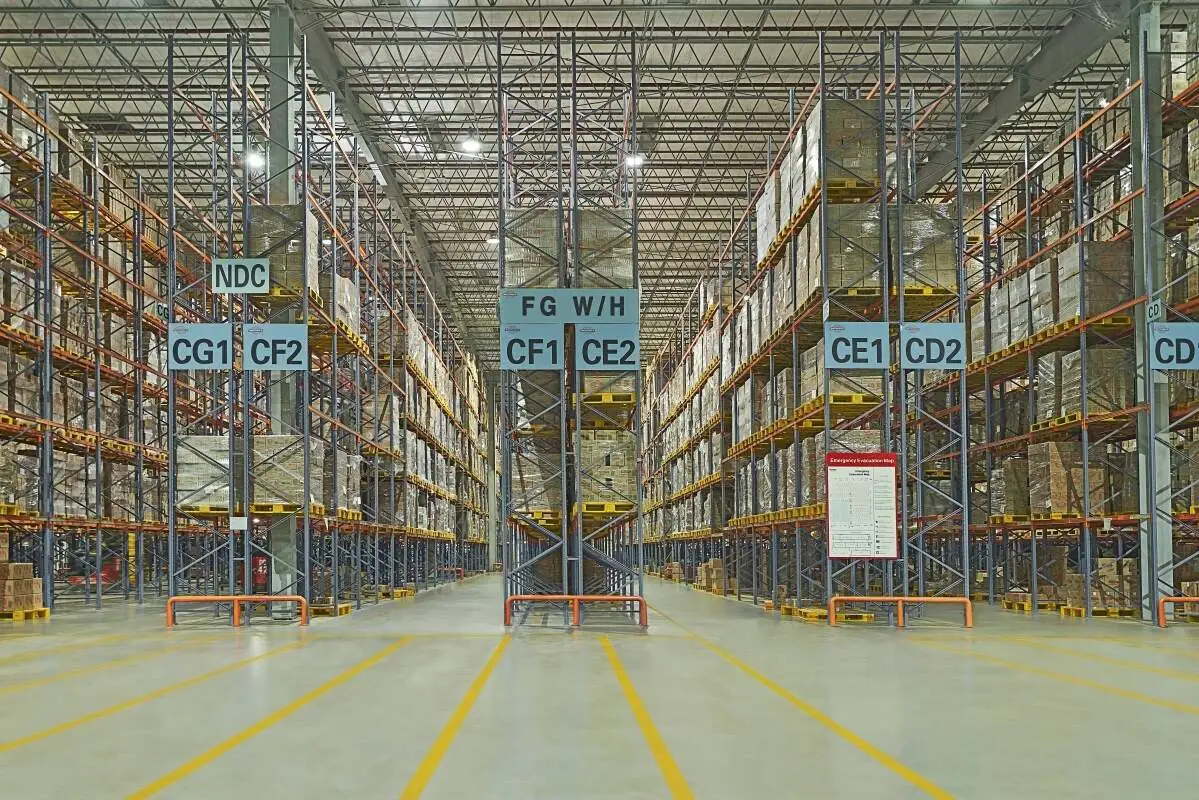
For the vast majority of industrial production workshops and finished product storage spaces, the physical size and steering capacity of counterbalanced electric forklifts are one of the core indicators that determine their operating efficiency. This time, the relevant parameters of CPD40 electric forklifts are analyzed to provide practical reference for users with selection needs.
Analysis of core size parameters of the whole machine
Basic parameters of vehicle length, width and height
The length of this electric forklift truck does not include the fork part, and it is in the conventional range of similar four-ton counterweight electric forklifts. The width of the vehicle is suitable for the transshipment needs of most industrial pallets. The total height of the vehicle in the standard door frame state will not be too high, and it can smoothly pass through the indoor porches and internal traffic areas of low-rise warehouses in most conventional factory areas without having to make too many structural modifications to the scene in advance.
Fork matching relevant sizes
The standard fork length of this forklift can cover the forking requirements of most standard pallets. The minimum ground clearance and maximum lifting height of the forklift meet the requirements of the second and third floors of the ordinary workshop, and there will be no problems that cannot be adapted to high shelves or the fork is stuck on the ground.
Turning radius core characteristic description
No-load state steering reference
The minimum no-load turning radius of this forklift has been verified by many actual site tests, and the passage space required to complete in-situ U-turn on the flat and hardened factory floor is within a reasonable range, and it will not occupy too much spare channel width.
Heavy load state steering performance
In the operating state of full rated load, the steering wheel swing margin of the forklift is sufficient, the steering operation is smooth, and the actual traffic space required is only slightly higher than that in the no-load state. Most conventionally designed workshop passages can meet its heavy-load steering requirements.
Workshop Job Adaptability Reference
Narrow channel scene adaptation
If the width of the working channel reserved in the workshop is slightly narrower, as long as the traffic path is planned in advance in combination with the measured turning radius parameters, the forklift can still successfully complete the daily transshipment operation without large-scale widening of the channel to waste the available storage space.
Suggestions for use in regular warehousing scenarios
For ordinary production workshops and finished product storage areas with sufficient channel widths, the size and steering performance of this forklift can fully meet the needs of high-frequency cargo transfer and stacking operations, effectively reduce the risk of scratches in daily operations, and provide stable support for the improvement of workshop logistics efficiency.


