
 简体中文
简体中文 繁体中文
繁体中文 Deutsch
 日本語
日本語 한국어
한국어 Tiếng Việt
 Русский
 ไทย
ไทย Bahasa Indonesia
 Bahasa Melayu
 Filipino
 لالعربية
 Français

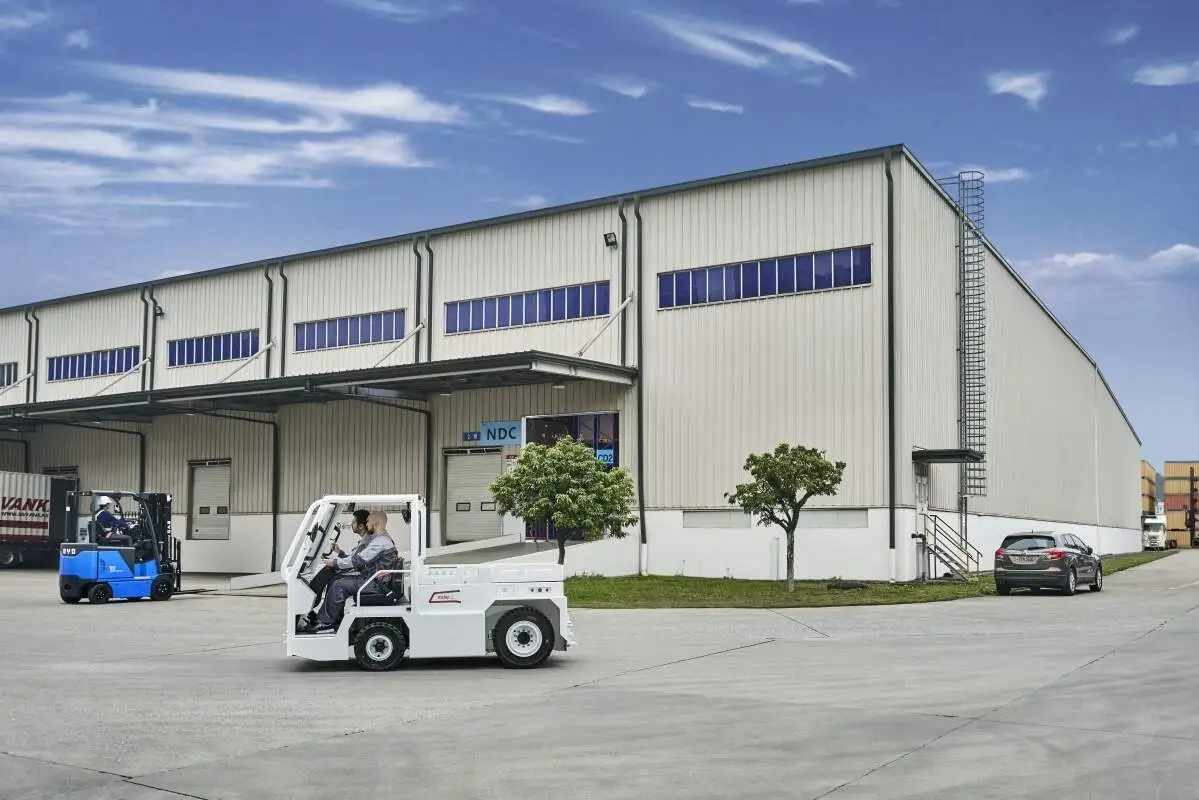
With the development of warehousing and logistics, electric forklifts have gradually become a common tool for handling in workshops and warehouses. Among them, small lithium-ion electric forklifts and lead-acid electric forklifts are two mainstream choices. The core functions of the two types of equipment are basically the same, and both can complete the loading and unloading of pallet goods and short-distance handling, but there are differences in the actual use of multiple links, which can be comprehensively considered according to their own needs.
From the perspective of battery life and charging, the battery energy density of a small lithium-ion electric forklift is usually higher, it can store more power in the same volume, and the operation time after a single charge is relatively long. In terms of charging mode, this type of equipment supports charging at any time, and does not require a special ventilated charging space. Temporary replenishment is also more convenient, and part of the power can be replenished when resting halfway. The energy density of a lead-acid electric forklift is low, and a backup battery may need to be prepared under the same operating intensity. A fixed ventilated area is also required when charging to avoid gas accumulation during charging. It is generally not recommended to use it frequently, otherwise it may affect the battery life.
From a maintenance perspective, the daily maintenance of small lithium-ion electric forklifts is relatively simple. There is no need to add water and acid regularly, nor does it need to detect the specific gravity of the electrolyte. When cleaning, you only need to protect the surface of the equipment and the battery interface. The maintenance process of lead-acid electric forklifts is more cumbersome. It is necessary to regularly check the height and specific gravity of the electrolyte, replenish distilled water or special electrolyte in time, and pay attention to the cleaning of the ventilated charging area to prevent dust and impurities from affecting the battery performance.
Finally, when it comes to the cost of acquisition and use, the initial purchase cost of a small lithium-ion electric forklift is usually higher than that of a lead-acid electric forklift, but if it is used for a long time, the maintenance cost and battery replacement cycle of the former will be more advantageous, and the comprehensive cost may be lower. The initial investment of a lead-acid electric forklift is small, which is suitable for scenarios with limited budget and low frequency of use.


