
 简体中文
简体中文 繁体中文
繁体中文 Deutsch
 日本語
日本語 한국어
한국어 Tiếng Việt
 Русский
 ไทย
ไทย Bahasa Indonesia
 Bahasa Melayu
 Filipino
 لالعربية
 Français

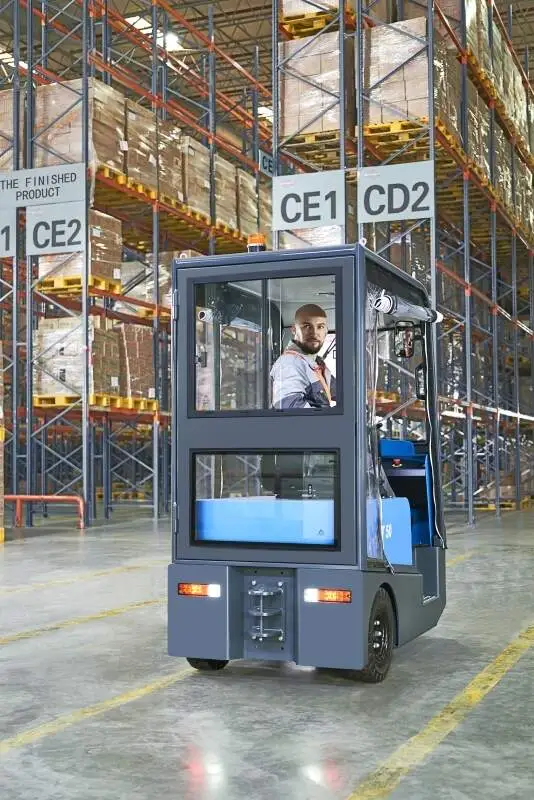
In industrial logistics and warehousing operation scenarios, forklifts are the core equipment for improving handling efficiency. Electric forklifts and fuel forklifts, as the two main categories, have a direct impact on the adaptability of the operation due to differences in parameters in terms of power, climbing, and load.
Differential performance of dynamic parameters
Power output characteristics
Electric forklifts rely on motors to drive, with stable power output and fast response. They can maintain constant torque during low-speed operation, making them suitable for frequent start-stop internal storage operations. Fuel forklifts are powered by internal combustion engines, and their power output is enhanced with the increase of speed. They have obvious advantages in high-speed and heavy-load outdoor operation scenarios. The difference in the power curves of the two determines the operation rhythm and scene type of their respective adaptations.
Energy consumption and power sustainability
The power life of an electric forklift depends on the battery capacity, and the single battery life is affected by the battery specification. When operating at high intensity continuously, the charging time needs to be planned in advance. Fuel forklifts can quickly replenish power by adding fuel, and the battery life is not limited by batteries. It is more suitable for long-term uninterrupted outdoor operations. This difference in battery life characteristics is a key factor to be considered when selecting models.
Parameter Comparison of Climbing Performance
Ramp dynamic performance
Under the same load conditions, the electric forklift's motor torque output is stable, and it can maintain a uniform driving state with a small power attenuation in gentle slope operations with a gradient of less than 10%. Fuel forklifts rely on the high-speed power reserve of the internal combustion engine, and in steep slope environments with a gradient greater than 10%, the power output is more sustainable, which can cope with more complex ramp operations.
Stability of ramp operation
The low center of gravity of the electric forklift, coupled with the stability of the motor drive, makes it less likely to roll when starting and stopping on the ramp, and the operation safety is more guaranteed; the power output fluctuation of the fuel forklift is relatively obvious, and it is necessary to rely on the driver's operation skills to maintain stability during ramp operation, which requires higher proficiency.
Adaptation Scenario of Load Parameters
Rated load range
The rated load of electric forklifts is usually between 1 ton and 5 tons, and some customized models can achieve higher load, but the overall focus is more on the fine handling of small and medium-sized loads; the rated load of fuel forklifts covers a wider range, from 1 ton to more than 10 tons There are corresponding models, which can meet the heavy handling needs of large loads.
Load and mobility balance
Under full load conditions, the steering flexibility of electric forklifts is less affected, making them suitable for load handling operations in narrow storage passages. Fuel forklifts have a relatively large steering radius under large load conditions, making them more suitable for open outdoor work sites. Both have their own emphasis on the balance of load and mobility.
Overall, electric forklifts and fuel forklifts have their own advantages and adaptation scenarios in terms of power, climbing, and load parameters. Practitioners need to choose the appropriate forklift category based on practical factors such as the operating environment, operating intensity, and battery life requirements to improve overall operating efficiency.


