
 简体中文
简体中文 繁体中文
繁体中文 Deutsch
 日本語
日本語 한국어
한국어 Tiếng Việt
 Русский
 ไทย
ไทย Bahasa Indonesia
 Bahasa Melayu
 Filipino
 لالعربية
 Français

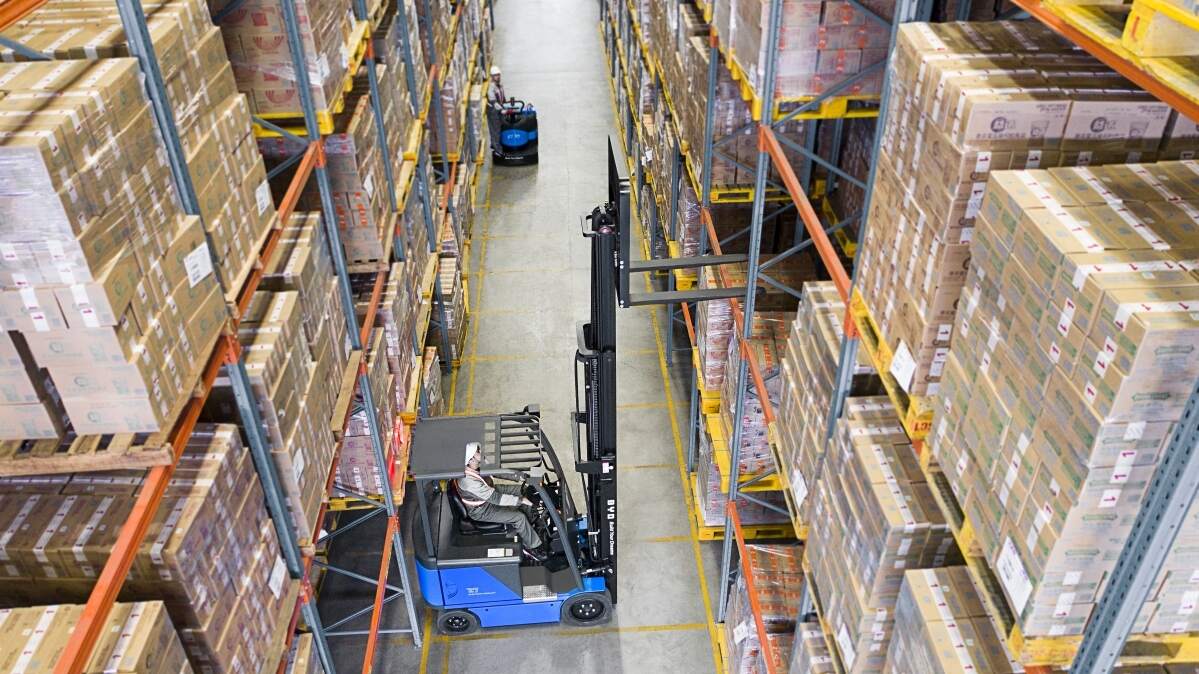
In the field of industrial handling, electric forklifts and internal combustion forklifts are two widely used types of equipment. Due to their different power systems, there are obvious differences in daily maintenance items and maintenance costs. Understanding these differences can help users plan equipment maintenance plans rationally and reduce operating costs.
The difference between daily maintenance items
The daily maintenance of internal combustion forklifts focuses on the power system and related components. It is necessary to check the fuel pipeline for leakage every day, and replace the oil, fuel filter and air filter regularly to ensure smooth engine lubrication and air intake. At the same time, pay attention to the cooling system, check the coolant level and circulation status to prevent the engine from overheating. In addition, the wear parts of the transmission system and braking system also need to be checked regularly, and replace the worn brake pads, clutch pads, etc. in a timely manner.
The daily maintenance core of an electric forklift revolves around the battery, motor and electronic control system. The battery's power and electrolyte level (lead-acid battery) need to be checked daily to keep the battery surface clean and dry to avoid short circuits. The motor and electronic control system need to regularly check whether the line connection is firm to prevent loosening from causing failure. The inspection of the hydraulic system is similar to that of an internal combustion forklift, and attention needs to be paid to the hydraulic oil level and pipeline sealing, but there is no need to deal with fuel-related parts, and the maintenance process is relatively simplified.
The difference in maintenance costs
In terms of daily maintenance costs, the daily maintenance of internal combustion forklifts involves a variety of consumables. Oil, filters, etc. need to be replaced regularly. The cost of consumables is high, and the maintenance process is cumbersome, and the labor cost is relatively high. The daily maintenance of electric forklifts is mainly battery maintenance, and the consumption of consumables is small. In addition to regularly replenishing electrolytes (some batteries), there is no need to replace a large number of accessories frequently, and the overall cost of daily maintenance is lower.
In terms of failure maintenance costs, the power system structure of internal combustion forklifts is complex. When the engine, transmission system and other components fail, maintenance is difficult, and the price of parts is high, and maintenance costs are often high. Electric forklifts have strong reliability of motors and electronic control systems, and the failure rate is low. Even if there is a failure, the maintenance process is relatively simple, and the cost of parts is also low. However, the battery of electric forklifts has a service life limit, and the cost of replacing the battery is high, but the replacement cycle can usually reach several years. In the long run, it is still advantageous to share the annual cost.
Overall, electric forklifts and internal combustion forklifts have their own characteristics in terms of maintenance items and maintenance costs. Users can choose the appropriate equipment according to their own usage scenarios and operational needs, and formulate corresponding maintenance plans to achieve a balance between efficient operation and cost control.


