
 简体中文
简体中文 繁体中文
繁体中文 Deutsch
 日本語
日本語 한국어
한국어 Tiếng Việt
 Русский
 ไทย
ไทย Bahasa Indonesia
 Bahasa Melayu
 Filipino
 لالعربية
 Français

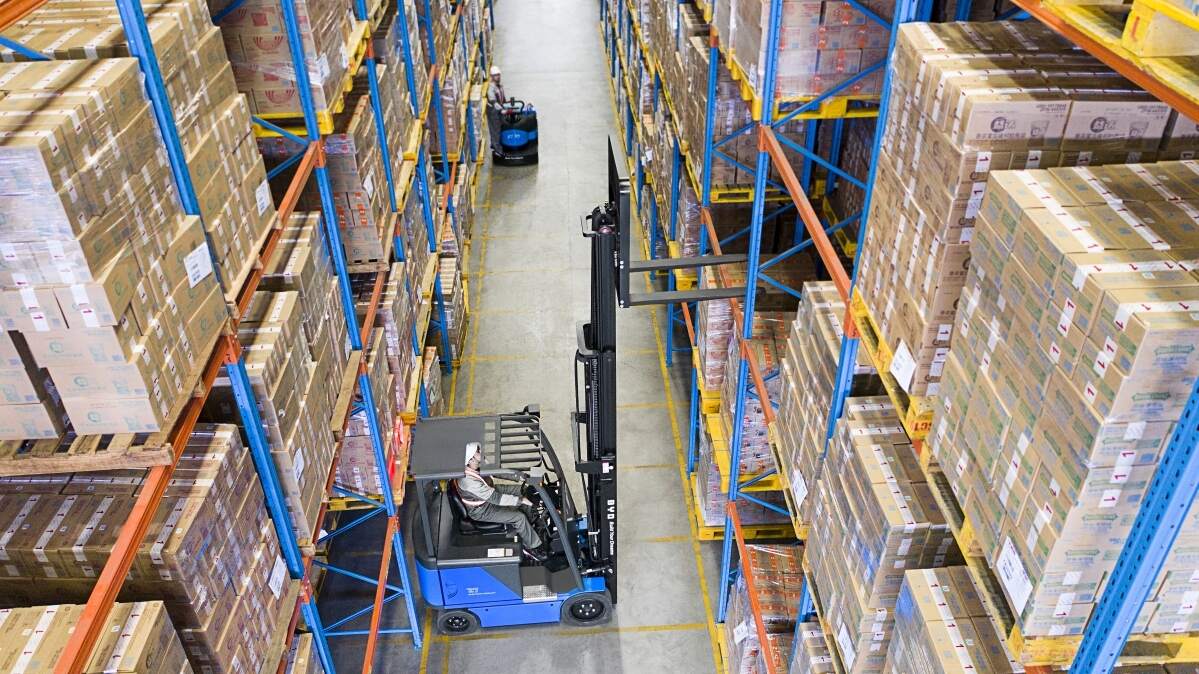
With its flexible steering ability and efficient space utilization, narrow-channel lithium-ion forklifts have become the core equipment in high-density warehousing and narrow-channel operation scenarios. Doing a good job in daily maintenance and parts maintenance can not only ensure the stability of equipment operation, but also effectively extend the service life and reduce operation and maintenance costs.
Pre-shift basic inspection
Before the operation, it is necessary to conduct a comprehensive inspection of the equipment. First, observe whether the appearance of the body is bumped or deformed, and check whether the shell is damaged or loose. Then check the lithium battery power display to ensure that the power meets the operation needs of the day. At the same time, check whether the battery cable is firm and whether there are any signs of oxidation or loosening. Also test the control system, including the steering handle, lift button, brake device, etc., to confirm that the components are responsive and have no cards or delays.
Class dynamic maintenance
During the operation process, it is necessary to always pay attention to the running status of the equipment, pay attention to whether there is abnormal sound, vibration or odor. Once found, it is necessary to stop the machine immediately for inspection, and then continue the operation after troubleshooting. Avoid working under overload and excessive height to reduce the additional load on equipment parts. At the same time, pay attention to the working environment to avoid sharp objects scratching the body or tires. If passing through the water accumulation area, it is necessary to clean the residual moisture of the chassis in time to prevent parts from rusting.
After-shift cleaning
After the operation, it is necessary to clean the dust, oil and sundries on the surface of the vehicle in time. Wipe the vehicle with a clean soft cloth to avoid the use of corrosive cleaners. Turn off the power supply of the equipment, unplug the charging plug (if charging is required), and park the forklift in the designated dry and ventilated area. At the same time, record the abnormal situation during the operation on the day for subsequent maintenance and investigation.
Battery system maintenance
Lithium batteries are the core power components of narrow-channel lithium forklifts. It is necessary to avoid overcharging and overdischarging every day. Charge in time when the power is lower than 20%. Disconnect the power supply after full. Regularly check the surface of the battery for leakage and bulging, clean the oxide at the battery terminals, and ensure good connection. Avoid long-term exposure of the battery to high temperature and low temperature environments. Keep the power between 50% and 70% when storing.
Walking system maintenance
The walking system directly affects the mobile performance of the equipment. It is necessary to check the tire wear regularly. If the tread depth is insufficient or cracks appear, replace it in time. Check the braking system and test the braking sensitivity. If the braking force is insufficient or abnormal sound occurs, adjust the brake pad clearance or replace the brake pads. At the same time, clean the debris around the walking wheel and steering wheel to ensure the smooth rotation of the axle.
Lifting system maintenance
The lifting system is related to the safety of cargo handling. It is necessary to regularly check the tightness of the lifting chain. If the chain is loose, the tensioning device needs to be adjusted in time. Check the liquid level and quality of the hydraulic oil. If the oil is turbid, deteriorated or the liquid level is too low, replace or replenish the hydraulic oil that meets the specifications in time. At the same time, check the lifting cylinder for signs of oil leakage to ensure that the seals are in good condition and avoid the failure of the hydraulic system.
By standardizing the daily maintenance process and implementing the maintenance points of each accessory, the narrow-channel lithium-ion forklift can always maintain a good operating condition and provide reliable support for warehousing operations.


