
 简体中文
简体中文 繁体中文
繁体中文 Deutsch
 日本語
日本語 한국어
한국어 Tiếng Việt
 Русский
 ไทย
ไทย Bahasa Indonesia
 Bahasa Melayu
 Filipino
 لالعربية
 Français

Model adaptation before leasing
Channel size match
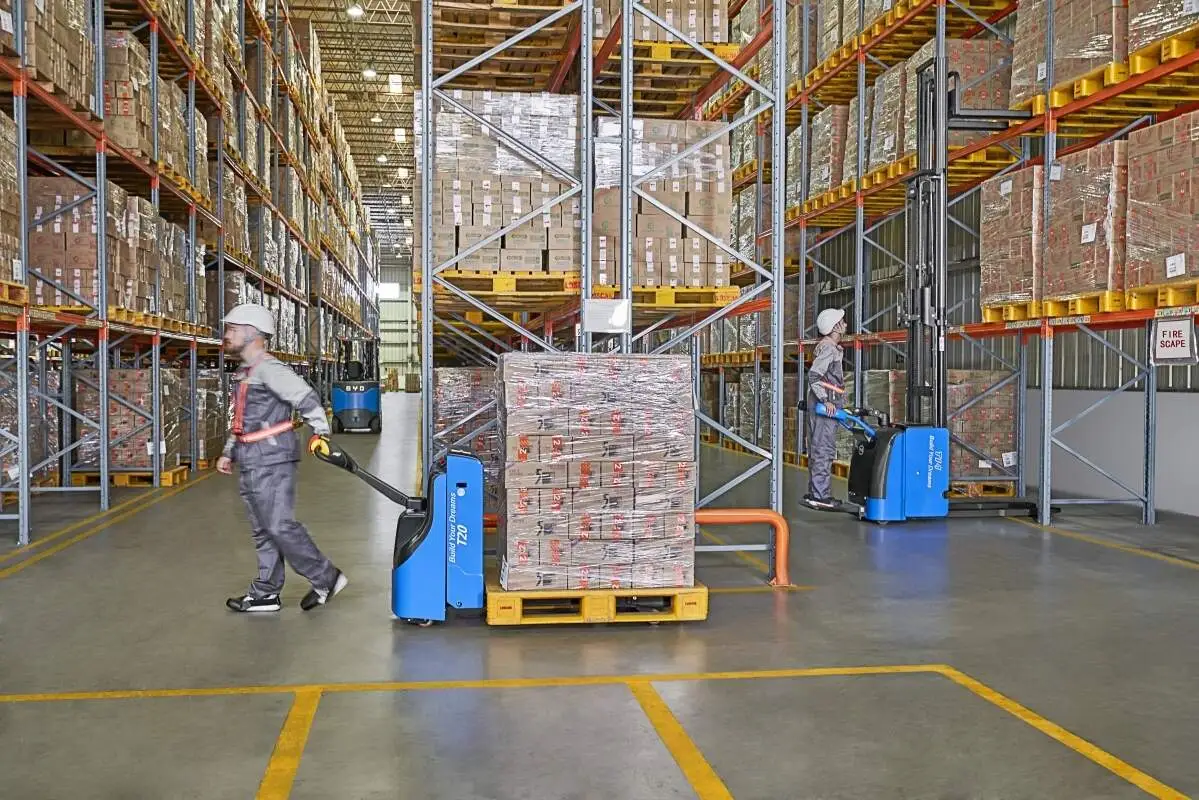
The core advantage of narrow-channel lithium-ion forklifts is that they are suitable for small storage spaces. Before renting, it is necessary to accurately measure the actual width and turning radius of the warehouse channel to confirm that the body size and turning radius of the forklift are fully compatible with the warehouse space, so as to avoid the situation that the forklift cannot pass smoothly and turn, which affects the efficiency of storage operations.
Load requirement confirmation
According to the average weight and peak load demand of daily warehoused goods, choose the forklift with the corresponding load class. Avoid renting models with insufficient load that cannot complete cargo handling, and there is no need to blindly choose super heavyweight models, resulting in wasted rental costs.
Lithium battery performance evaluation
battery life verification
According to the actual situation such as daily operation time and operation frequency, confirm whether the cruising range of the forklift meets the needs of single-day operation. At the same time, understand the charging time and supporting charging facilities requirements to ensure that the warehouse can provide suitable charging conditions to avoid power outages affecting operations in the middle.
Battery maintenance conditions
Make it clear whether the lessor is responsible for the daily maintenance of the battery, including regular inspection of battery status, replenishment, cleaning, etc., to avoid additional costs due to battery maintenance or forklift failure due to improper maintenance.
Lease Terms Details Confirmation
Lease term and fee description
Clearly confirm the lease cycle, clarify the different charging standards for short-term leases and long-term leases, and verify whether the fees include forklift maintenance, insurance, and other services to avoid hidden charges and ensure that the lease cost is transparent and controllable.
Clear division of responsibilities
In the lease agreement, clarify the ownership of responsibilities during the use of forklifts, distinguish between normal wear and tear and man-made damage, as well as maintenance responsibilities and compensation methods after failure and damage, to avoid subsequent disputes.
Operators and after-sales support
Operator qualification verification
Verify that the personnel responsible for operating the forklift have the corresponding operating qualifications. If the personnel lack operating experience, it is necessary to verify whether the lessor provides professional operation training to ensure that the operator can master the operation skills of the narrow-channel lithium-ion forklift and avoid safety risks.
After-sales guarantee confirmation
Understand the lessor's failure response time, whether there is a nearby repair service network, and whether the spare parts supply is sufficient. Ensure that forklift truck failures can be repaired in a timely manner to reduce the impact on warehousing operations.


