
 简体中文
简体中文 繁体中文
繁体中文 Deutsch
 日本語
日本語 한국어
한국어 Tiếng Việt
 Русский
 ไทย
ไทย Bahasa Indonesia
 Bahasa Melayu
 Filipino
 لالعربية
 Français

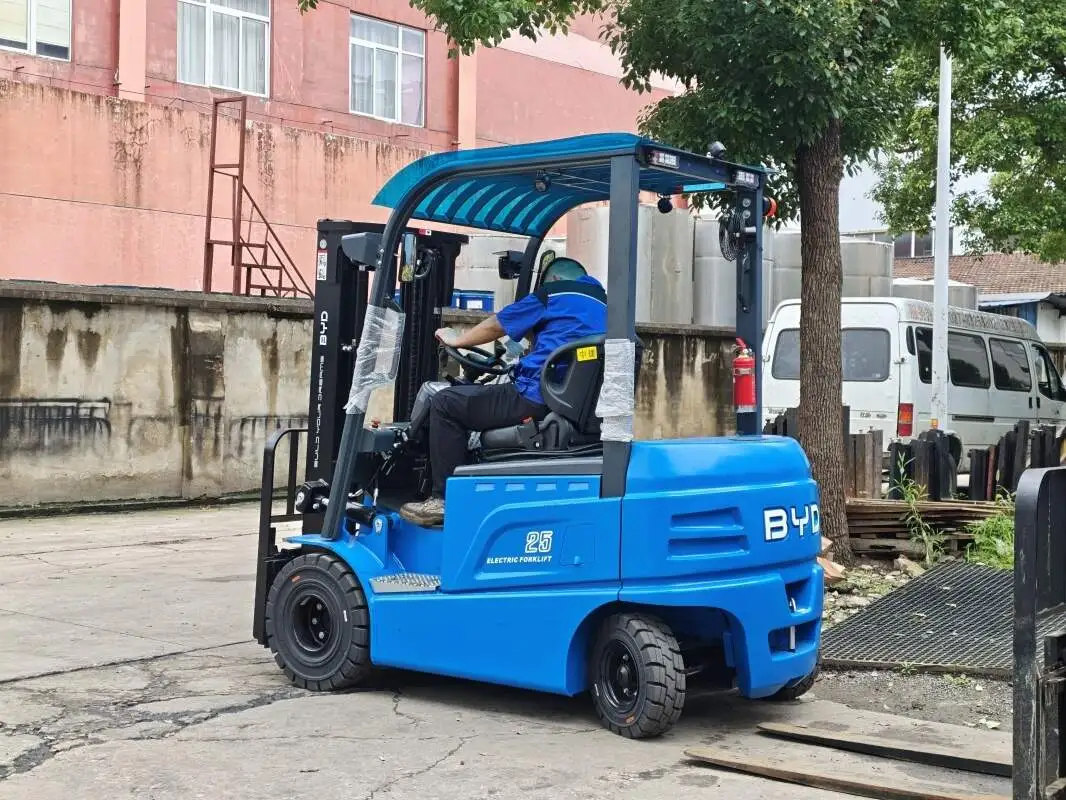
In the field of warehousing and logistics, narrow-aisle forklifts are very popular due to their high space utilization. Models equipped with lithium iron phosphate batteries have gradually become the mainstream equipment in the market due to their stable safety performance and reliable battery life. In-depth analysis of their service life and operation and maintenance costs can help enterprises plan equipment investment rationally and improve overall operating efficiency.
Key factors affecting the lifecycle
Battery performance is the key to determining the service life of a forklift. The lithium iron phosphate battery itself has a long cycle life. Under normal and reasonable use, the battery attenuation rate is slow, which can cover the main service life of the forklift. However, if there are irregular use behaviors such as frequent fast charging and excessive discharge, it will accelerate the aging of the battery internal cells, shorten the service life of the battery, and then affect the overall service life of the forklift.
The matching degree of use intensity and working conditions will also affect the service life. The operation intensity of different warehousing scenarios varies greatly. For example, the large-throughput continuous operation of e-commerce warehousing will keep the forklift's running mechanism, hydraulic system and other components in a high load state for a long time, accelerating the wear of components; while the intermittent operation of small warehouses, the equipment loss rate is relatively slow. Therefore, choosing the appropriate forklift model according to the actual working conditions can effectively prolong the service life of the equipment.
The standardization of daily maintenance is equally important. Regular inspection and maintenance of the forklift's steering system, fork parts, battery management system, etc., timely troubleshooting and resolution of minor faults can avoid the expansion of problems and reduce the early retirement of equipment due to component damage.
The composition and control points of operation and maintenance costs
Battery operation and maintenance costs are an important part of operation and maintenance expenses. Compared with traditional lead-acid batteries, lithium iron phosphate batteries do not require complex maintenance such as regular hydration and balanced charging, and the daily maintenance cost is lower. However, it is still necessary to regularly check the voltage, internal resistance and other parameters of the battery, find abnormal cells in time and replace them, so as to avoid the use of the entire group of batteries due to single cell failure and increase the cost of later replacement.
The cost of component loss cannot be ignored. Due to the limitation of working space, the steering frequency of narrow-channel forklifts is high, and the loss speed of steering mechanisms, forks and other components is faster. Selecting reliable quality fittings and replacing worn parts in time according to the use situation can reduce the indirect losses caused by malfunctions and avoid greater equipment failure caused by small component damage.
Labor and management costs are also part of the operation and maintenance costs. Standardizing the operation process of operators, carrying out regular skills training, and improving the correct use and daily inspection ability of operators of forklifts can reduce the failure rate caused by human operation errors, and reduce the labor investment and fault repair costs in the operation and maintenance process.
Overall, the lifespan of lithium iron phosphate narrow-channel forklifts is correlated with operation and maintenance costs. By rationally controlling the use intensity, standardizing daily maintenance, and optimizing operation and maintenance strategies, it can not only effectively extend the service life of equipment, but also reduce long-term operation and maintenance costs. This brings higher cost performance to enterprise warehousing operations.


