
 简体中文
简体中文 繁体中文
繁体中文 Deutsch
 日本語
日本語 한국어
한국어 Tiếng Việt
 Русский
 ไทย
ไทย Bahasa Indonesia
 Bahasa Melayu
 Filipino
 لالعربية
 Français

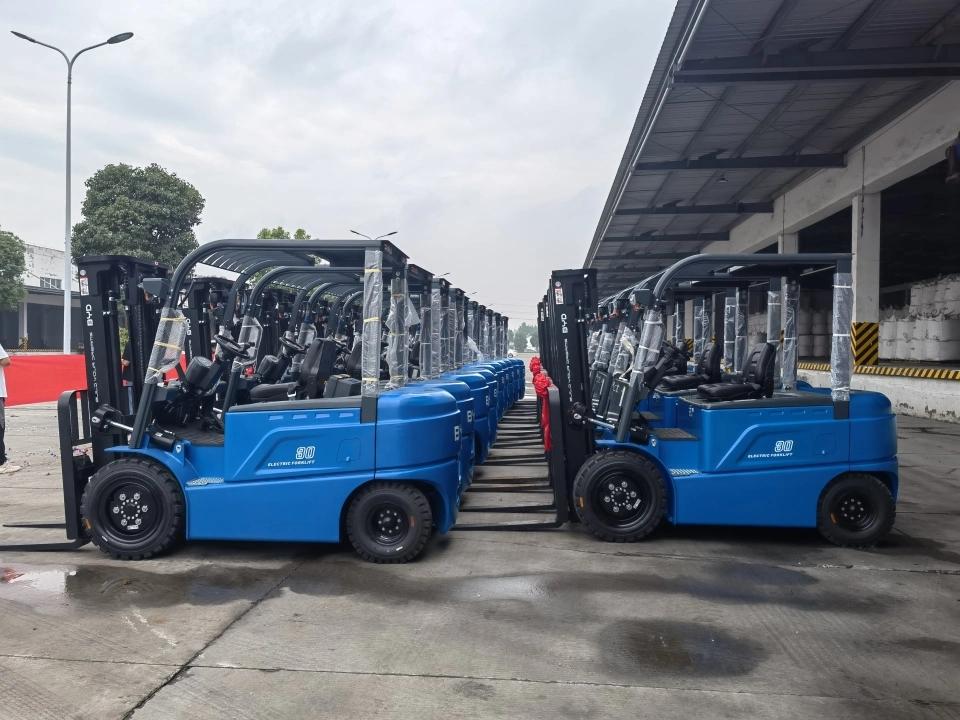
The core components of life cycle cost
The full life cycle cost covers all the inputs for forklifts from procurement to scrapping, including the initial procurement cost, daily operating energy cost, regular maintenance cost, and residual value recovery. The difference in investment in these dimensions between different types of forklifts is the key to affecting the long-term total cost.
The Life Cycle Cost Calculation of Electric Forklift Truck
The initial procurement cost of electric forklifts is relatively high, due to the high cost of core components such as batteries and motors, but the advantages of daily operation energy consumption are outstanding. Under the same operating hours, the electricity expenditure is only about one-third of the fuel cost, and the electricity price is stable and not affected by oil price fluctuations. In terms of maintenance, there is no need to replace consumables such as oil and fuel filters. Only regular inspections of batteries and circuits are required, and the frequency and cost are greatly reduced. When the residual value is recovered, properly maintained batteries can be used in stages, and the residual value rate is stable, reducing scrap losses.
The Life Cycle Cost Calculation of Fuel Forklift
The low initial procurement cost of fuel forklifts is the reason why many companies choose in the early stage, but the fuel cost accounts for a high proportion in long-term operation, and the oil price is greatly affected by market fluctuations, making it difficult to control the operating cost. Maintenance requires regular replacement of oil, spark plugs and other components, as well as attention to engine wear and oil circuit cleaning, which is frequent and expensive. When the residual value is recovered, the core components such as the engine age rapidly, the residual value decays significantly, and the scrap recovery value is low.
Cost comparison and selection recommendations
Overall, although the initial investment of electric forklifts is high, the long-term operation and maintenance cost advantages are significant, and the total cost of the whole life cycle is more competitive; the initial cost of fuel forklifts is low, but the cumulative effect of long-term investment cannot be underestimated. Enterprises need to combine factors such as average daily operating hours and usage scenarios to make rational choices after comprehensive calculation to achieve optimal long-term cost control.


