
 简体中文
简体中文 繁体中文
繁体中文 Deutsch
 日本語
日本語 한국어
한국어 Tiếng Việt
 Русский
 ไทย
ไทย Bahasa Indonesia
 Bahasa Melayu
 Filipino
 لالعربية
 Français

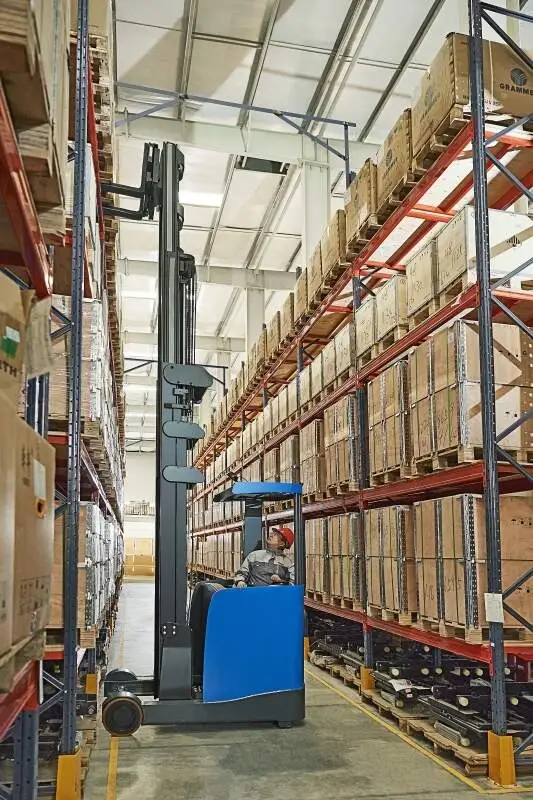
In the multi-shift operation scenario of a manufacturing factory, forklifts are the core equipment for material handling, and their operating expenses directly affect the overall cost control of the enterprise. When choosing a forklift type, many enterprises are often torn between electric forklifts and fuel forklifts. Here is a comparative analysis from multiple core dimensions to provide reference for enterprise selection.
Energy cost difference
Under multi-shift operation, the energy consumption of forklifts is an important part of operating costs. Fuel forklifts rely on diesel or gasoline, and fluctuations in oil prices will directly affect daily expenses. In the case of continuous operation, the fuel consumption of fuel forklifts per shift is relatively stable, but it will accumulate over time, especially during the period of rising oil prices, and the cost pressure will gradually become apparent. Electric forklifts rely on battery power, which makes the electricity bill more stable, and charging during the low electricity price period at night can further reduce energy consumption costs. Taking three shifts a day as an example, the average daily energy consumption cost of electric forklifts is usually much lower than that of fuel forklifts, and the gap will be more obvious in the long run.
Maintenance cost comparison
Maintenance costs are a part that cannot be ignored in the long-term operation of forklifts. The structure of fuel forklifts is relatively complex, including multiple precision components such as engines and gearboxes. Components wear out quickly under multi-shift operations. Oil, filters, spark plugs and other accessories need to be replaced regularly, and engine maintenance is required. Maintenance frequency is high and the single cost is high. The structure of electric forklifts is simpler. The main core components are batteries and motors. Daily maintenance is mainly to check the battery status and clean the circuit. There is no need to replace complex parts frequently. The maintenance cycle is longer and the single maintenance cost is lower. However, it should be noted that the battery of electric forklifts has a service life, and replacing the battery when it expires will generate a large expenditure. However, in terms of comprehensive long-term maintenance costs, it is still more advantageous than fuel forklifts.
Hidden cost comparison
In addition to the explicit energy consumption and maintenance costs, there are also some hidden costs to consider. Fuel forklifts generate exhaust emissions during operation. In a closed workshop environment, additional ventilation equipment needs to be invested to ensure the safety of the working environment, which is easy to ignore. At the same time, the noise of fuel forklifts is large, which may affect the working environment of the workshop, and even need to take noise reduction measures. Electric forklifts have zero exhaust emissions and extremely low noise. There is no need to invest in additional ventilation and noise reduction equipment, which can reduce this part of hidden expenses. In addition, the operation of electric forklifts is easier, the novice is quick to get started, and the training cost is relatively low in the case of multi-shift operator rotation.
Overall, in the multi-shift operation scenario of the factory, the long-term operating expenses of electric forklifts are generally lower than those of fuel forklifts. However, when selecting a model, enterprises also need to consider the actual situation such as their own operating environment and charging conditions. For example, if the workshop charging facilities are not perfect, or long-distance continuous operation is required, fuel forklifts may be more suitable. But from the long-term perspective of cost control, electric forklifts are a more worthy choice.


