
 简体中文
简体中文 繁体中文
繁体中文 Deutsch
 日本語
日本語 한국어
한국어 Tiếng Việt
 Русский
 ไทย
ไทย Bahasa Indonesia
 Bahasa Melayu
 Filipino
 لالعربية
 Français

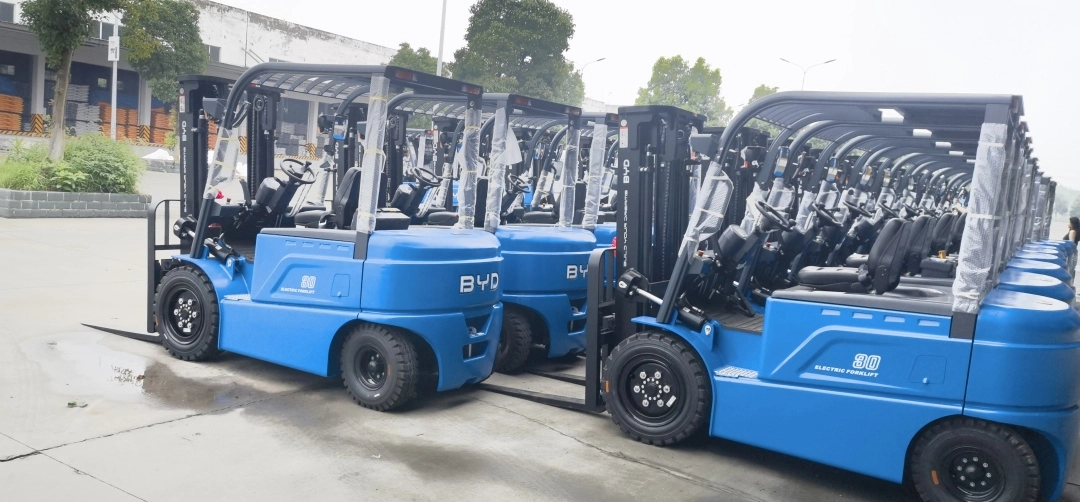
In cold chain storage, low temperature logistics and other scenarios, lithium battery storage forklift is the core operating equipment, but the low temperature environment will significantly change its energy consumption performance, affecting operating costs and operating efficiency. In-depth understanding of this change law is crucial for warehousing enterprises to optimize Facility Management.
Core Factors Affecting Energy Consumption of Lithium Battery Storage Forklift in Low Temperature Environment
Declining battery activity triggers a surge in energy consumption
The core reaction of a lithium battery depends on the activity of the electrode material and the electrolyte. When the ambient temperature drops below 0 ° C, the viscosity of the electrolyte increases, the ion transfer speed slows down, and the discharge capacity of the battery decreases significantly. In order to maintain the normal operating power of the forklift, the battery needs to output a higher current, which directly leads to a significant increase in energy consumption per unit of operation. At the same time, the available capacity of the battery will shrink at low temperatures, and the actual cruising range will be shortened, which indirectly increases the energy consumption cost.
Declining powertrain efficiency increases energy consumption
Low temperatures not only affect the battery, but also affect the power transmission system of the forklift. The viscosity of hydraulic oil increases at low temperatures, and the running resistance of the hydraulic pump and pipeline increases. Forklift trucks need to consume more energy when lifting and handling goods. In addition, the winding resistance of the motor rises at low temperatures, and the efficiency of converting electrical energy into mechanical energy decreases, further raising the overall energy consumption level.
Variation law of energy consumption in different low temperature intervals
According to the actual monitoring data, when the ambient temperature is between 0 ° C and 10 ° C, the energy consumption of the lithium battery storage forklift will increase by 15% to 25% compared with the normal temperature environment (20 ° C to 25 ° C). At this time, the battery activity decreases slightly, the resistance of the power system is not obvious, and the increase in energy consumption is within a controllable range. When the temperature drops to -10 ° C to 0 ° C, the energy consumption will rise to 30% to 45% of the normal temperature, the available capacity of the battery will shrink by about 20% to 30%, and the operating resistance of the hydraulic system will increase significantly. If the temperature is lower than -10 ° C, the energy consumption will even exceed 50% of the normal temperature, the battery discharge efficiency will be sharply reduced, and the forklift operation power will be difficult to maintain stably,
Practical Measures to Reduce Energy Consumption of Lithium Battery Storage Forklift in Low Temperature Environment
Optimize battery preheating and insulation management
Preheating the lithium battery in advance can effectively improve the activity of the electrolyte and reduce the energy consumption during discharge. At the same time, equip the battery with a thermal insulation cover or set up a constant temperature battery storage area in the operation area to reduce the energy loss of the battery in a low temperature environment. Move the battery to a warm area in time during operation to maintain the active state of the battery and avoid continuous increase in energy consumption.
Adjust the operation mode and maintenance cycle
In a low temperature environment, appropriately reducing the working speed and lifting height of the forklift can reduce the load on the power system and reduce energy consumption. In addition, shortening the replacement cycle of hydraulic oil and selecting low-temperature compatible hydraulic oil can reduce the running resistance of the hydraulic system. Regularly check the lubrication status of the motor and transmission parts to ensure that the power transmission efficiency is at the best level, and also effectively control energy consumption.
By deeply understanding the influence mechanism of low temperature environment on the energy consumption of lithium battery storage forklifts, grasping the energy consumption change law in different intervals, and taking targeted optimization measures, warehousing enterprises can effectively reduce the operating costs of forklifts in low temperature scenarios and improve the operating efficiency and reliability of equipment.


