
 简体中文
简体中文 繁体中文
繁体中文 Deutsch
 日本語
日本語 한국어
한국어 Tiếng Việt
 Русский
 ไทย
ไทย Bahasa Indonesia
 Bahasa Melayu
 Filipino
 لالعربية
 Français

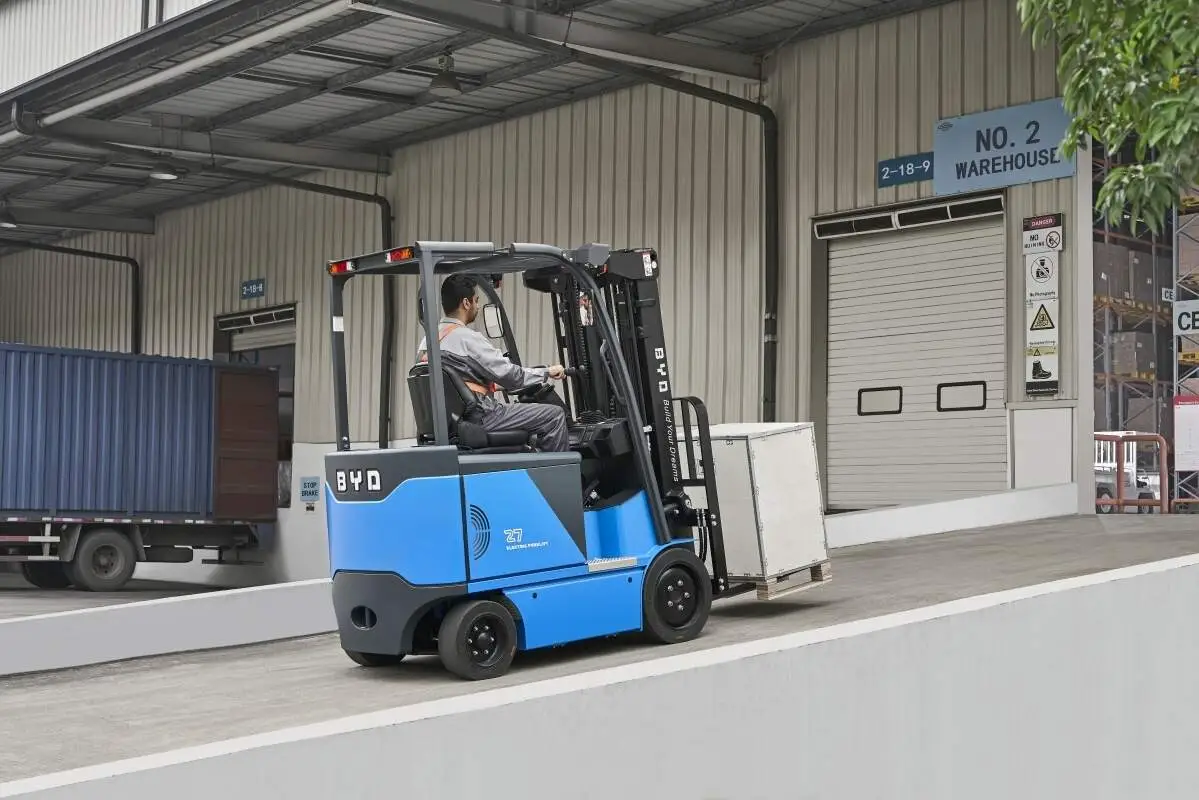
With the intelligent upgrading of the warehousing and logistics industry, lithium-ion storage forklifts have gradually become an important choice for enterprises due to their environmentally friendly and efficient characteristics, but many enterprises are concerned about when their investment costs can be smoothly recovered.
Core components of input cost of lithium battery storage forklift
Basic cost of equipment acquisition
The purchase cost of a lithium battery storage forklift mainly covers the price of the equipment itself. Compared with traditional fuel forklifts, its battery components account for a larger proportion, and the overall purchase cost will be higher. However, the cost of forklifts of different specifications varies significantly, and it is necessary to choose the appropriate model according to the storage needs of enterprises.
Initial supporting auxiliary cost
In addition to the equipment itself, the initial investment also includes the cost of building supporting facilities such as charging piles and battery storage cabinets. Some companies may need to make minor renovations to the power supply system of the storage site, which needs to be taken into account as a whole.
Key factors affecting the return cycle
Daily operating hours and load strength
The daily operation time of an enterprise directly affects the frequency of use of equipment. If the daily operation time of warehousing operations is longer, the energy-saving advantages of forklifts can be realized faster, and the return cycle will be shortened accordingly. At the same time, load strength and cargo handling frequency also affect energy consumption and equipment loss, and efficient operation rhythm can accelerate cost recovery.
Differences in energy consumption and maintenance costs
The charging cost of a lithium battery storage forklift is much lower than the fuel cost of a fuel forklift, and the lifespan of a lithium battery is longer. Daily maintenance only requires regular inspection of the battery status and cleaning of equipment. The maintenance cost is much lower than that of a fuel forklift that requires frequent replacement of oil and filter elements. This cost difference is one of the core factors that determine the return cycle.
Warehouse operation management efficiency
Reasonable scheduling management can improve the efficiency of forklift use, reduce no-load running time, and further reduce energy consumption costs. Scientific equipment scheduling and maintenance plans can also prolong the service life of equipment, avoid unnecessary maintenance expenses, and indirectly shorten the return cycle.
Calculation of payback period in conventional scenarios
In a conventional small and medium-sized warehousing operation scenario, if the daily operation time is about 8 hours, the average monthly energy consumption and maintenance cost of lithium-ion storage forklifts can be saved by thousands of yuan compared with fuel forklifts. Combined with the difference in purchase costs, most enterprises can achieve a smooth return on capital within 2 to 3 years. If the operation scenario is high-load and long-term operation, the return on capital cycle can be further shortened to about 1.5 to 2 years.
Practical strategies for shortening the payback cycle
Enterprises can optimize the storage layout, reduce the distance of goods handling, and improve the efficiency of forklift operations; rationally arrange work shifts to maximize the energy-saving advantages of equipment; at the same time, pay attention to local subsidy policies for energy-saving equipment, reduce initial investment costs, and further accelerate the recovery speed.


